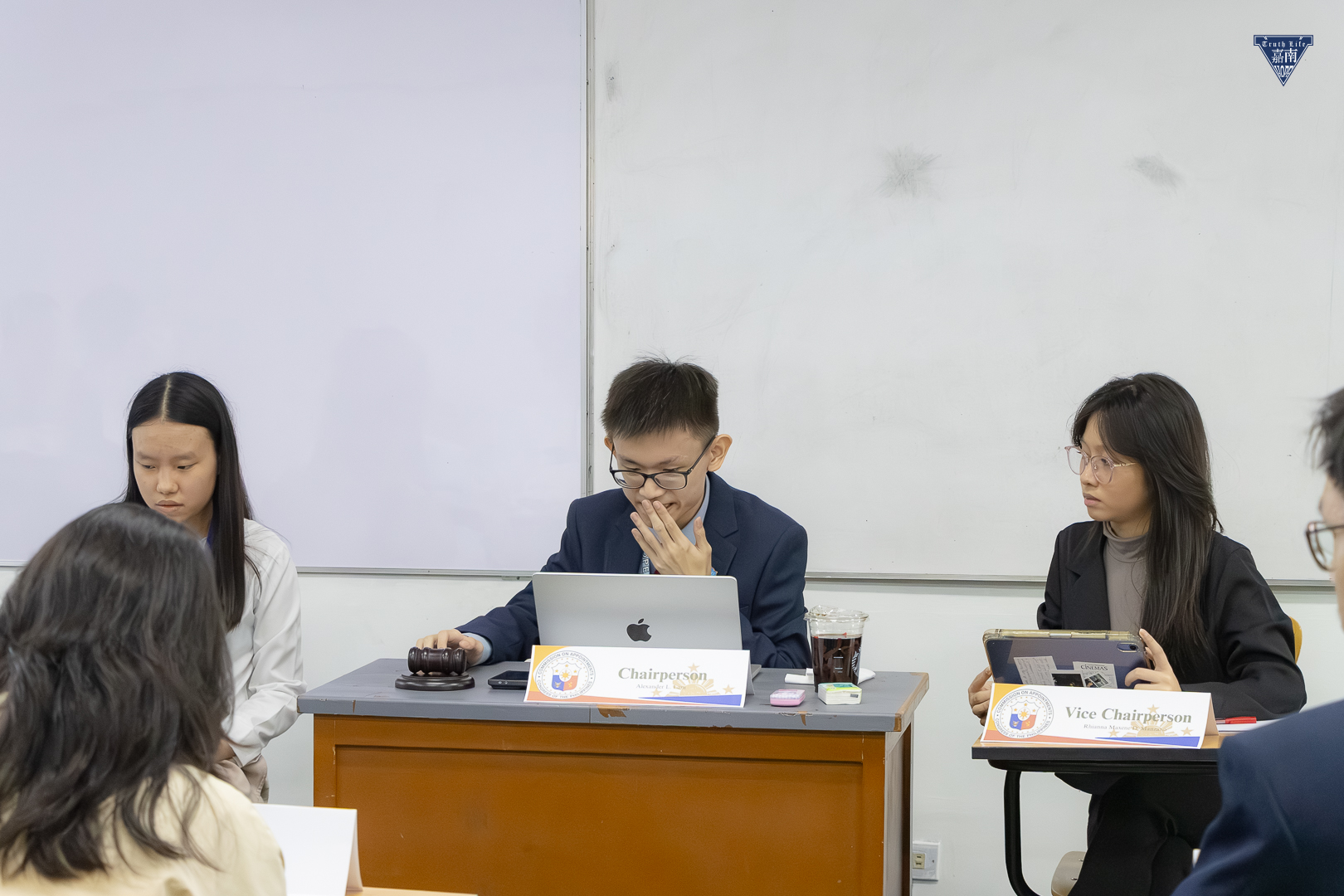
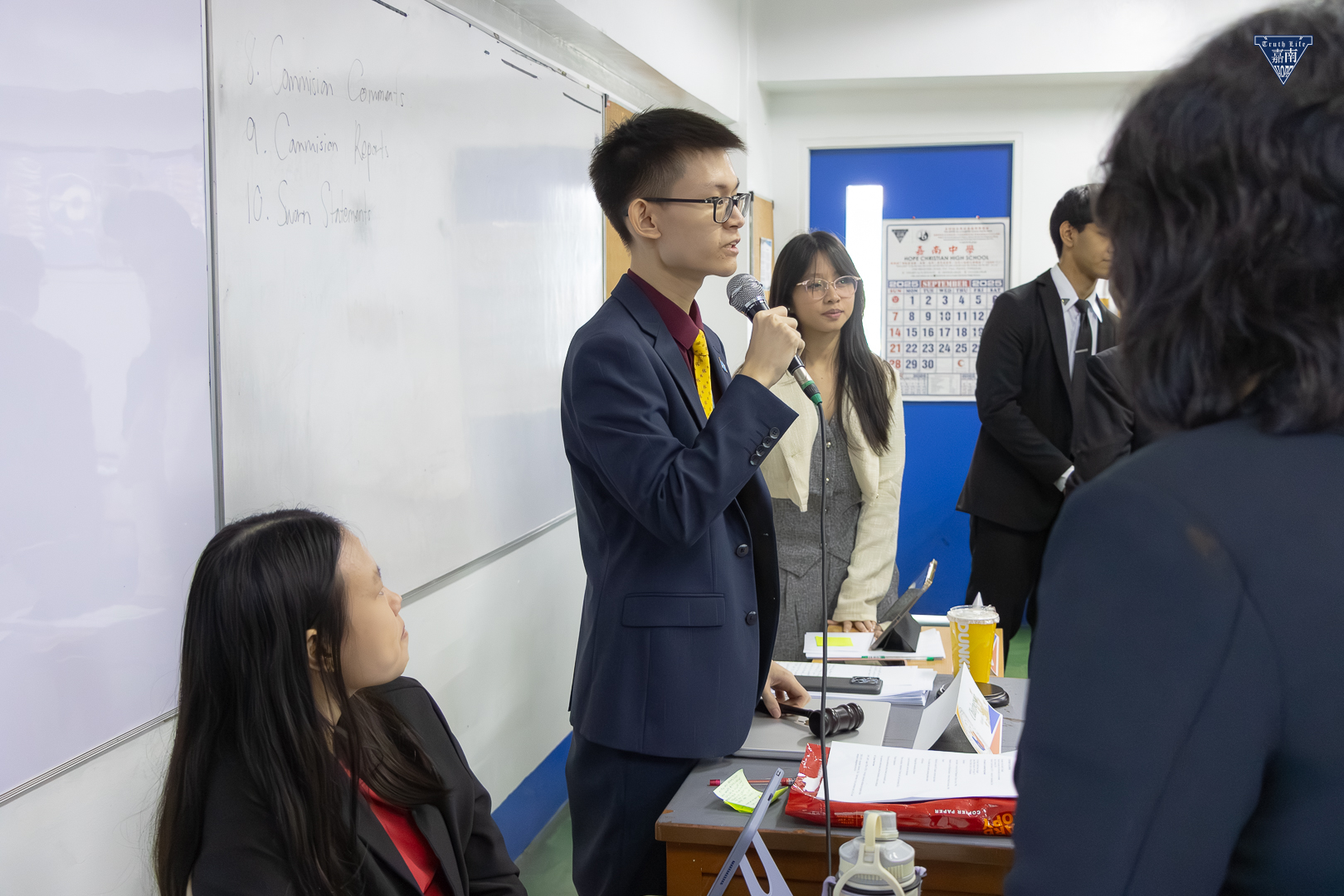
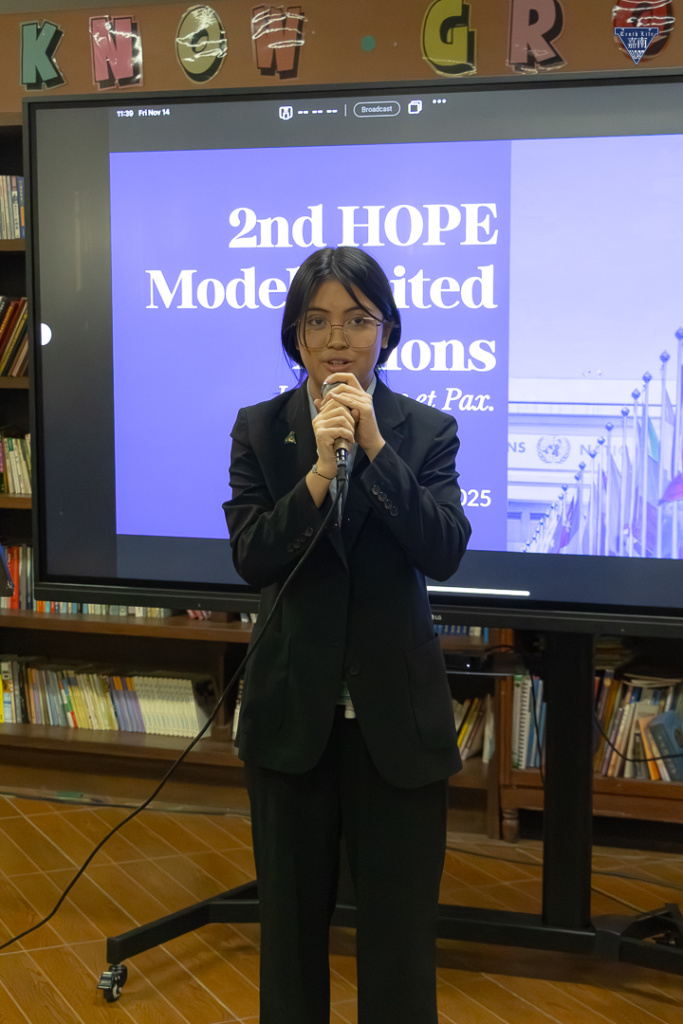
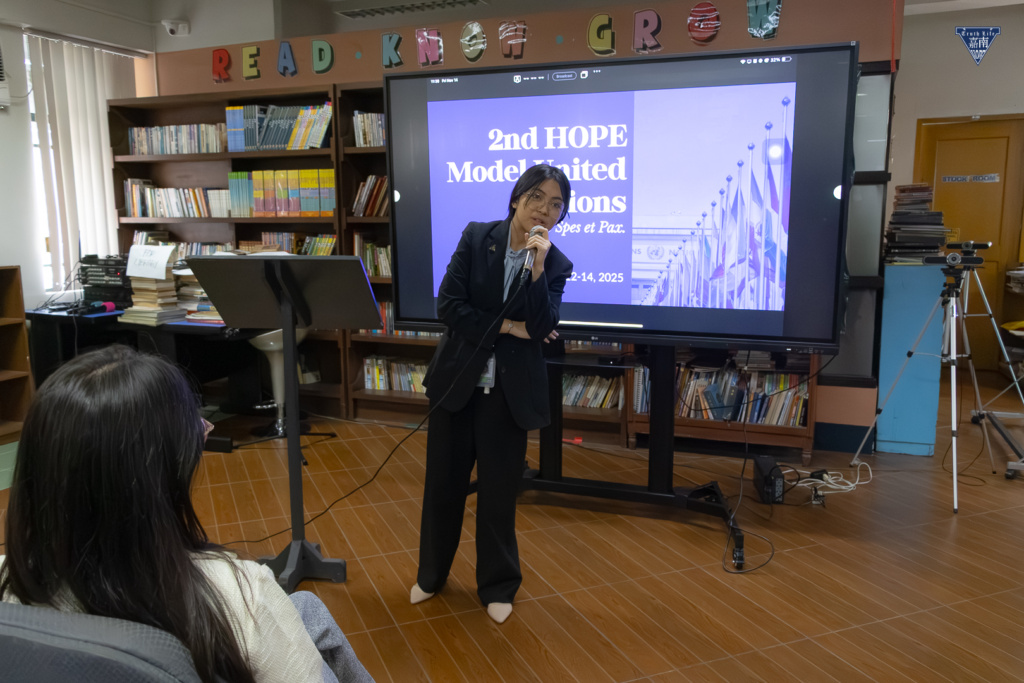
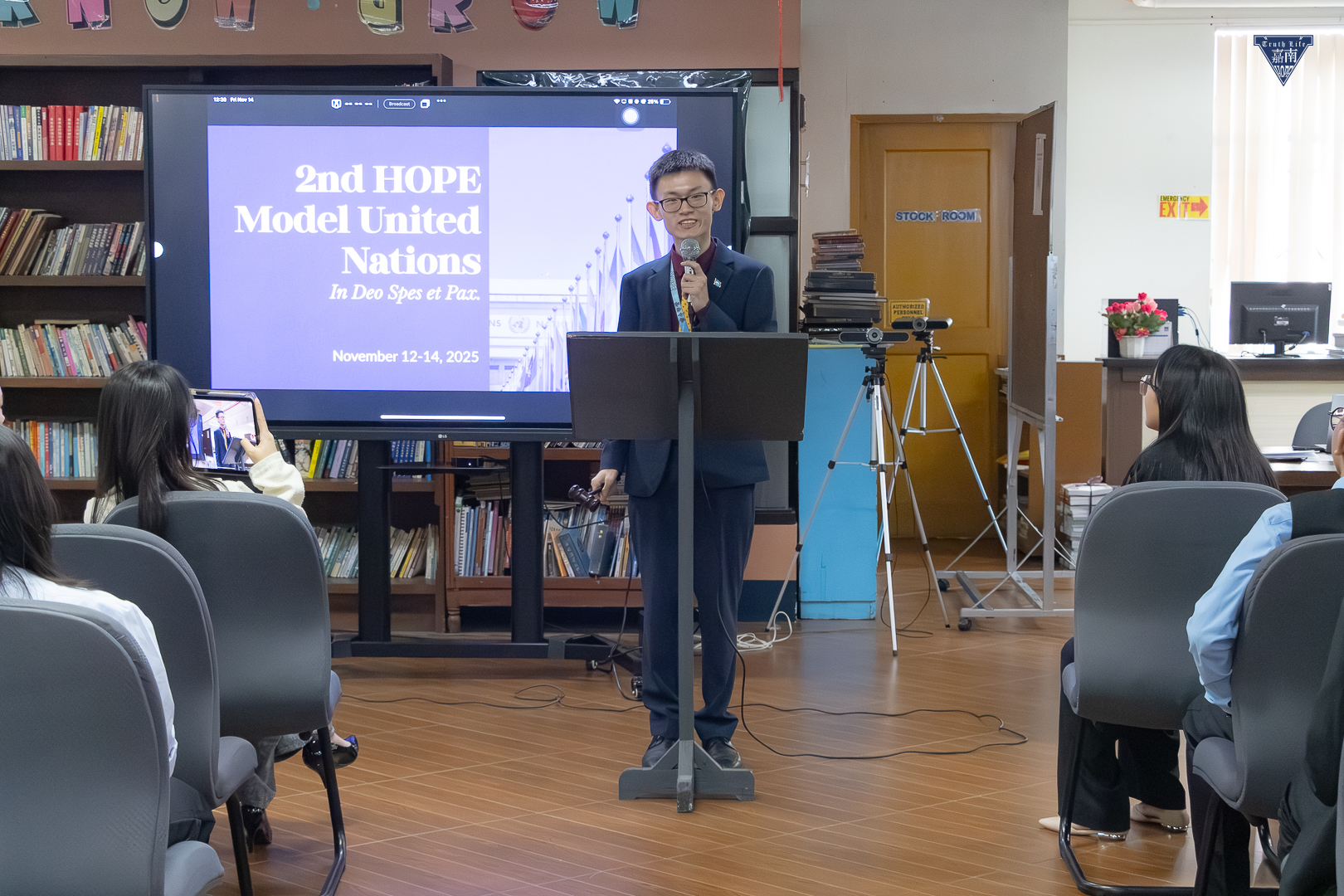
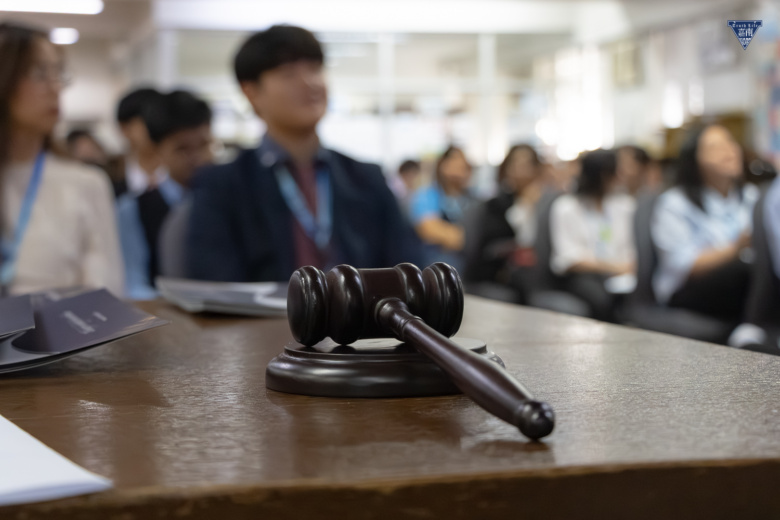
The first strike of the gavel signified the commencement of the three-day conference, where select HCHS students transformed into dignified representatives and delegates for the Hope Model United Nations (MUN).
The celebration of the United Nations did not end on UN Day. It even advanced to the next level. Wearing colorful national attire turned into wearing formal dresses, blazers, suits, and ties. Vibrant exhibits of diverse culture and traditions transformed into serious and important debates on the realities that challenge the unity of the nations we yearly celebrate. For the second Hope MUN, our students assumed the roles of diplomats who collectively deliberate to maintain that unity.
Setting the Agenda: Hope MUN Day 1
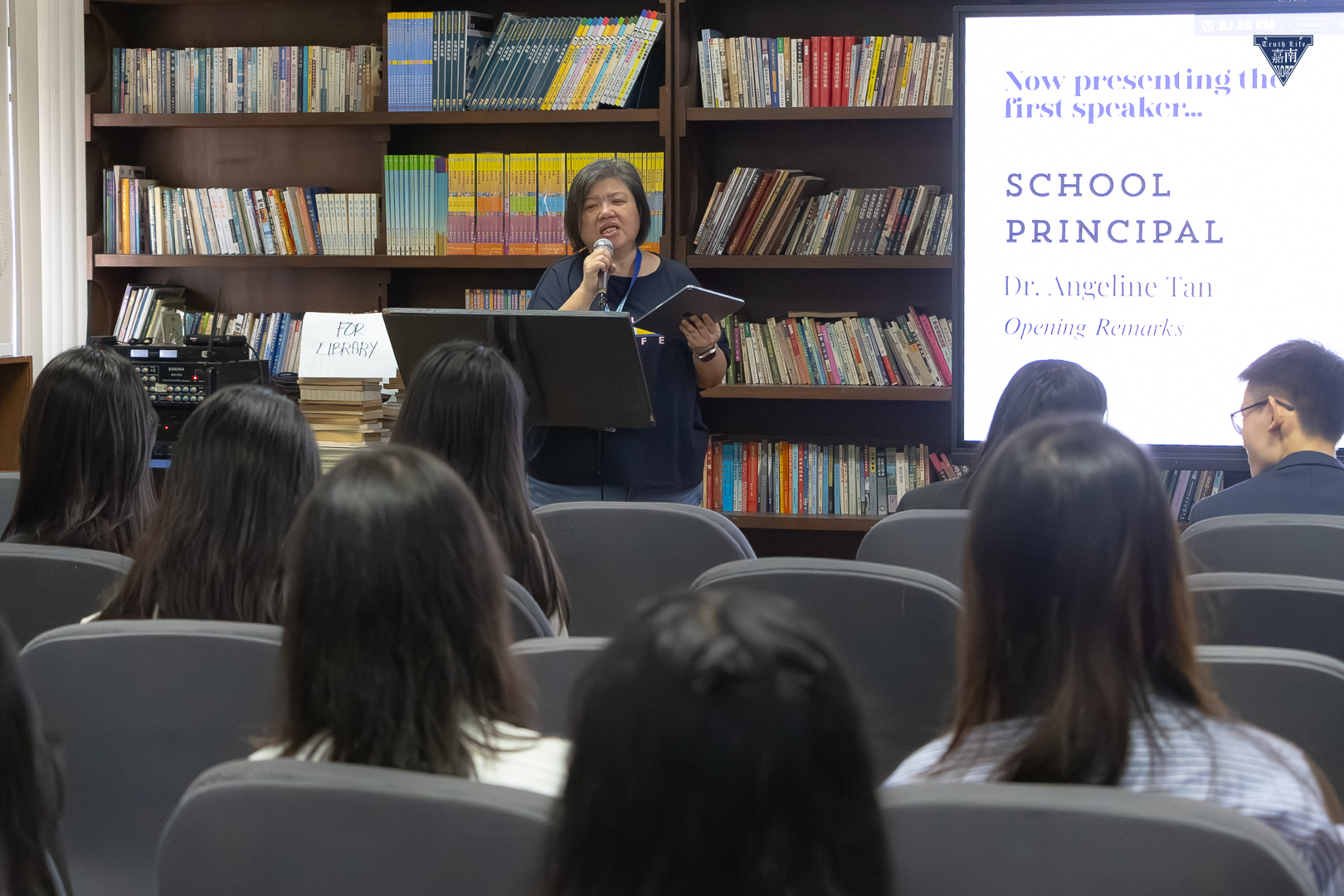
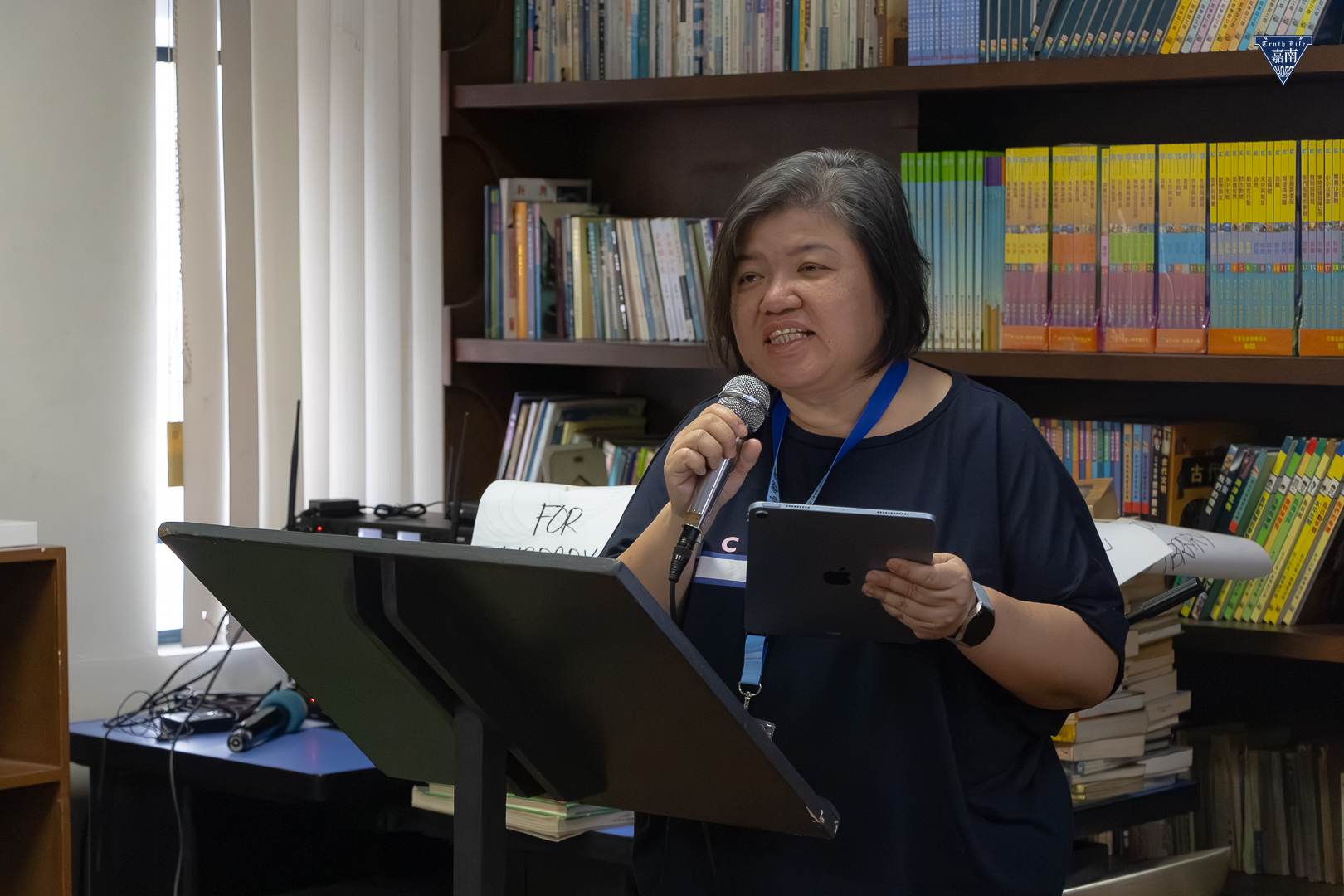
Framing the course of the conference, School Principal Dr. Angeline Tan delivered an empowering opening message, addressing the delegates as “Ambassadors of Hope”. She challenged them to become instruments of peace and justice, and reminded them that giving people a safe space to speak, valuing their dreams and talents, and cultivating resilience are important in leadership. Dr. Tan also encouraged the students that they matter as global citizens, and by exemplifying equity and equality with their peers, they can give voice to other people.
“If you think you matter as a citizen of global society, you matter a lot. Who you are is a tool that will lift [people] up from the lower indexes to the higher indexes.”
Dr. Angeline Tan, HCHS Principal
School Principal’s opening message
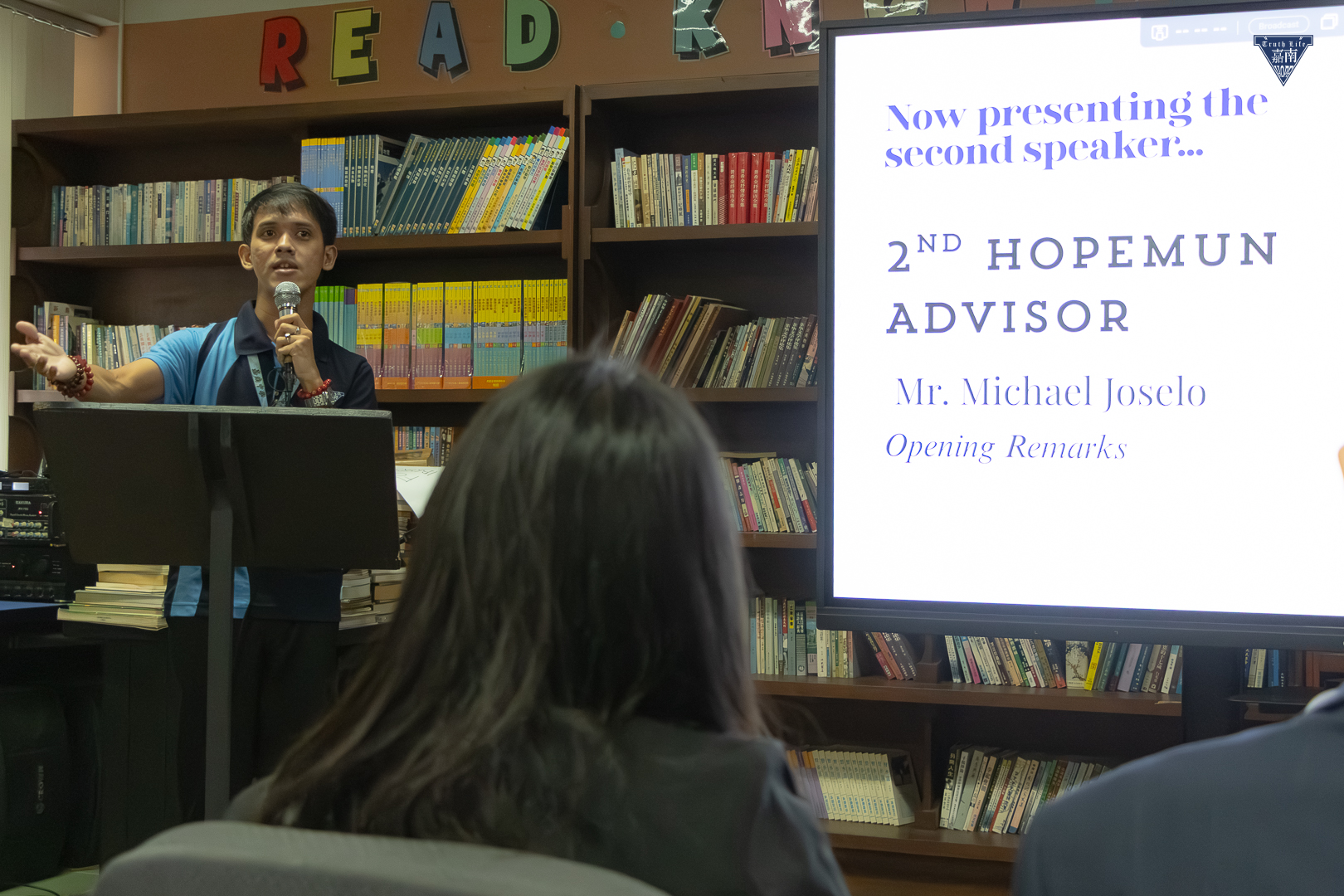
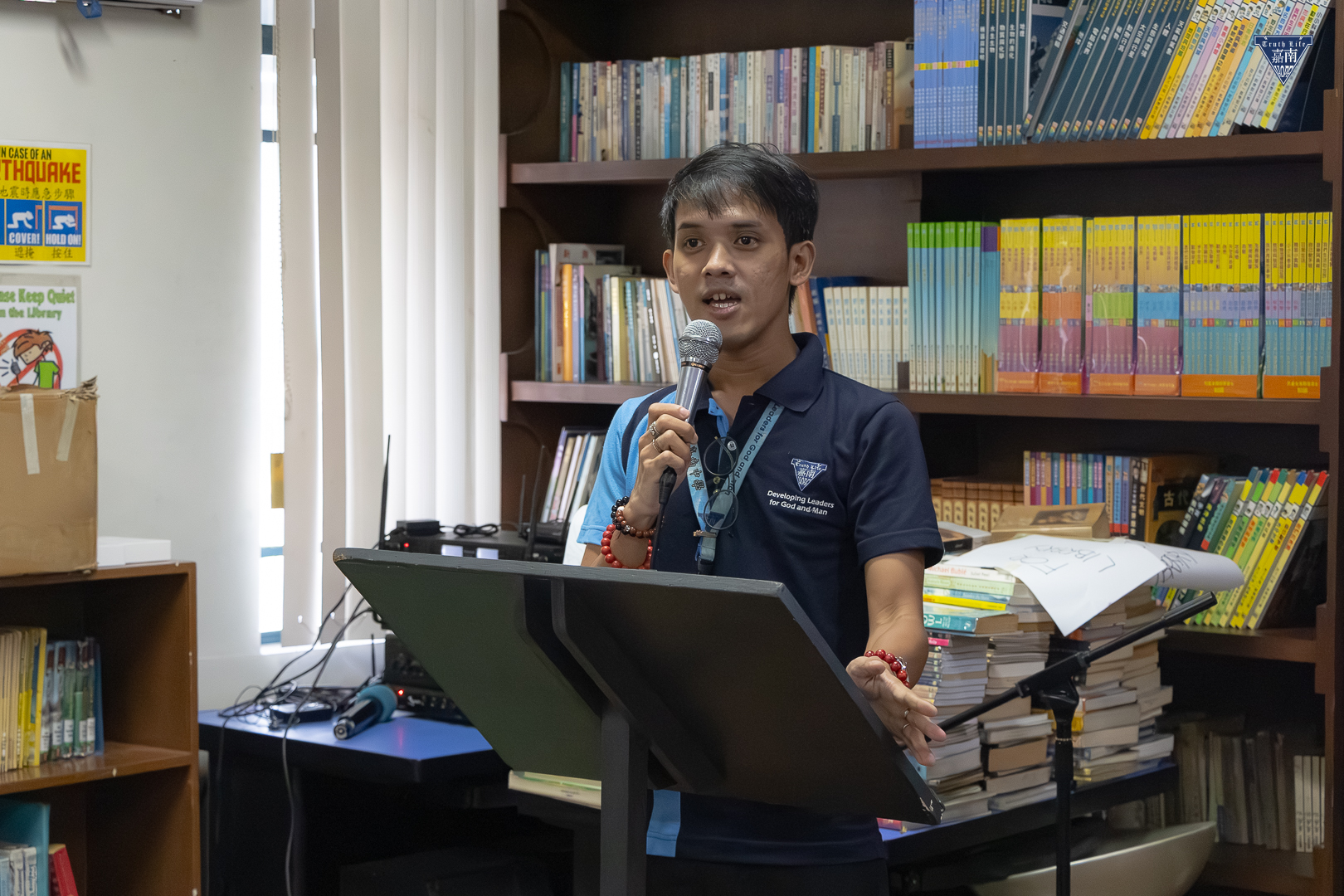
One of the MUN advisors, Mr. Michael Villanueva, also urged the delegates to remember the reason they sit in committee rooms. As a former congressional staff member and upon witnessing the process of enacting policies, he shared that resolutions proposed should not just be guided by reason but also by empathy. He noted that conferences like MUN provide a forum to understand democracy, to promote global collaboration, and to advocate for peace and human rights.
Hope MUN Advisor’s special message
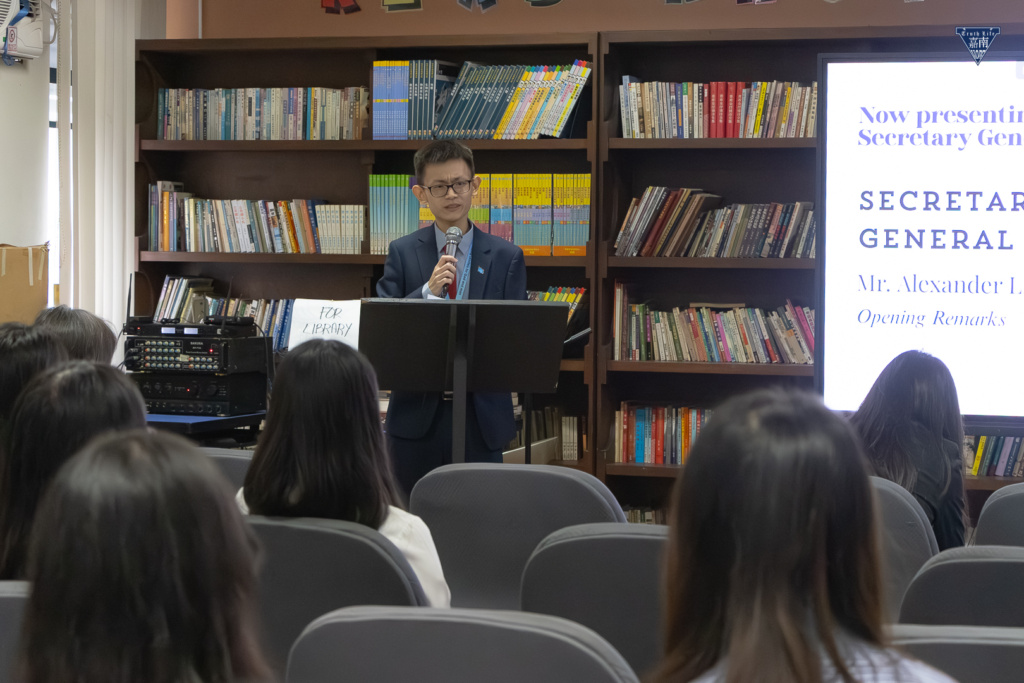
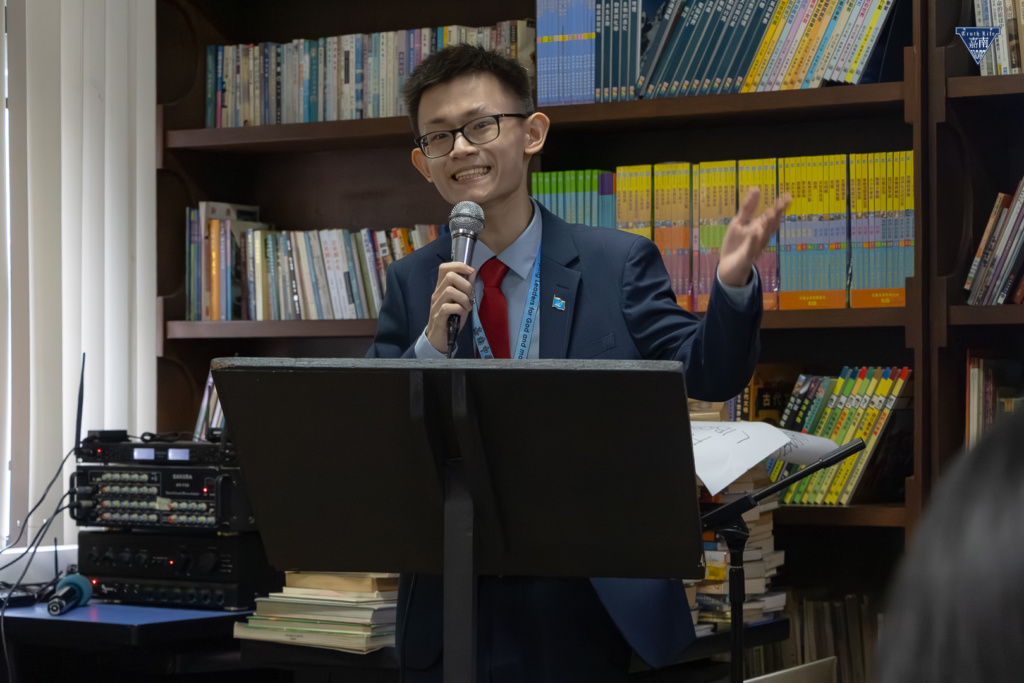
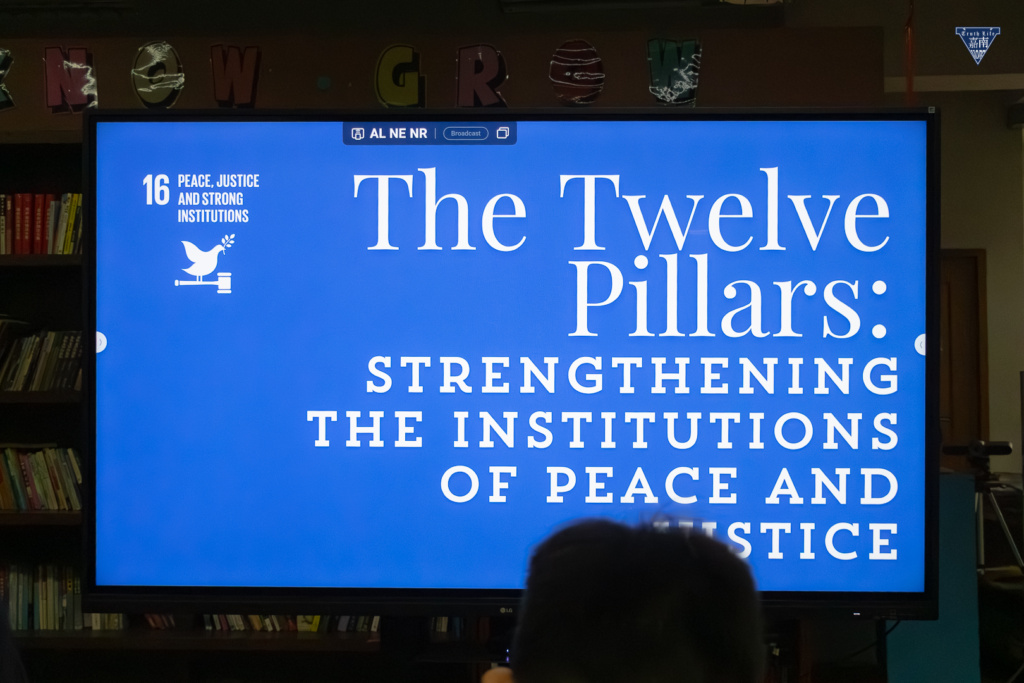
In another welcome address, Hope MUN Secretary-General Alexander Lam spoke about the heart of diplomacy. Recounting on his MUN journey, he emphasized that diplomacy is not about agreement. It is about understanding. Secretary-General Lam also revealed the theme of this year’s MUN, “The Twelve Pillars: Strengthening the Institutions of Peace and Justice”. He encouraged the delegates to embody truth, courage, curiosity, and compassion, and remarked that debates and dialogues contribute to building a more peaceful and just world.
Hope MUN Secretary-General’s special message
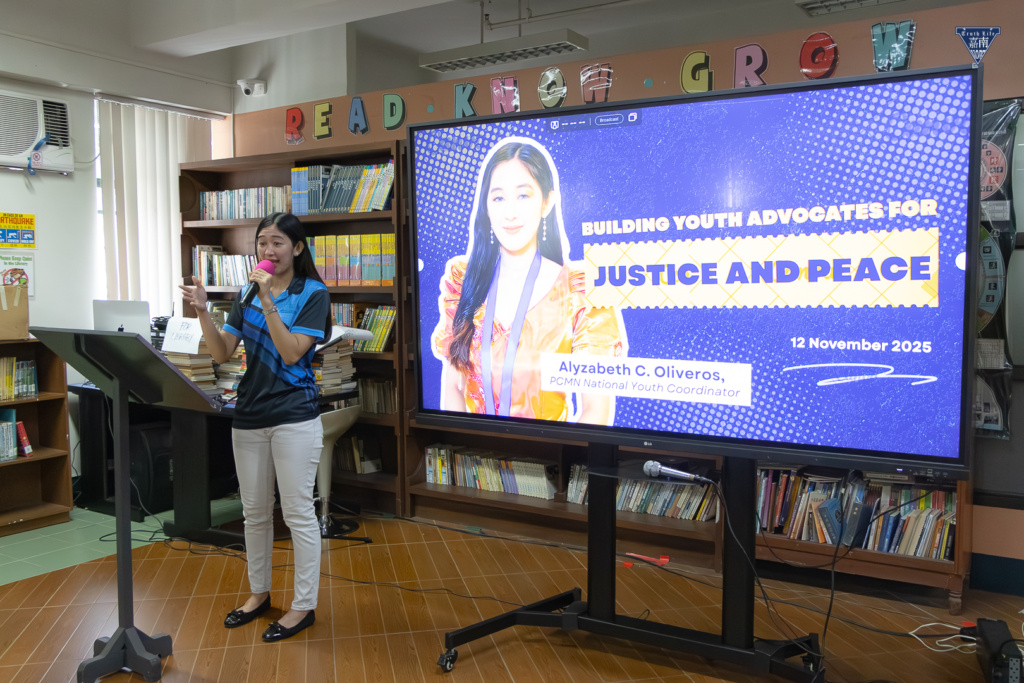
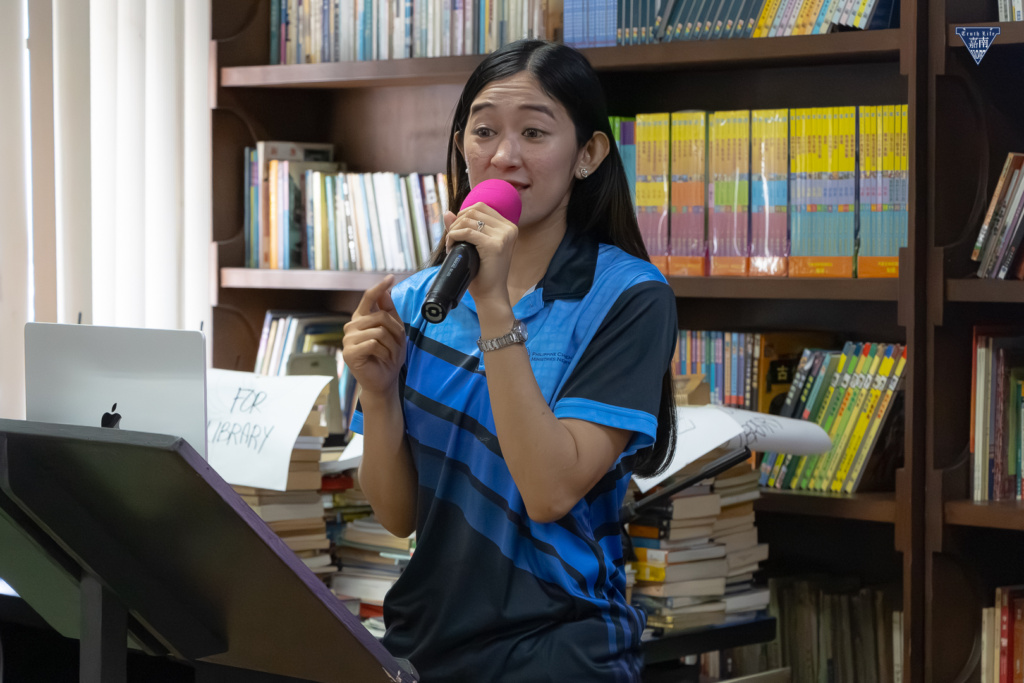
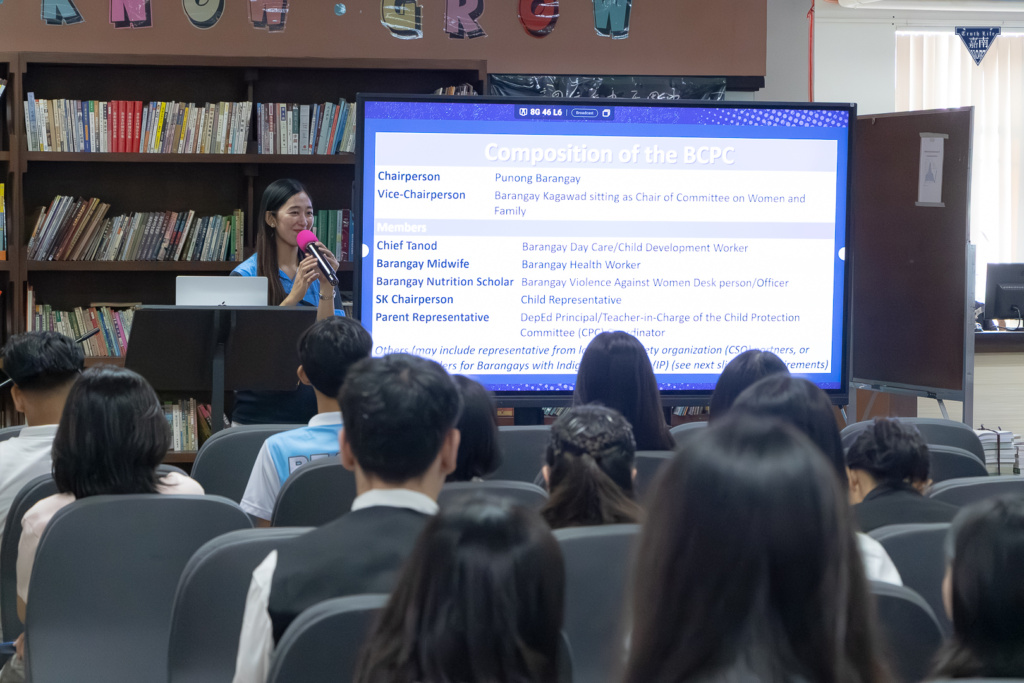
Equipping the delegates with groundwork knowledge, National Youth Coordinator Alyzabeth Oliveros of the Philippine Children Ministry Network (PCMN) discussed the relevance of SDG 16 (Peace, Justice and Strong Institutions) and presented global data on peace conditions. She also emphasized the role of non-governmental organizations in advocating for the welfare of the marginalized sectors, like children. Ms. Oliveros also stressed the importance of joining organizations and movements that uphold justice and uplift the voices of the marginalized.
A resource discussion on SDG 16
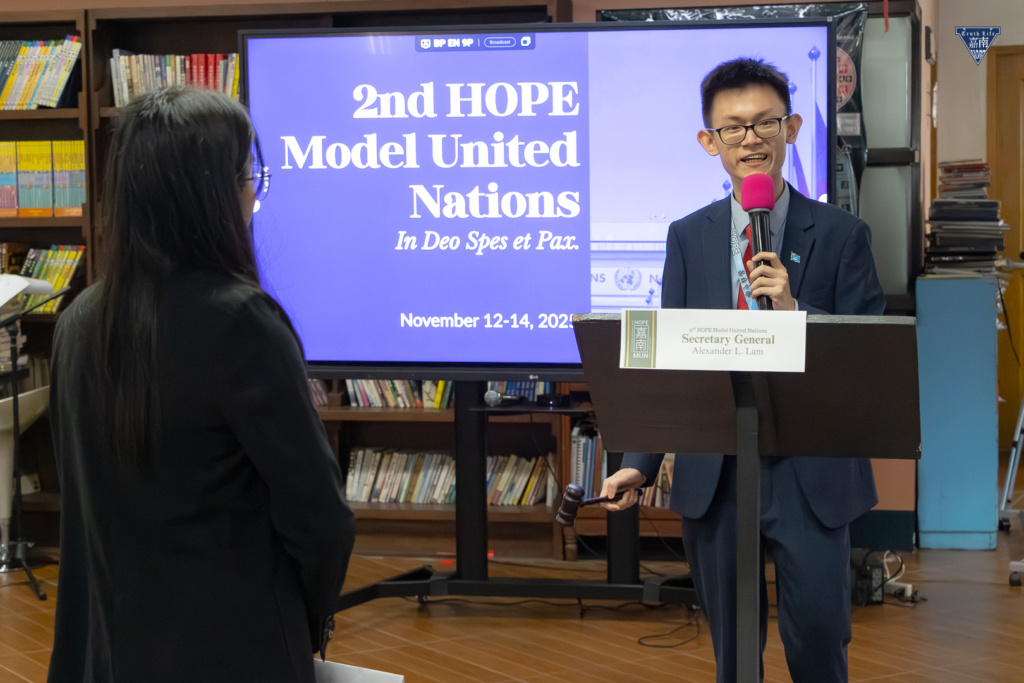
The end of the MUN opening ceremony marks the beginning of intense committee proceedings. As the Secretary-General officially called the session to order, the delegates prepared for work in their designated committees.
Secretary-General Alexander Lam officially opening the 2nd Hope MUN
Conducting Diplomacy in Action: Hope MUN Day 2
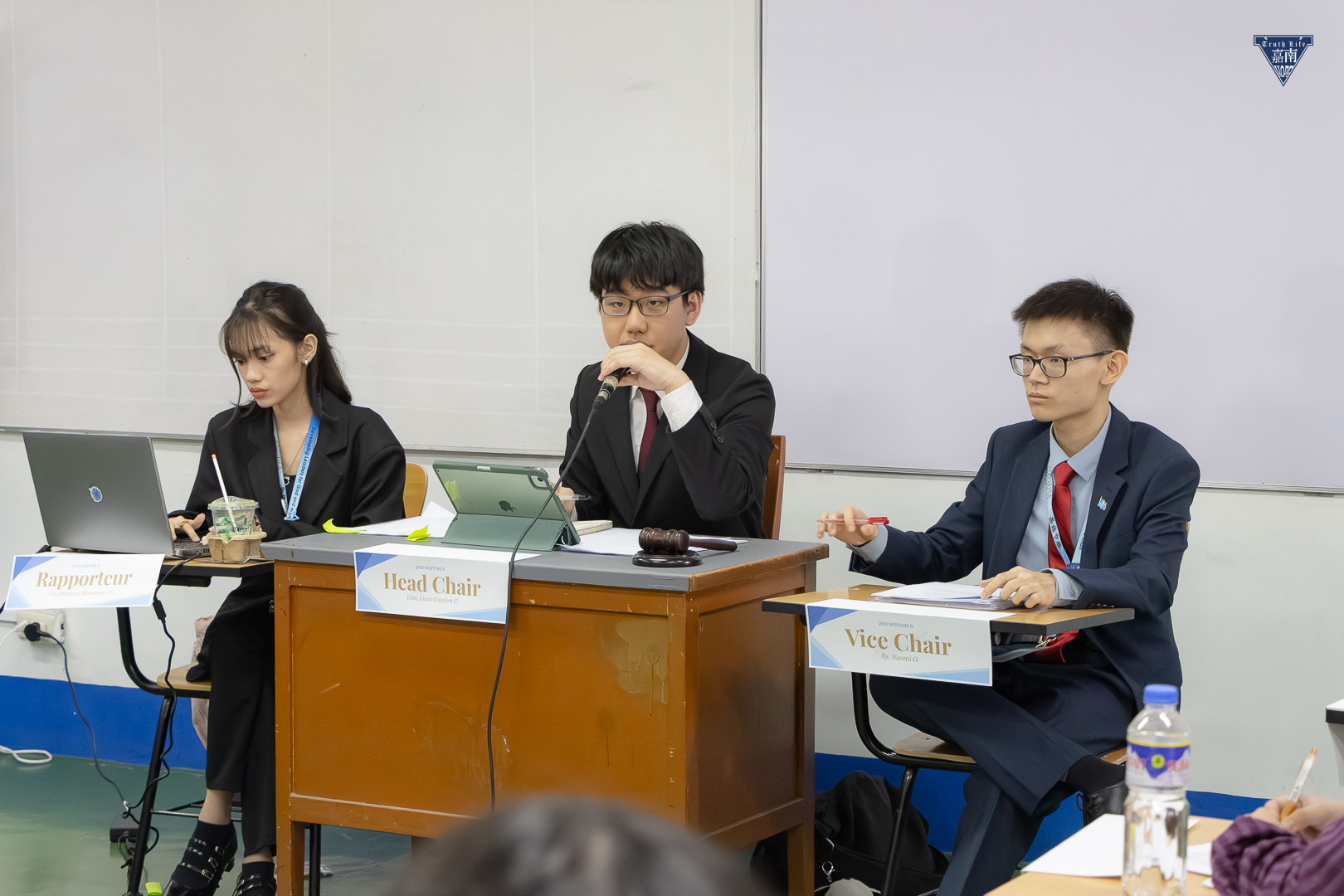
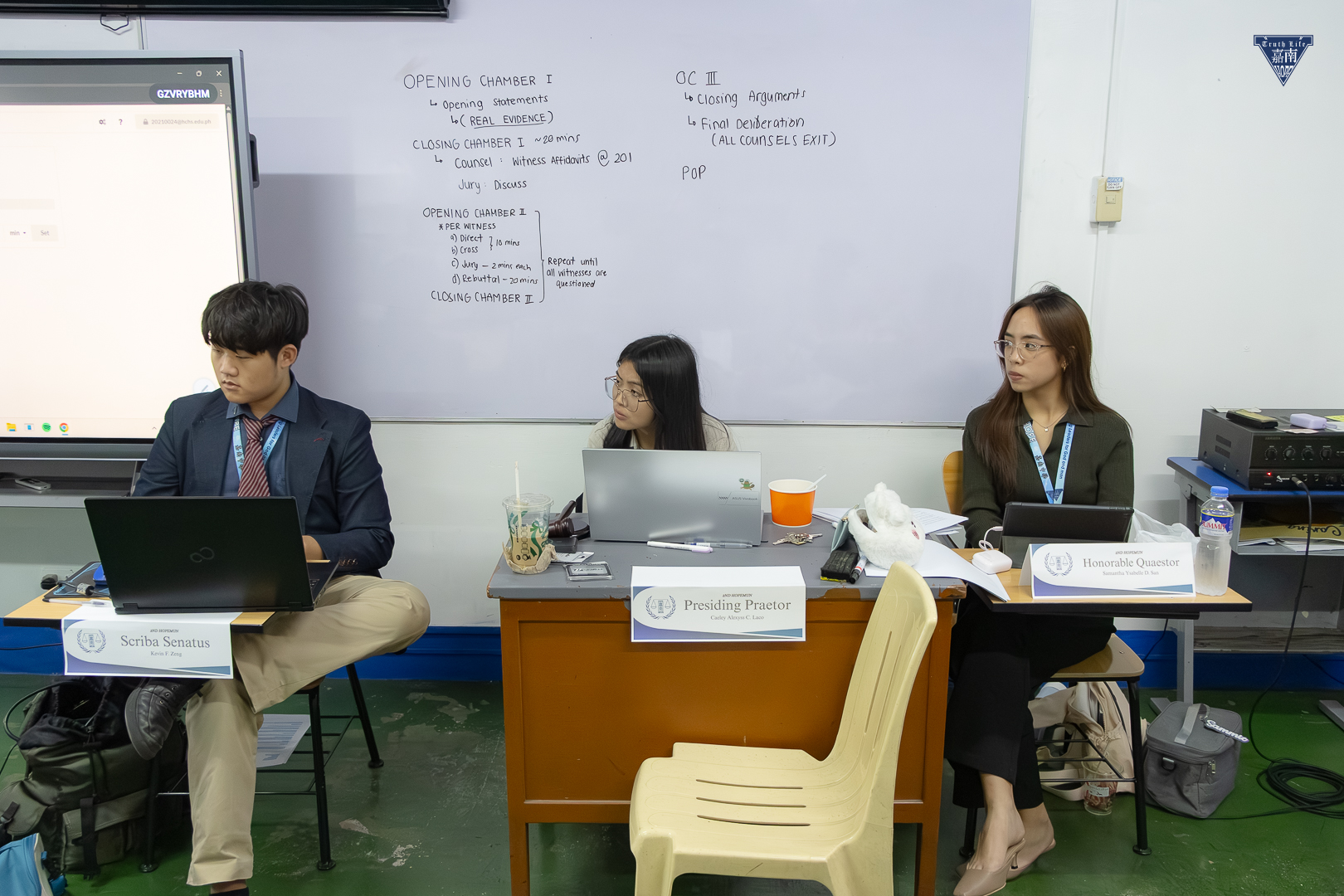
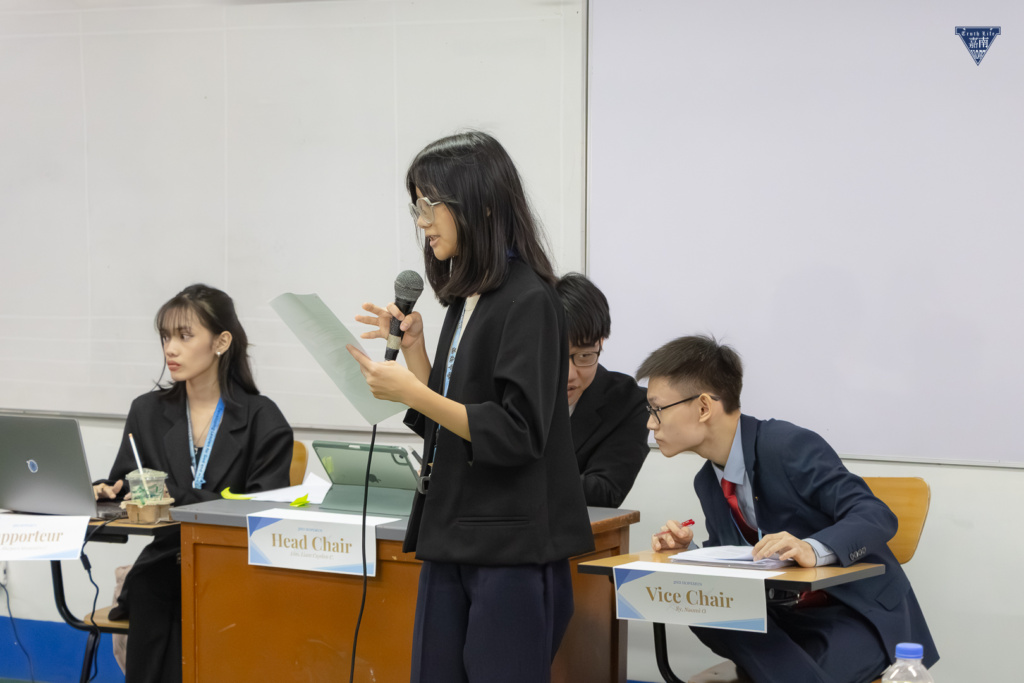
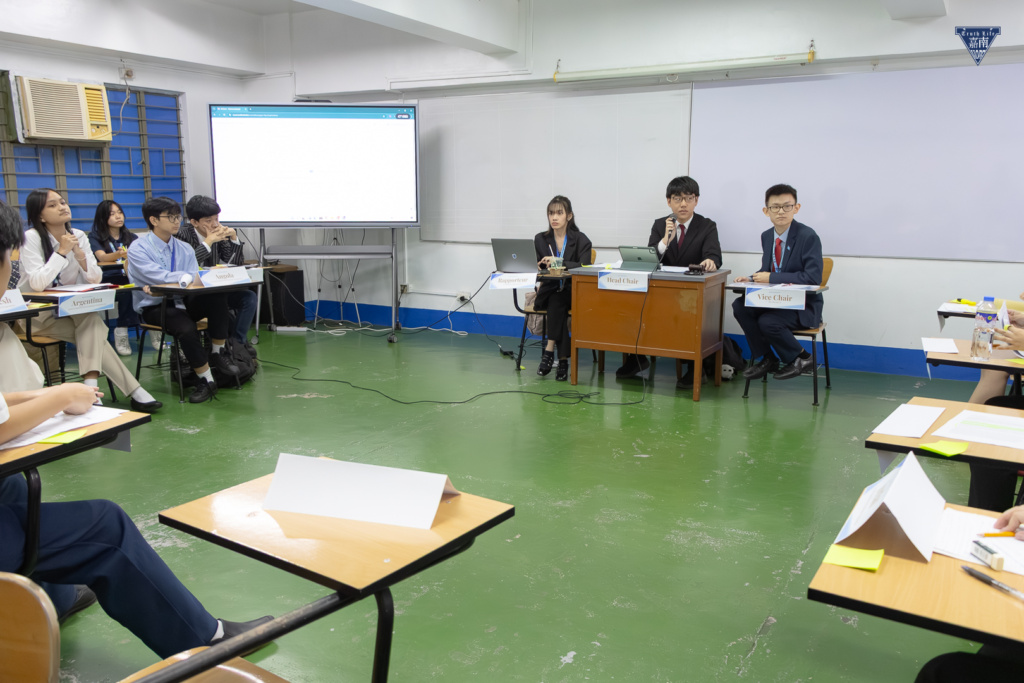
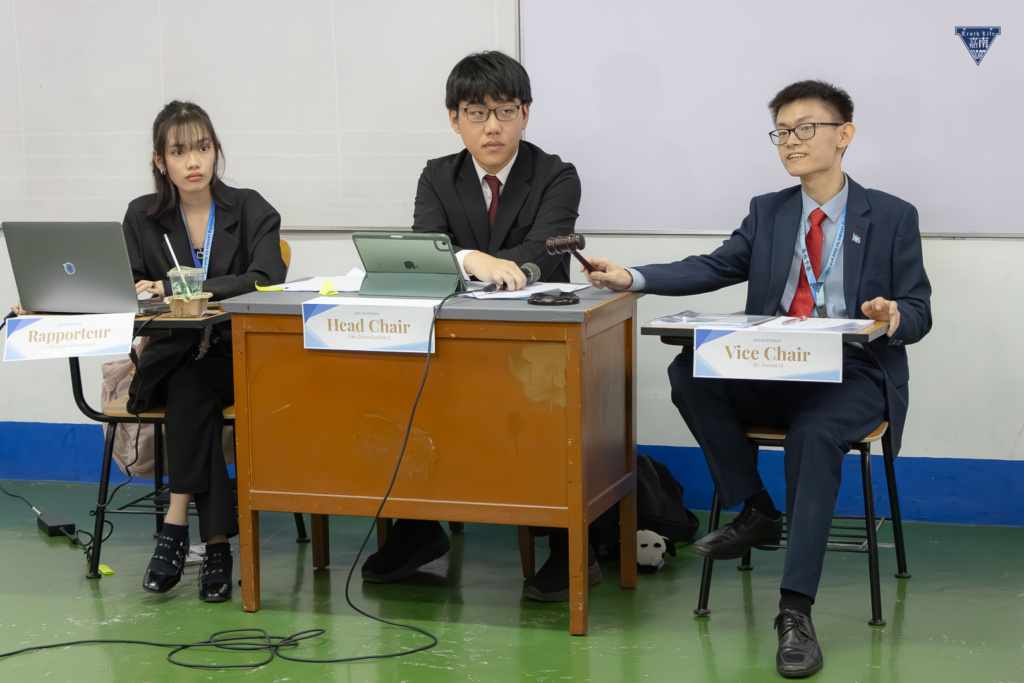
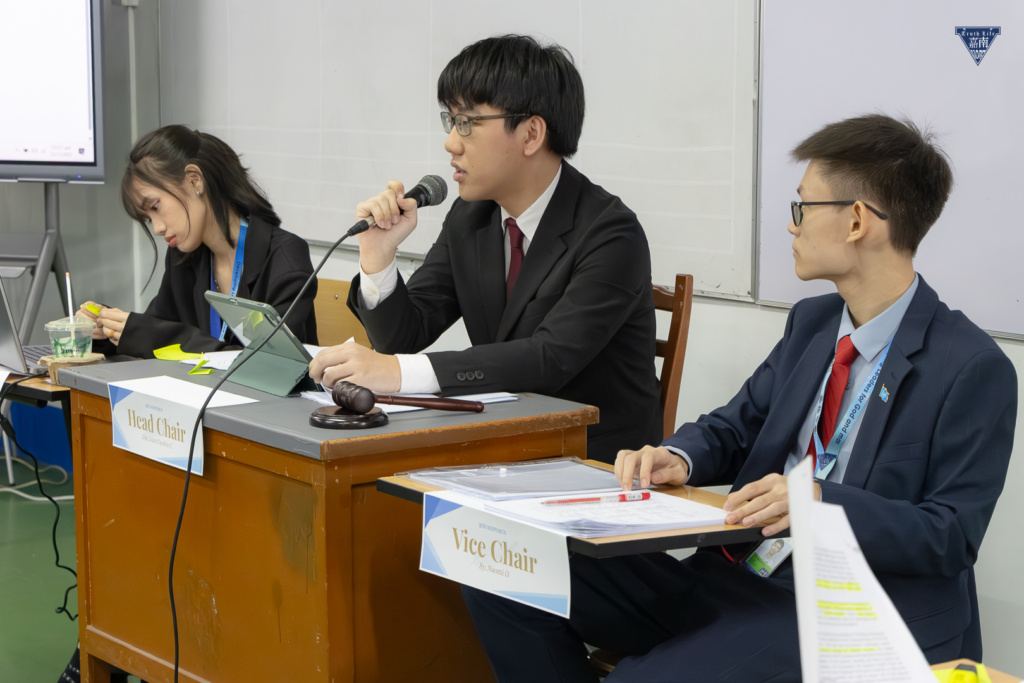
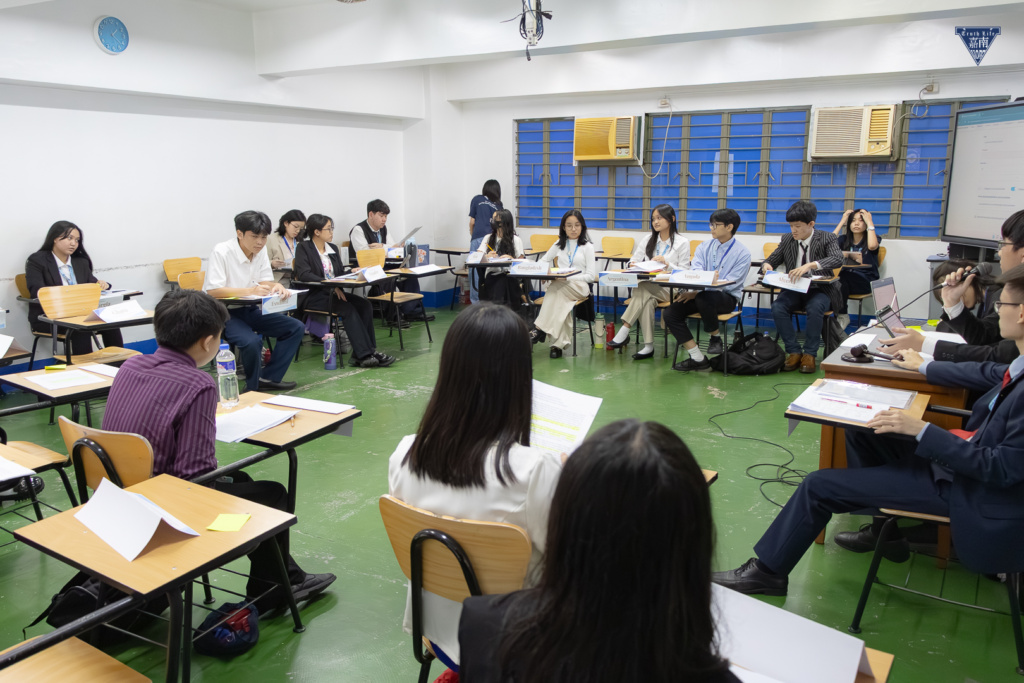
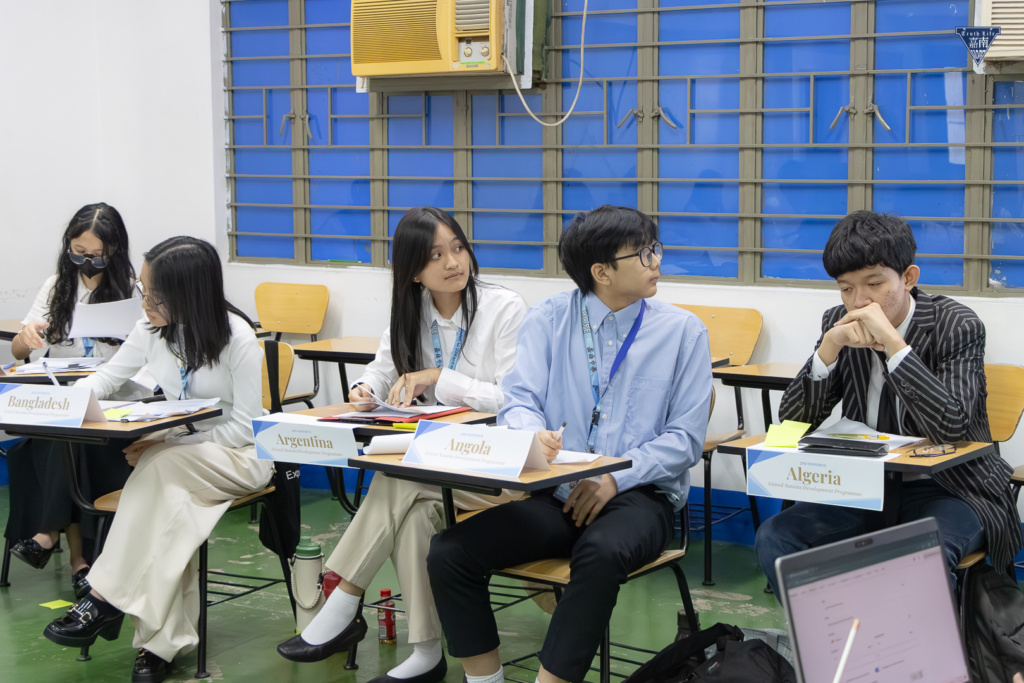
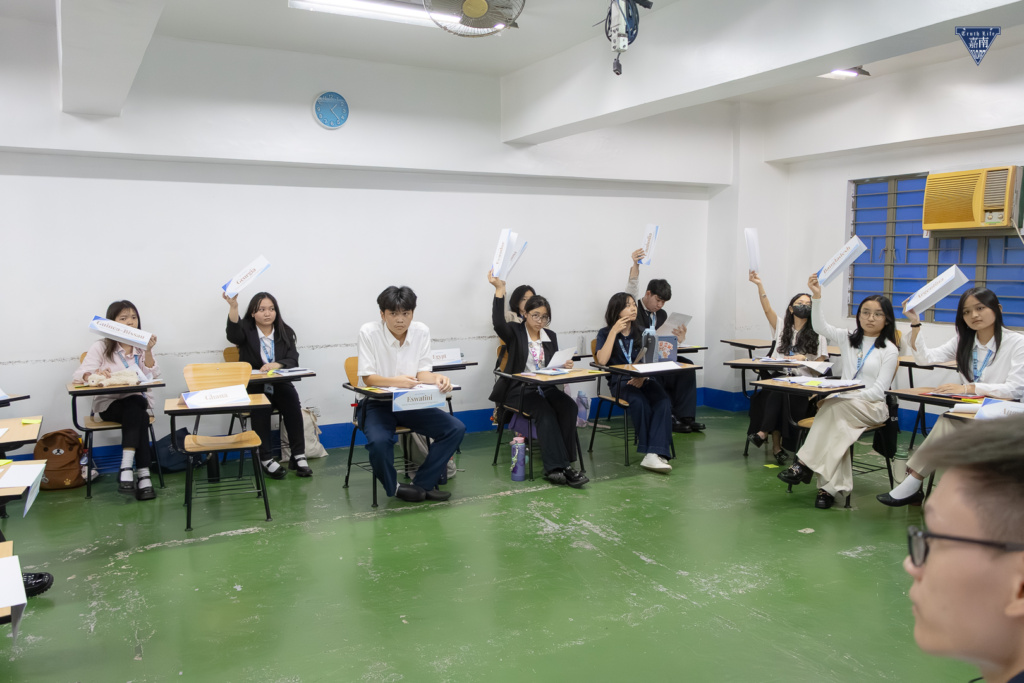
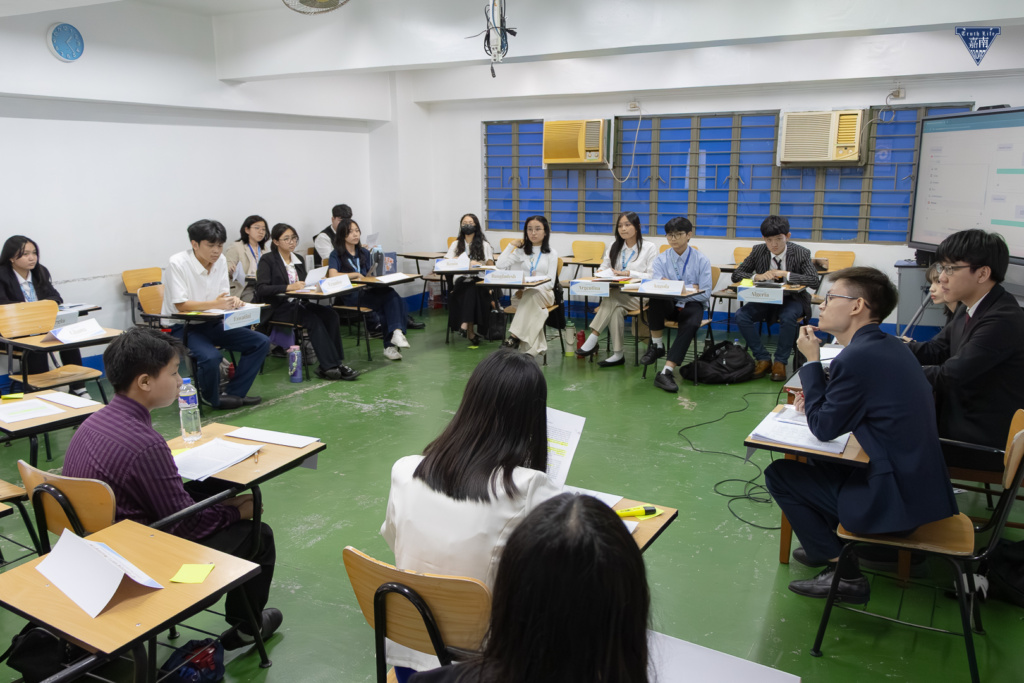
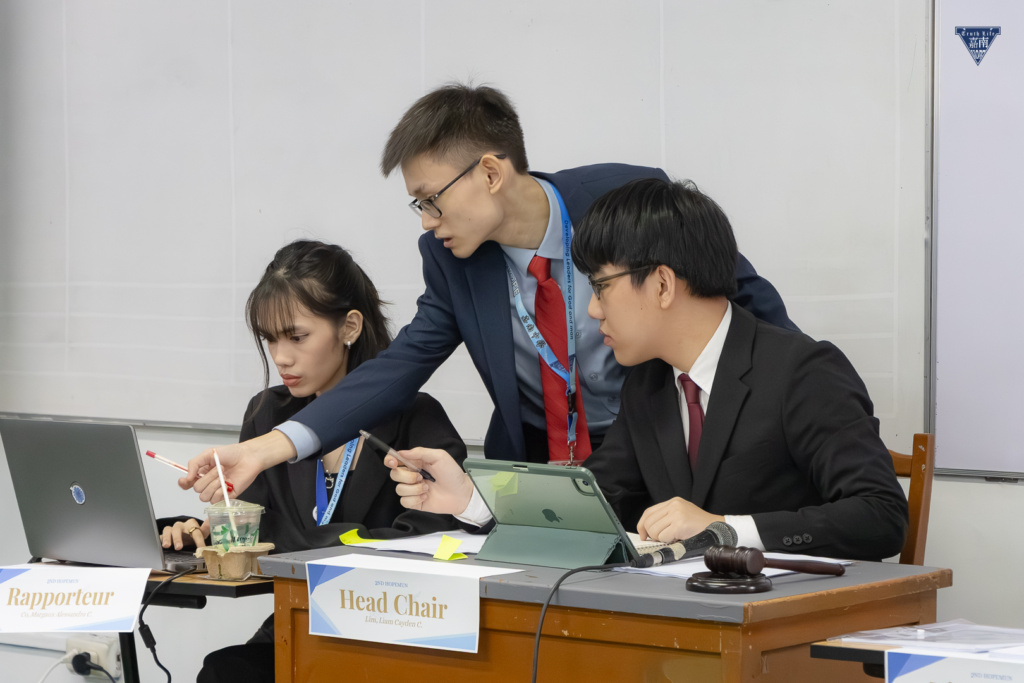
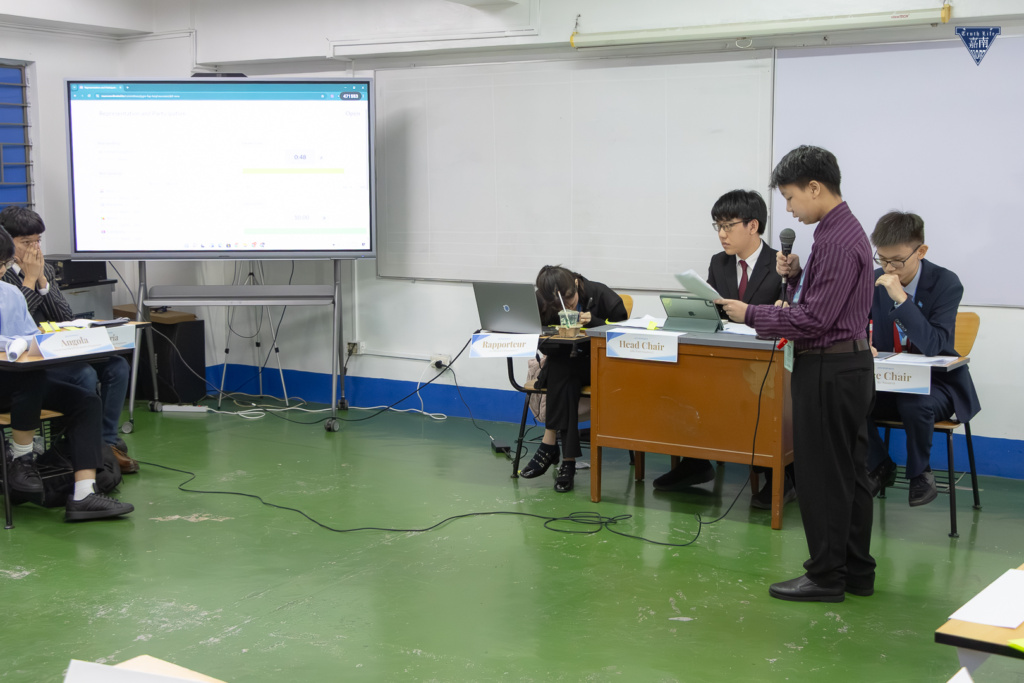
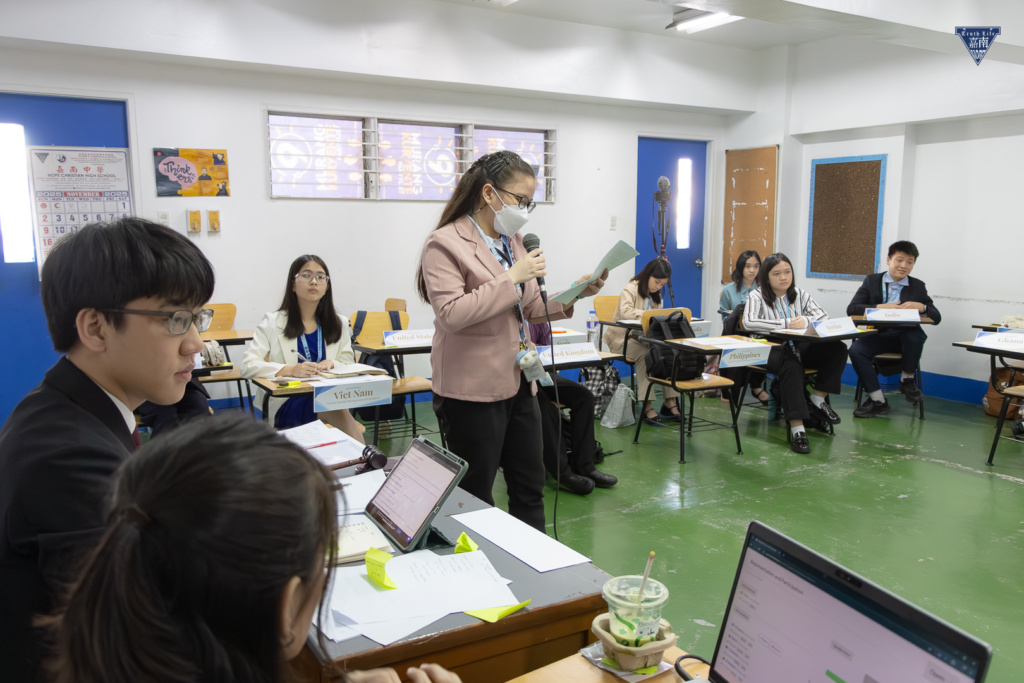
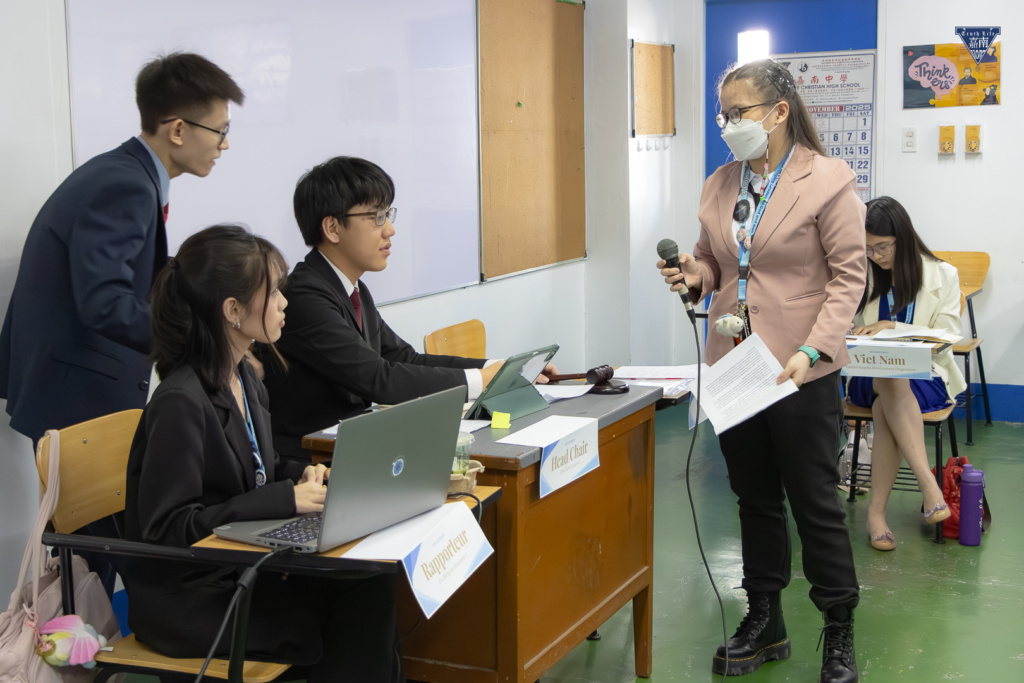
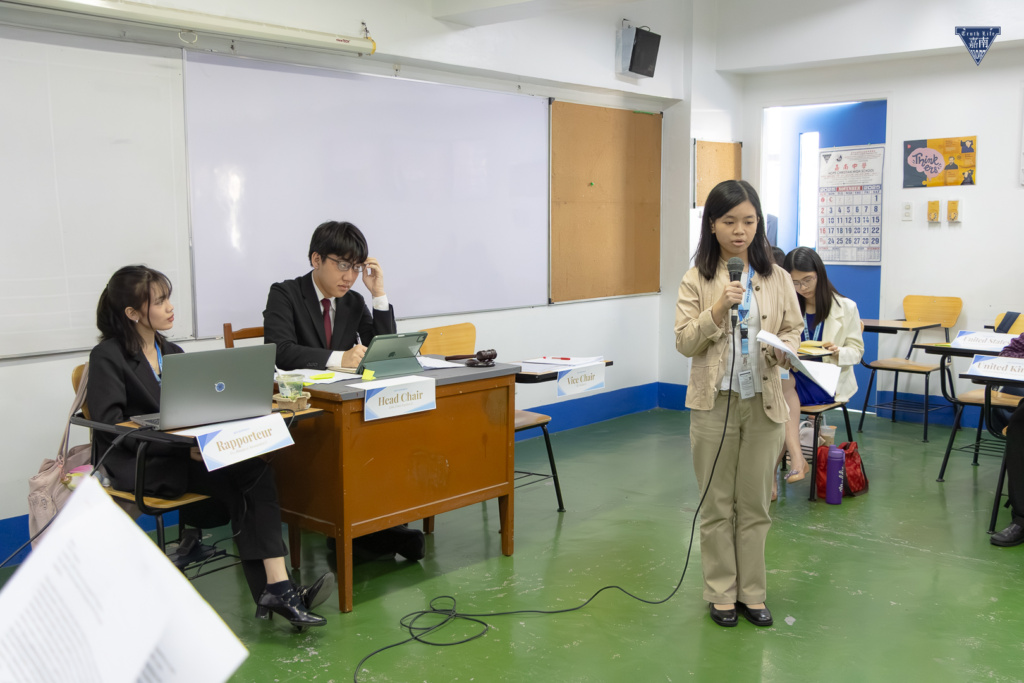
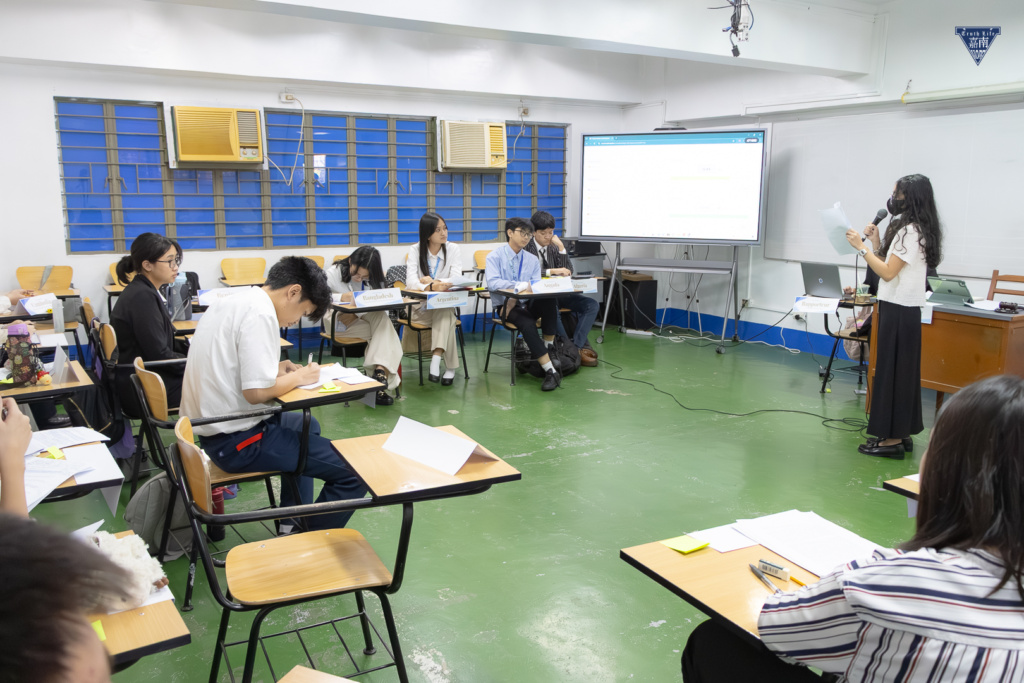
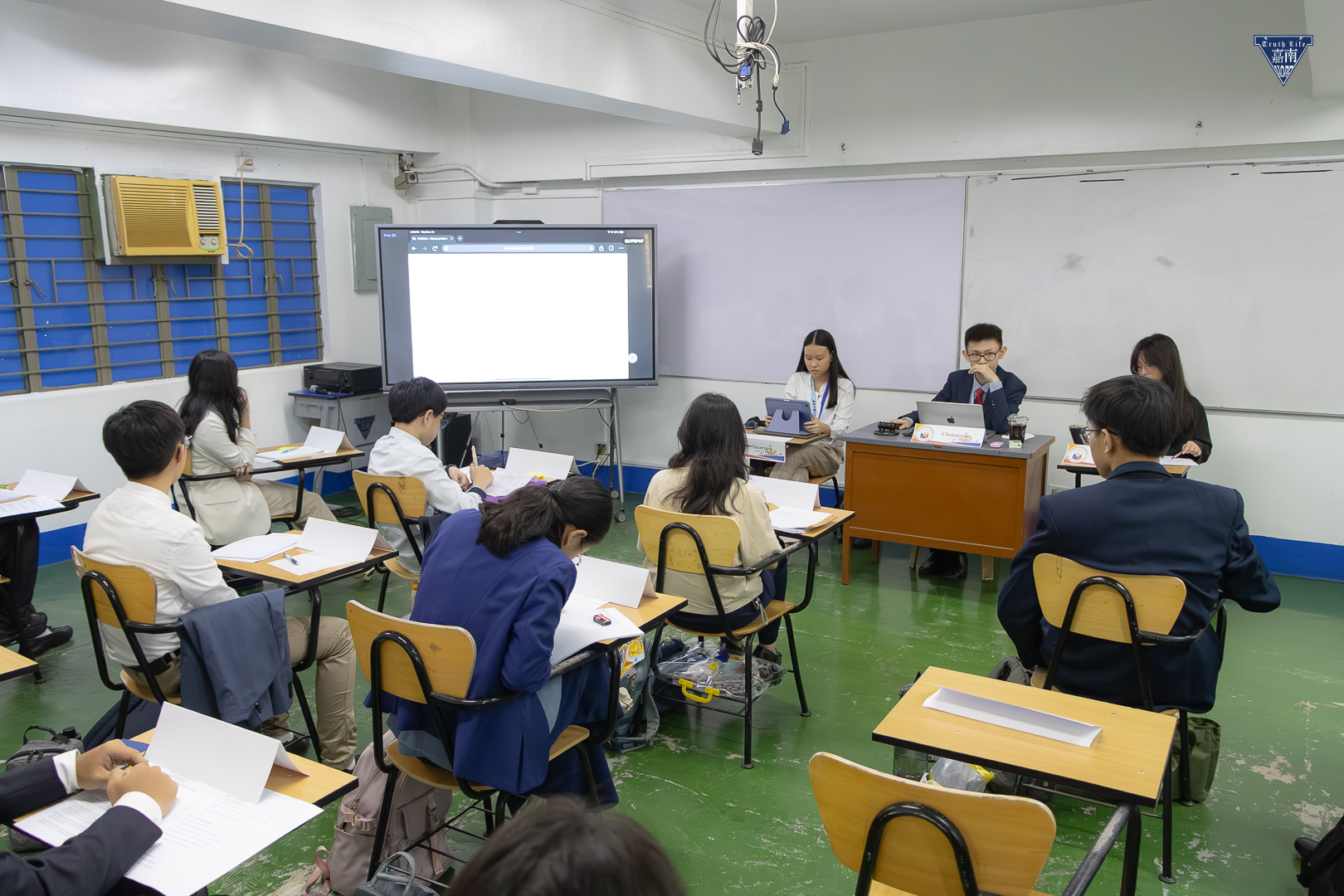
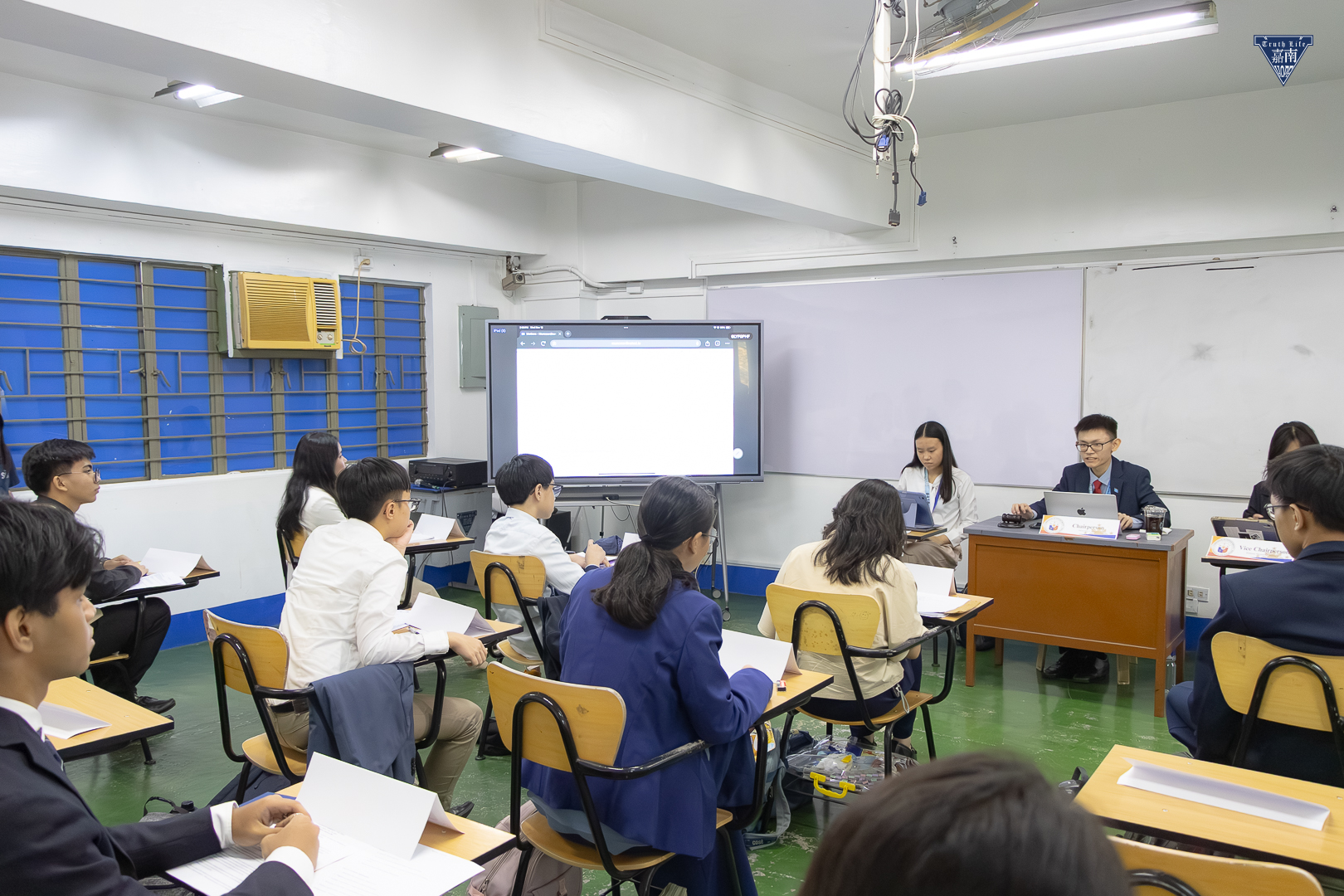
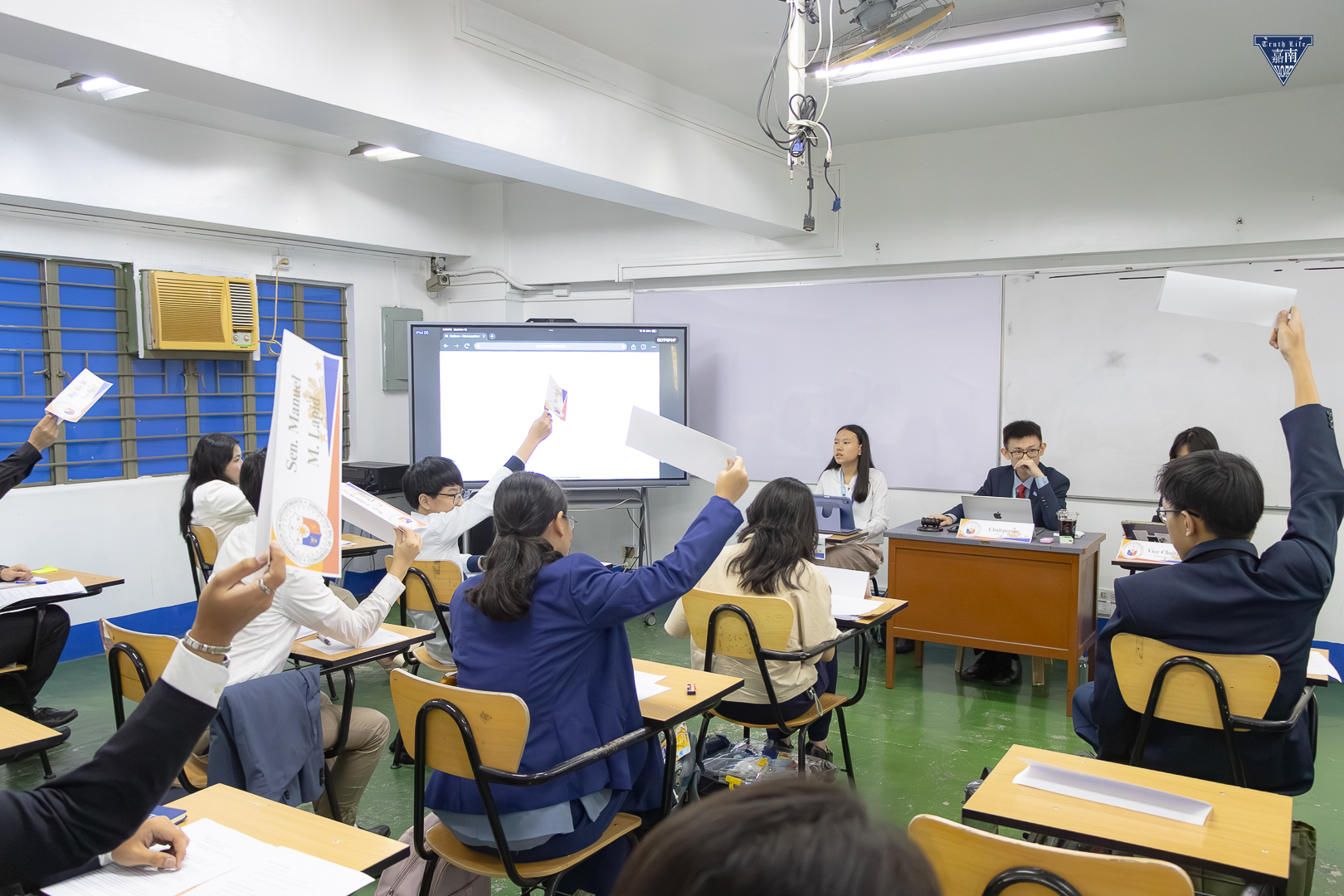
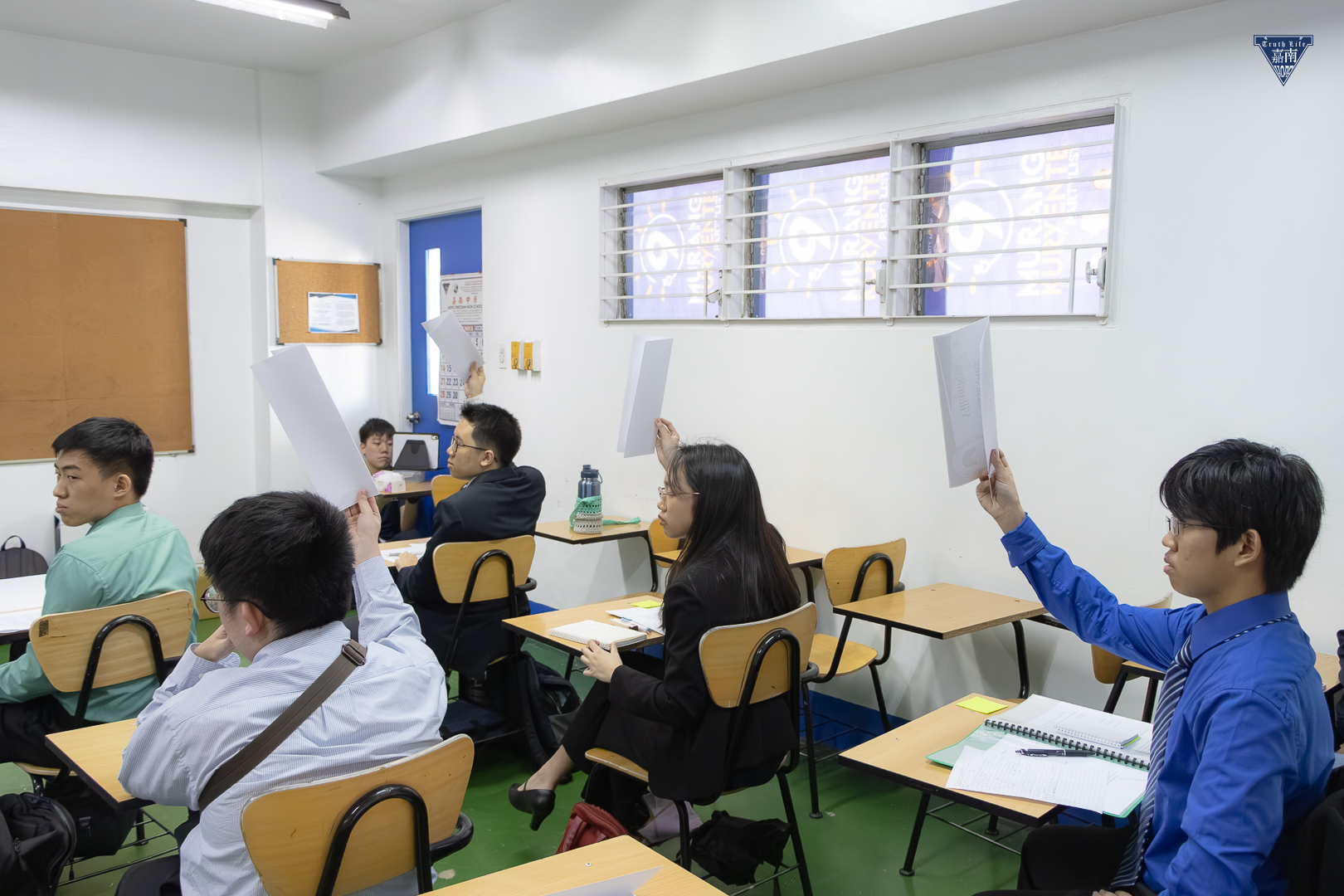
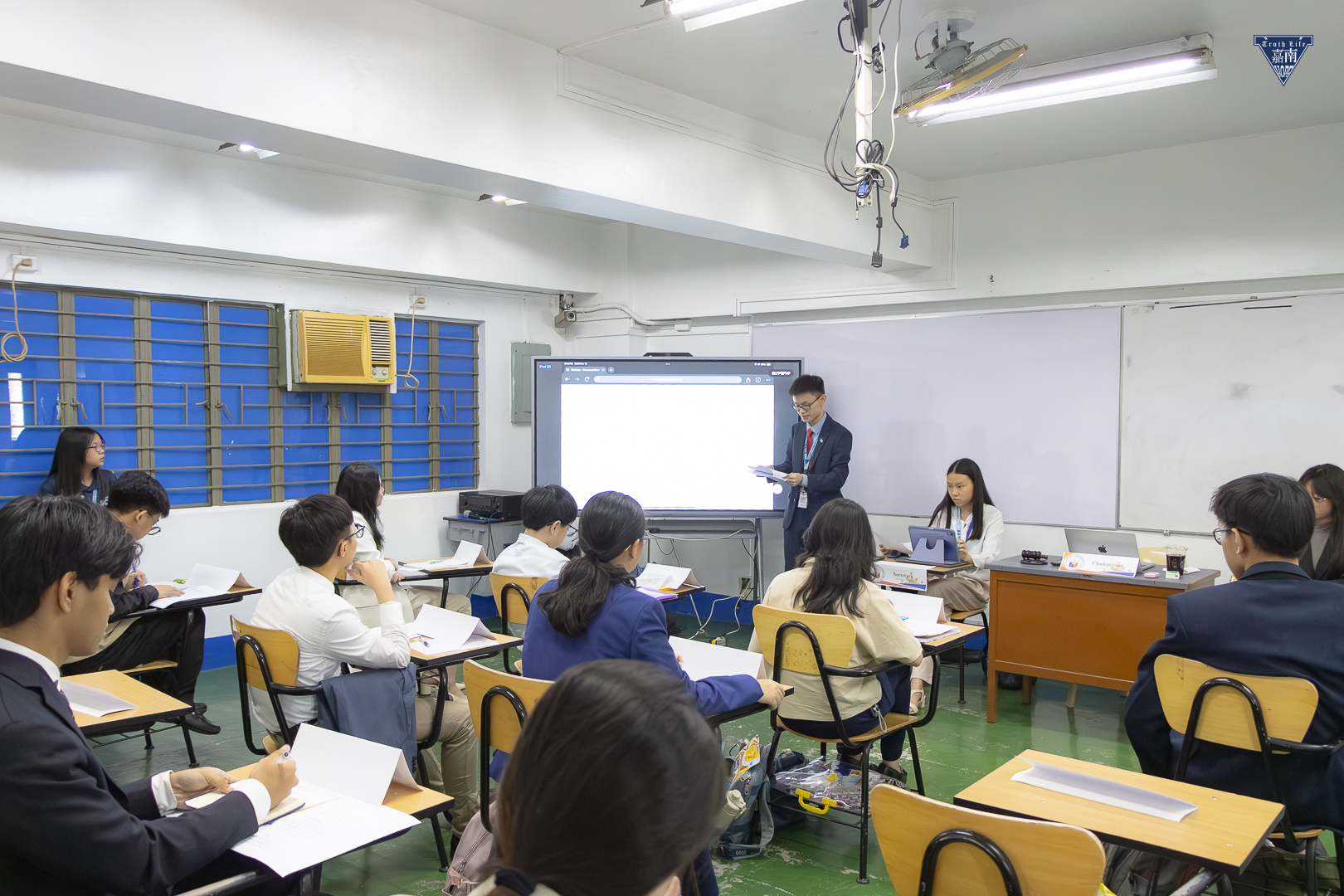
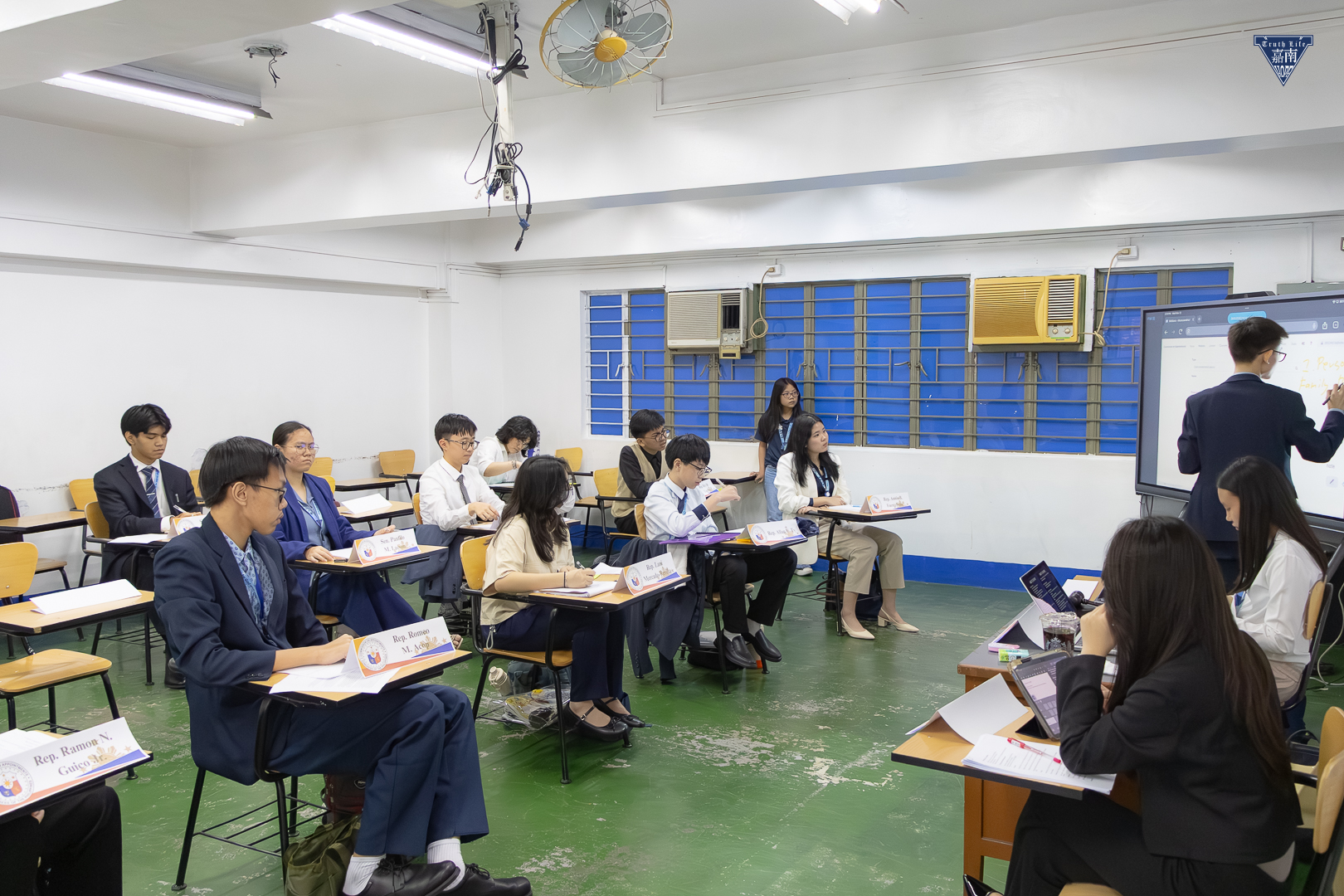
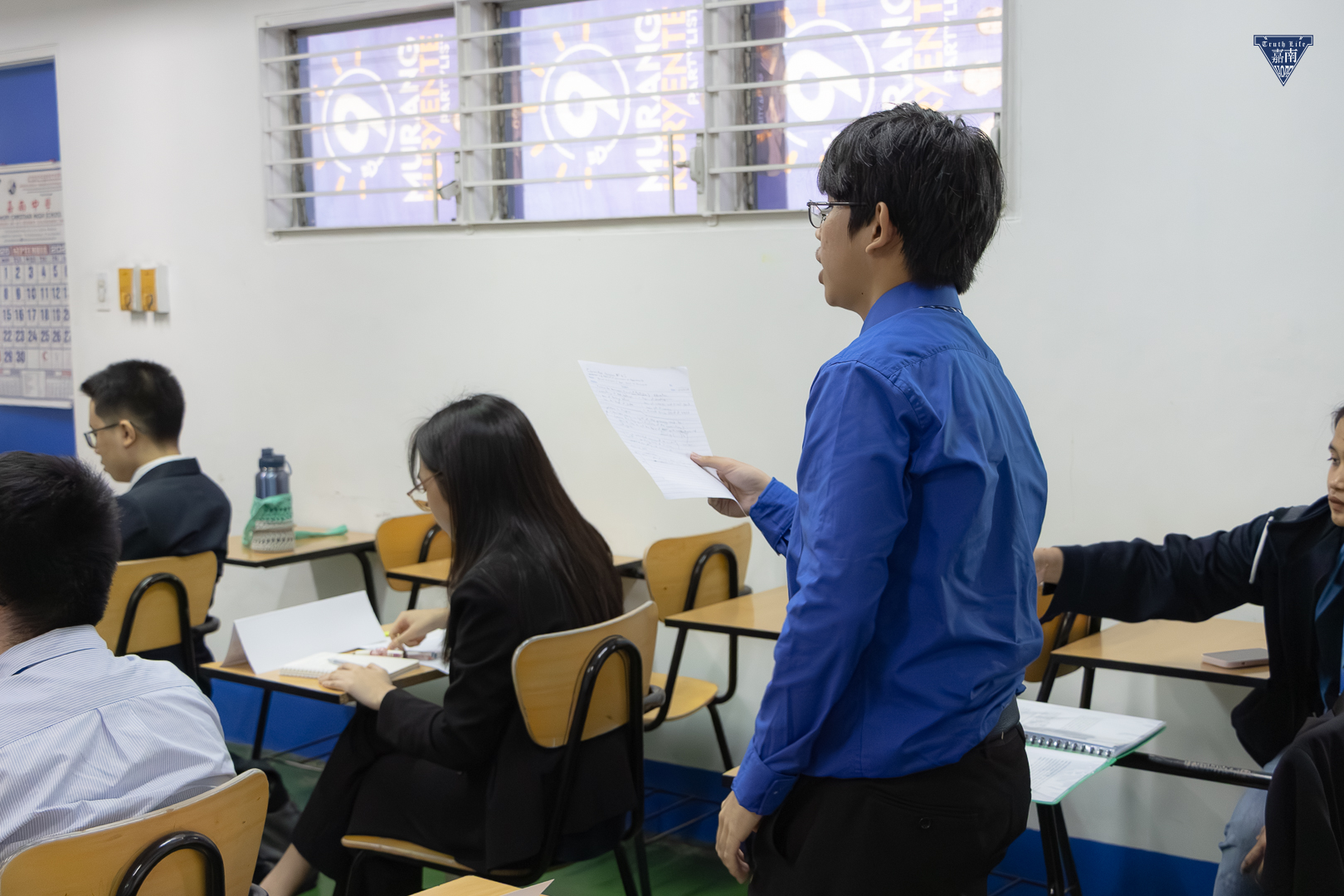
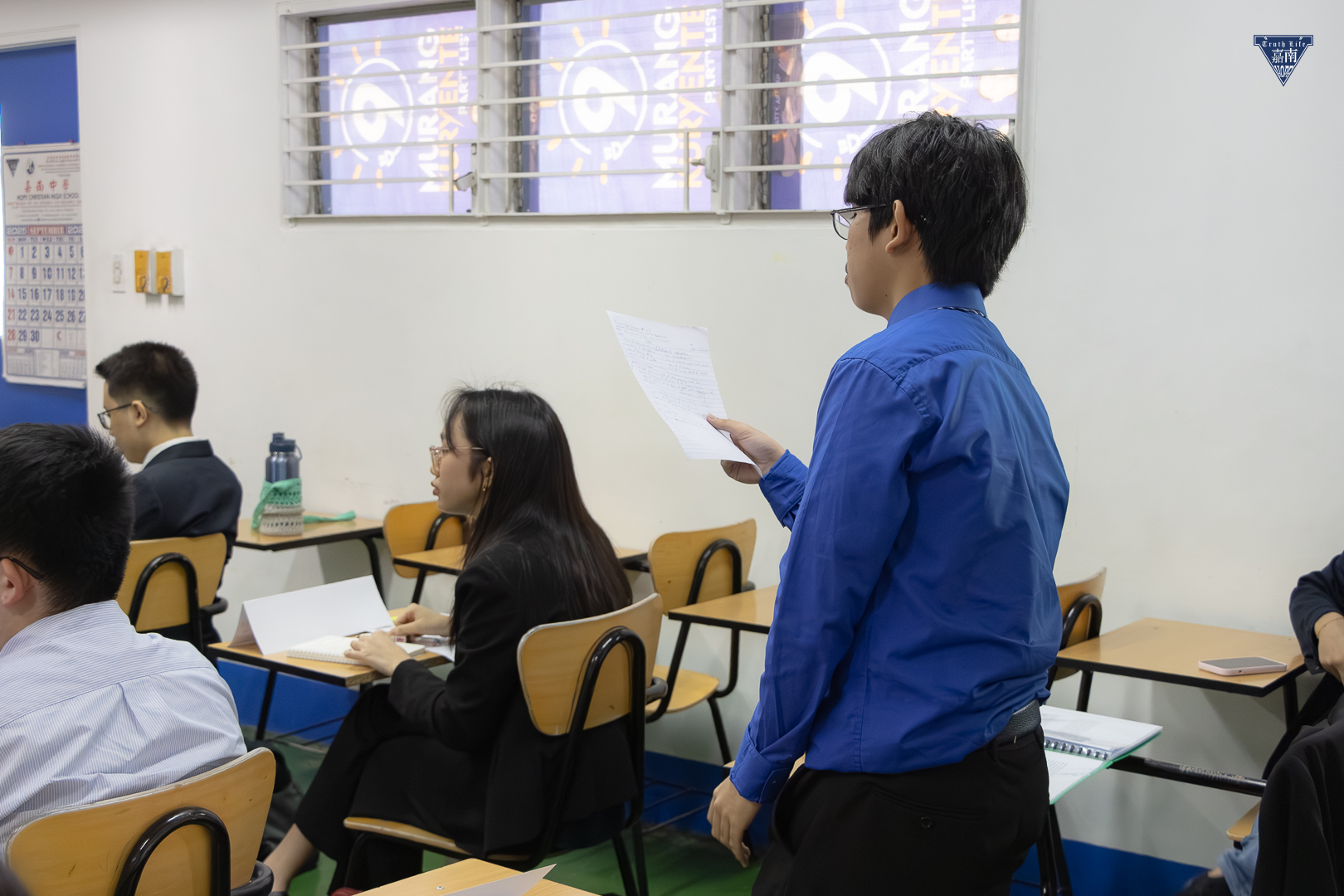
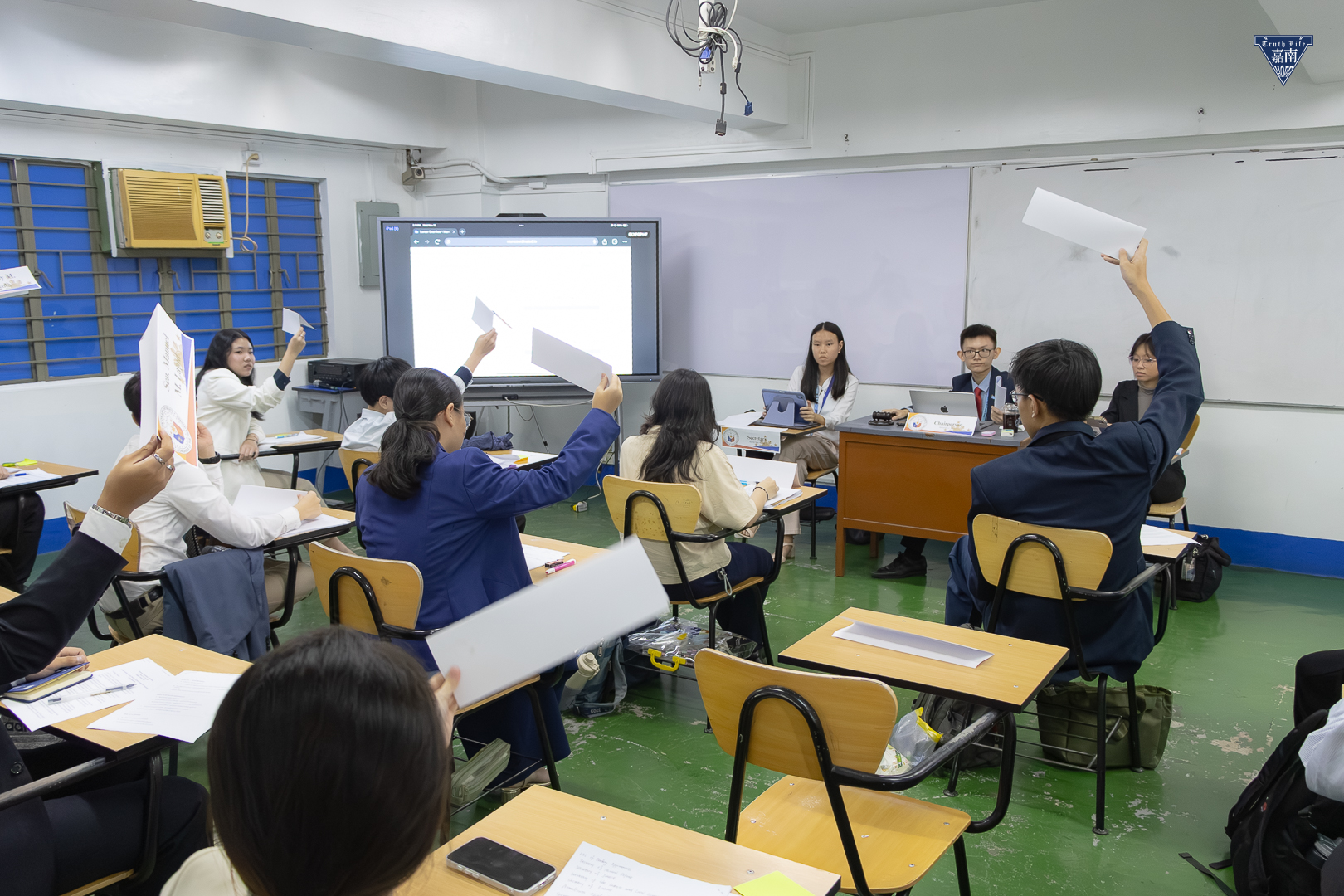
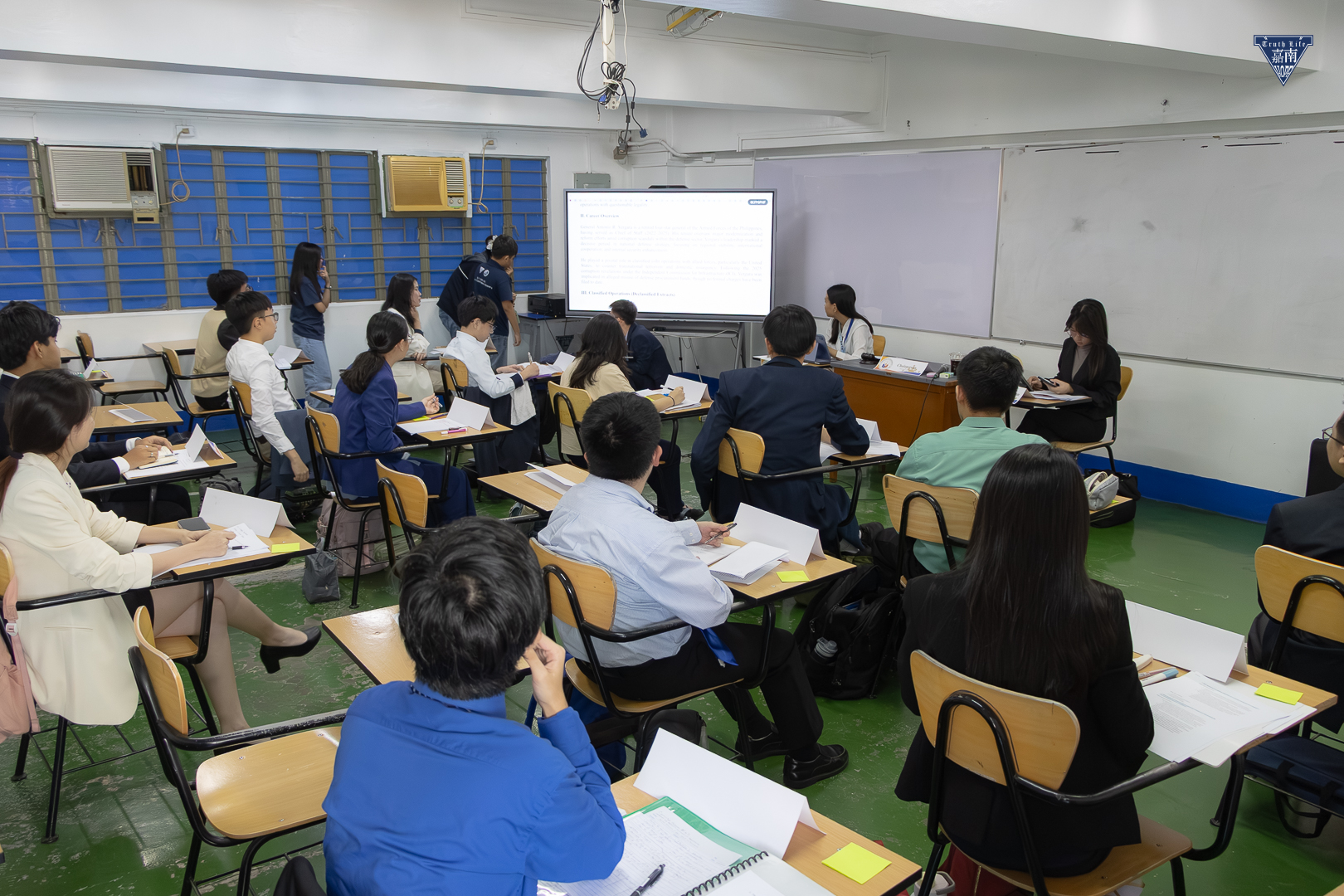
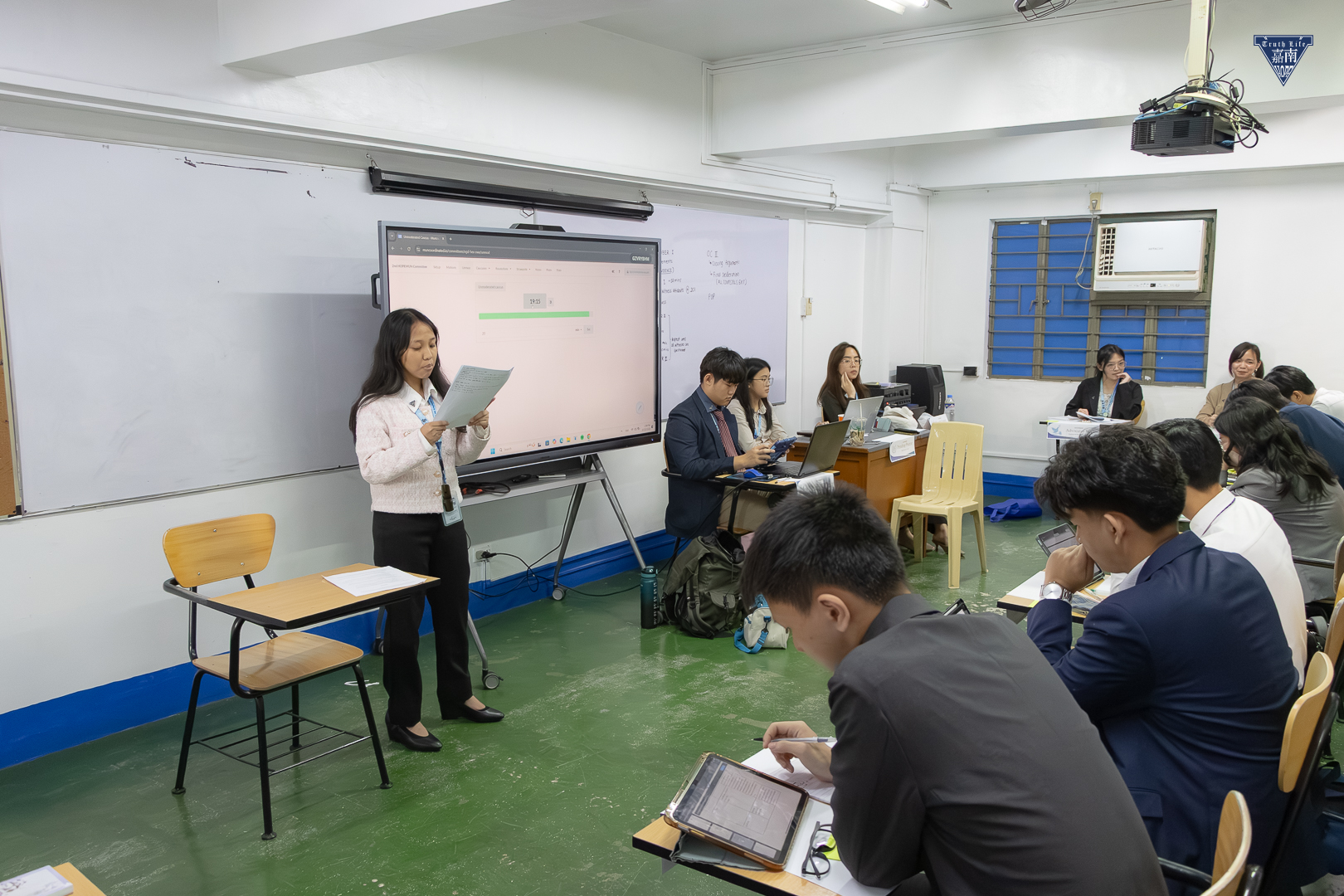
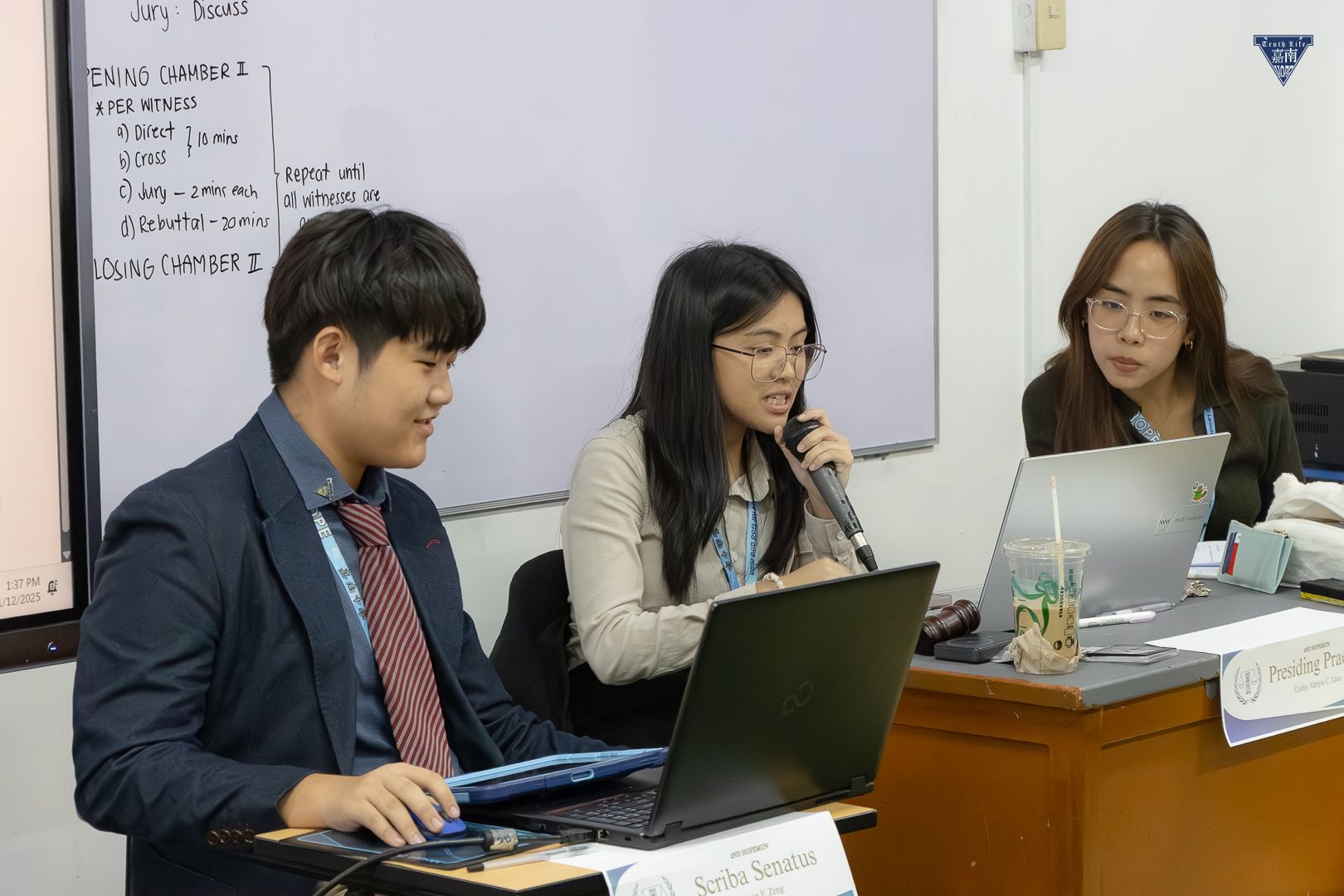
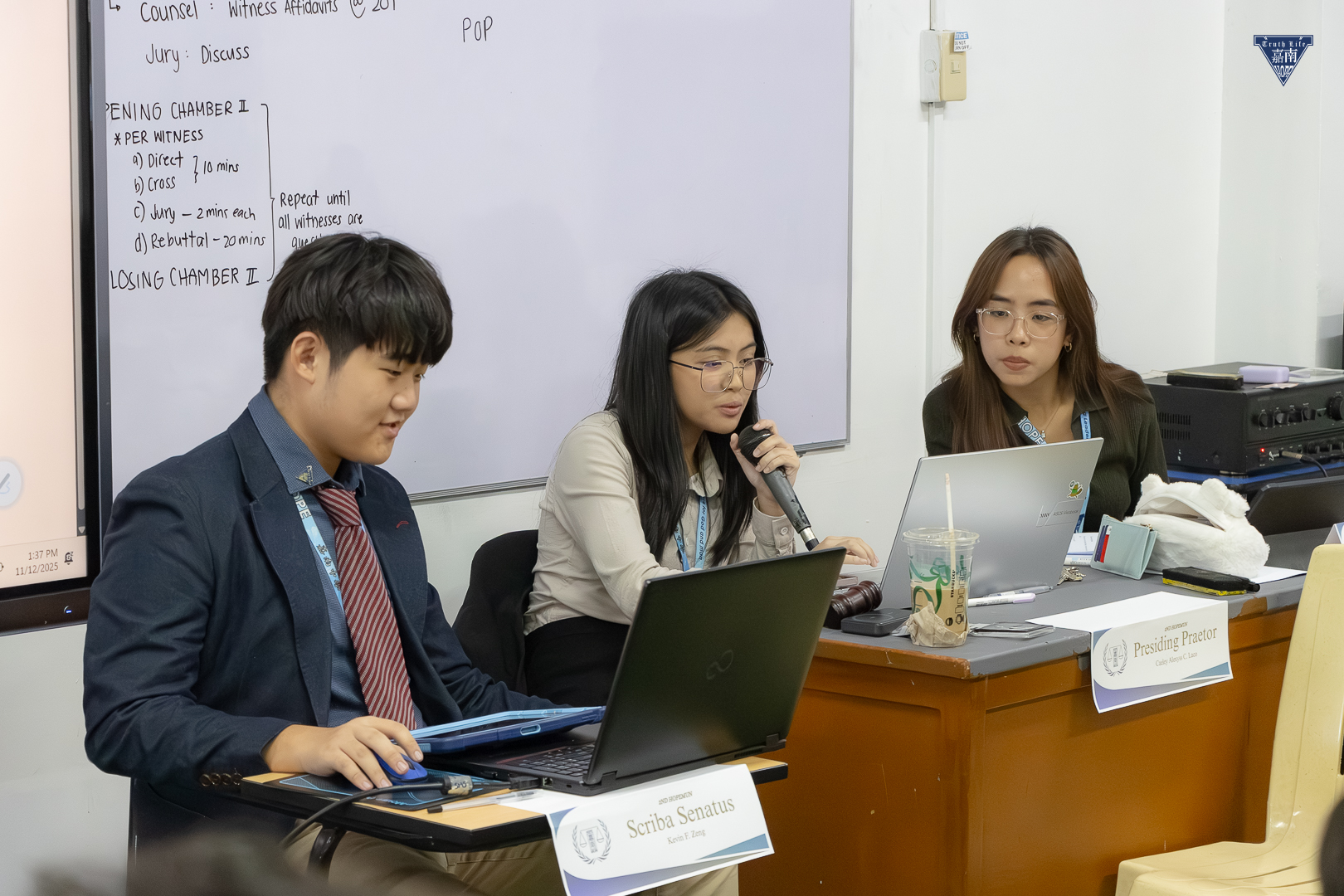
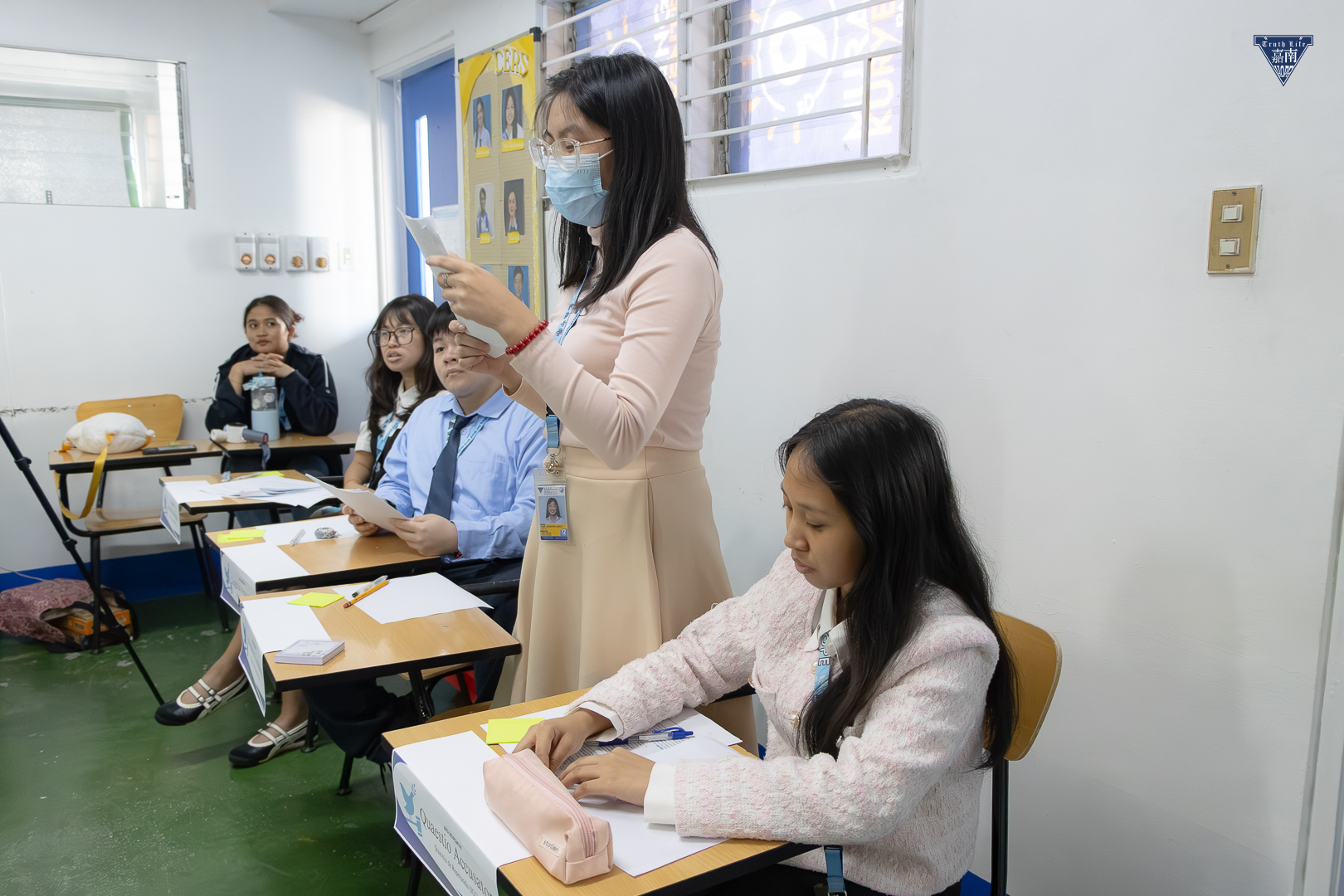
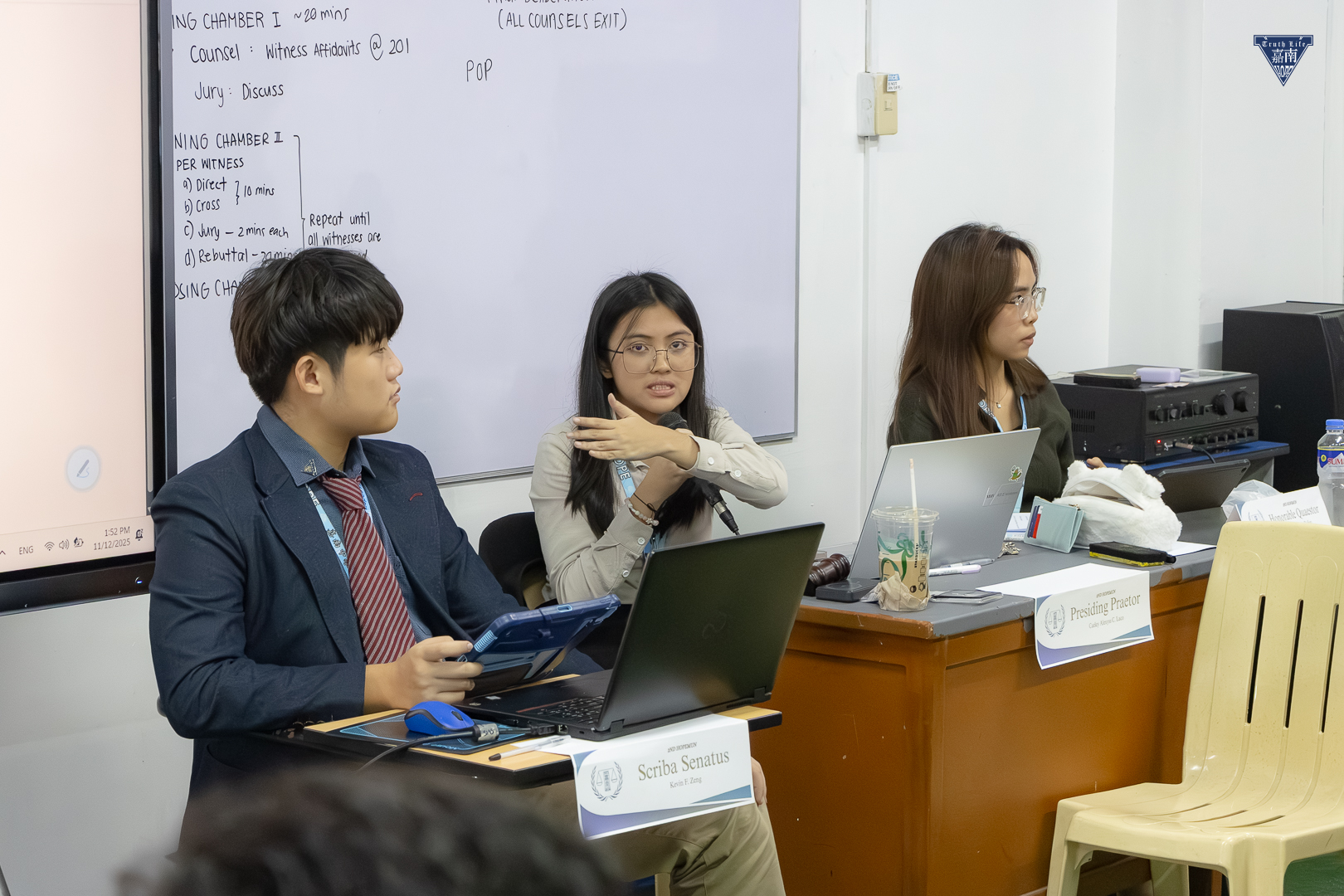
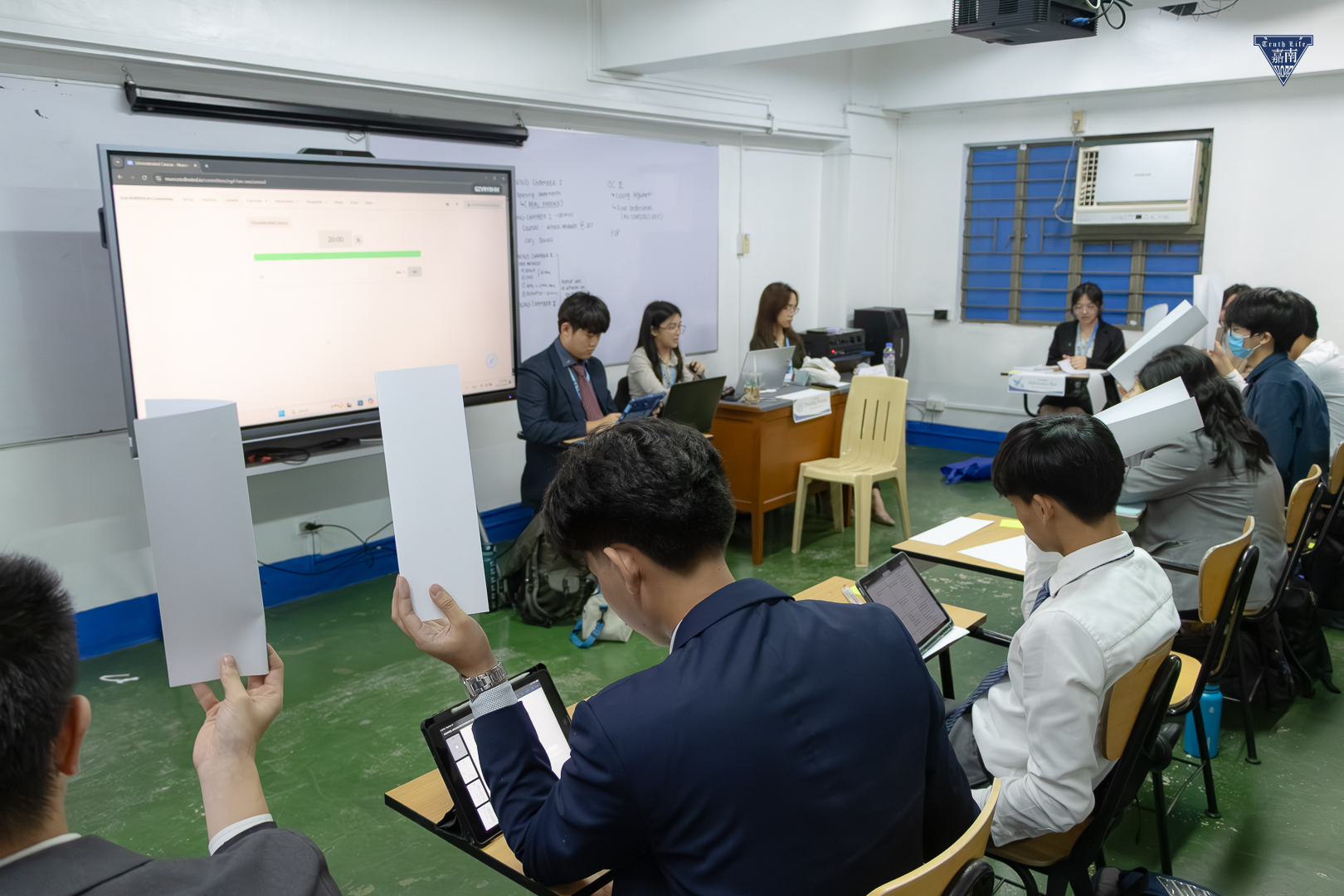
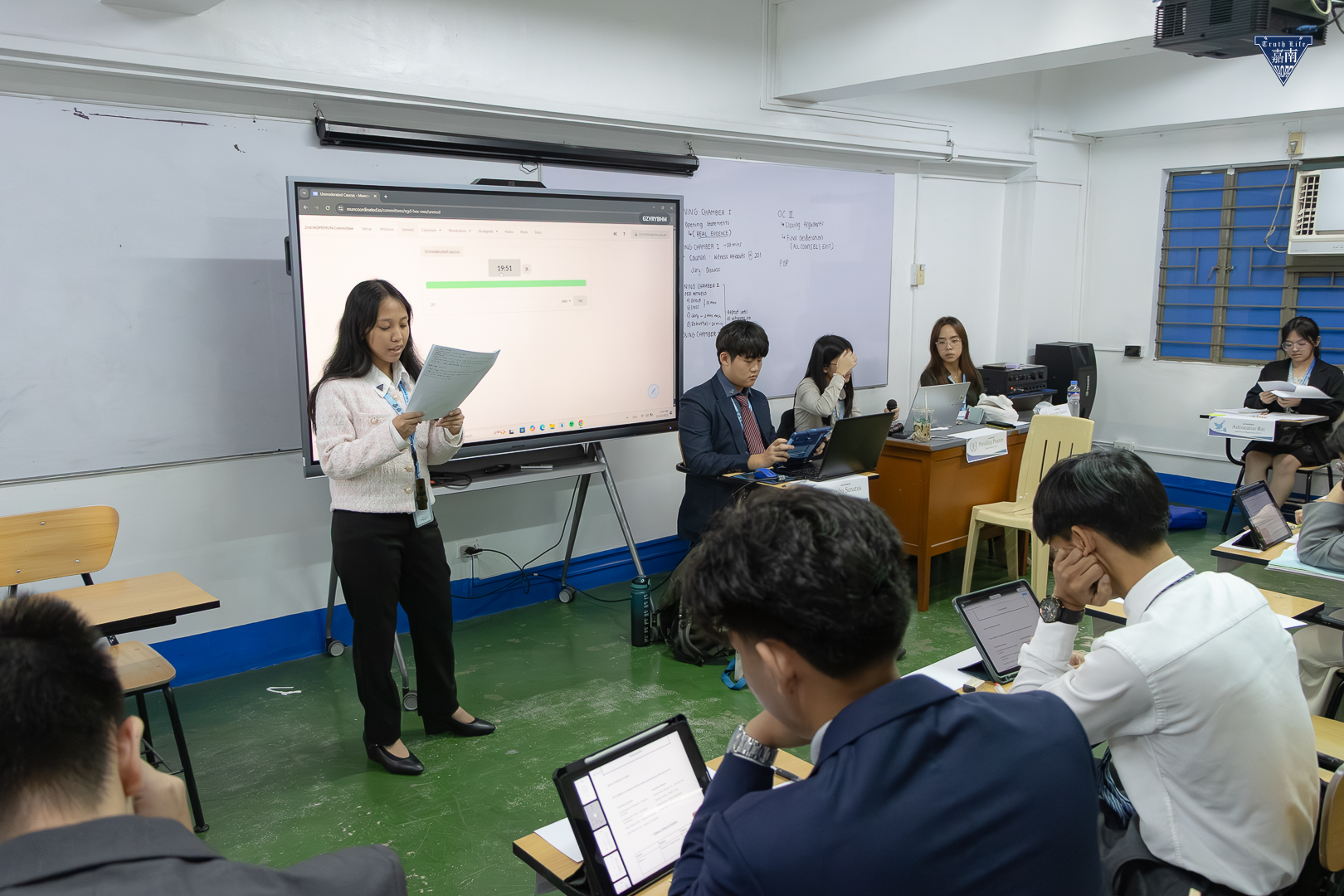
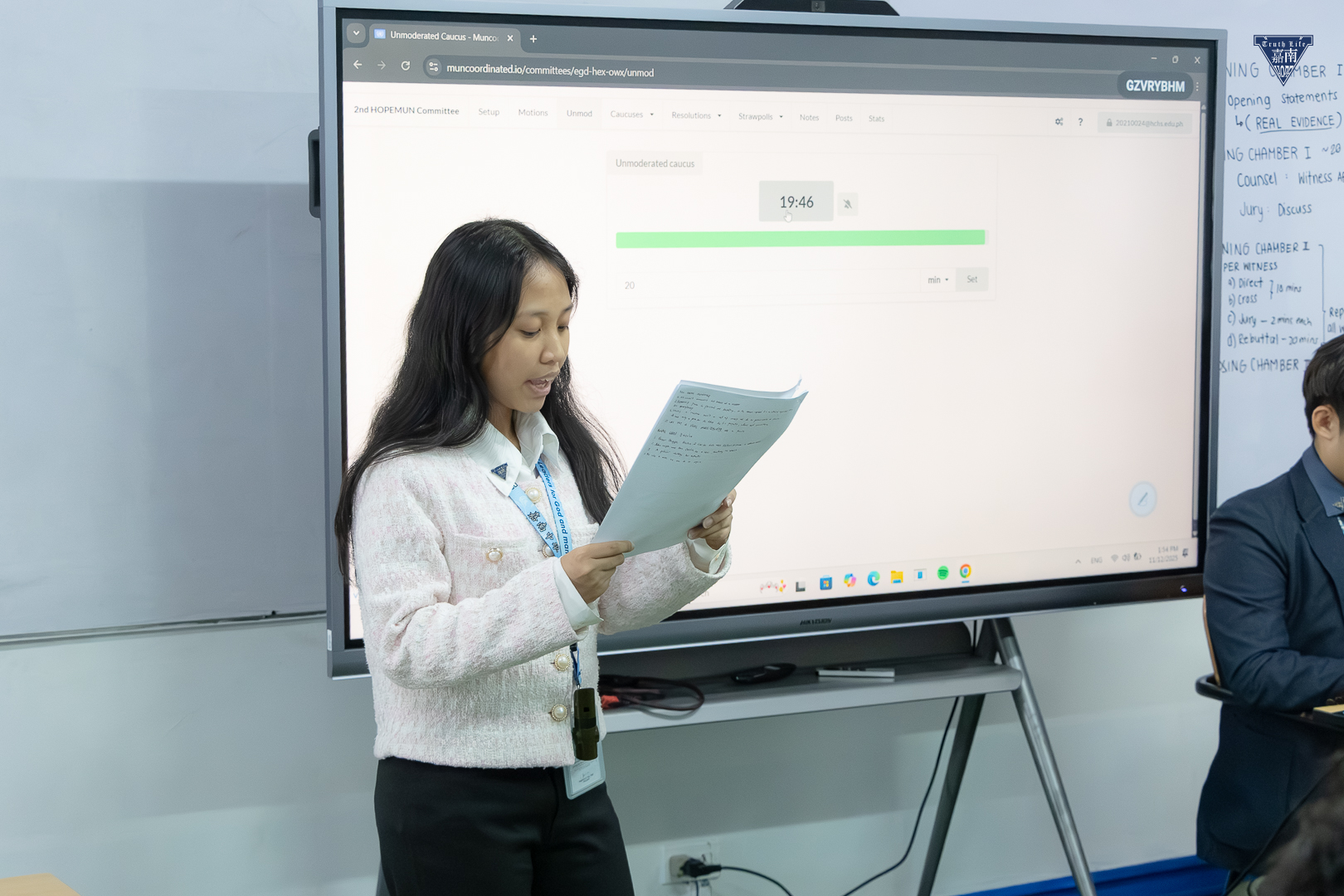
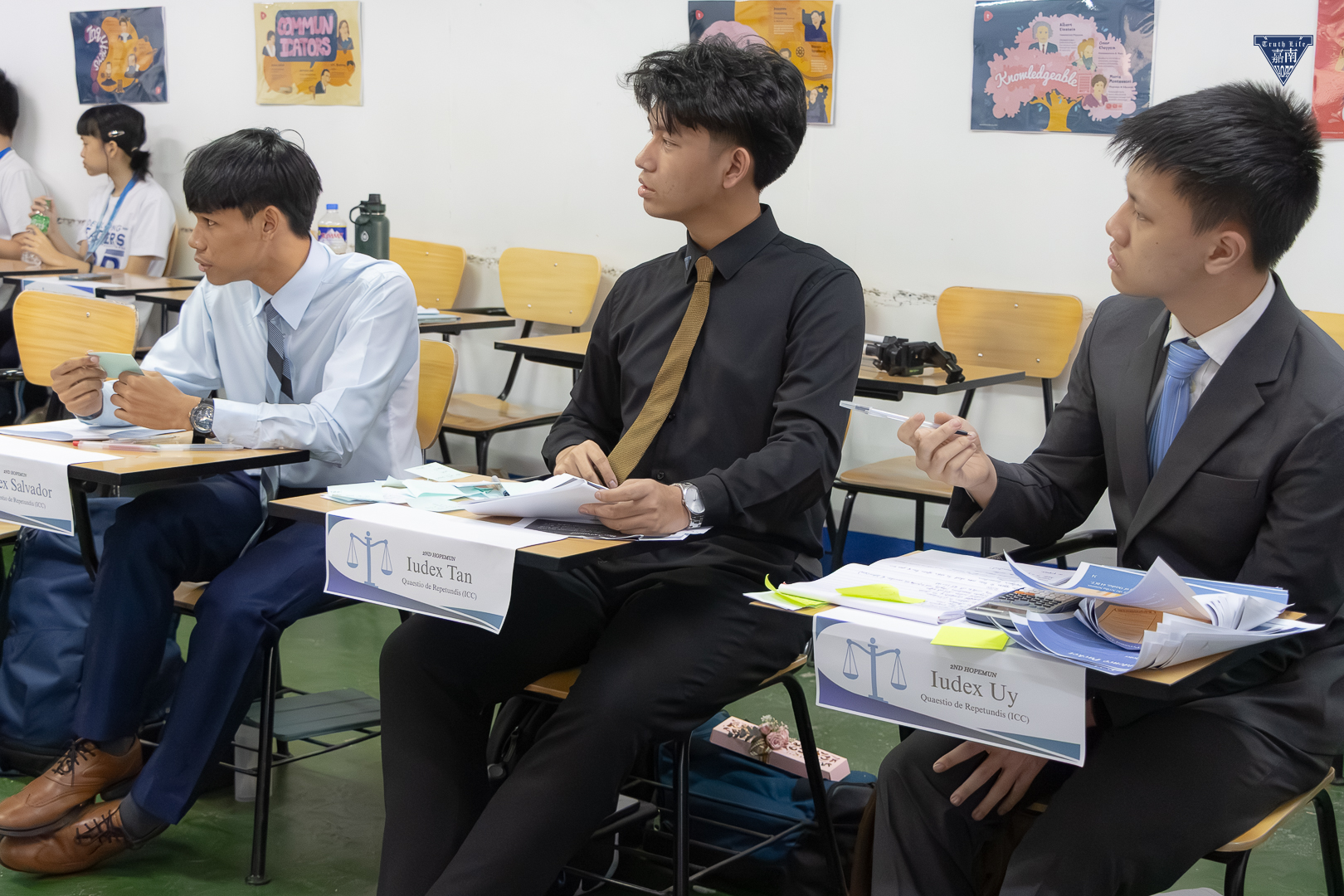
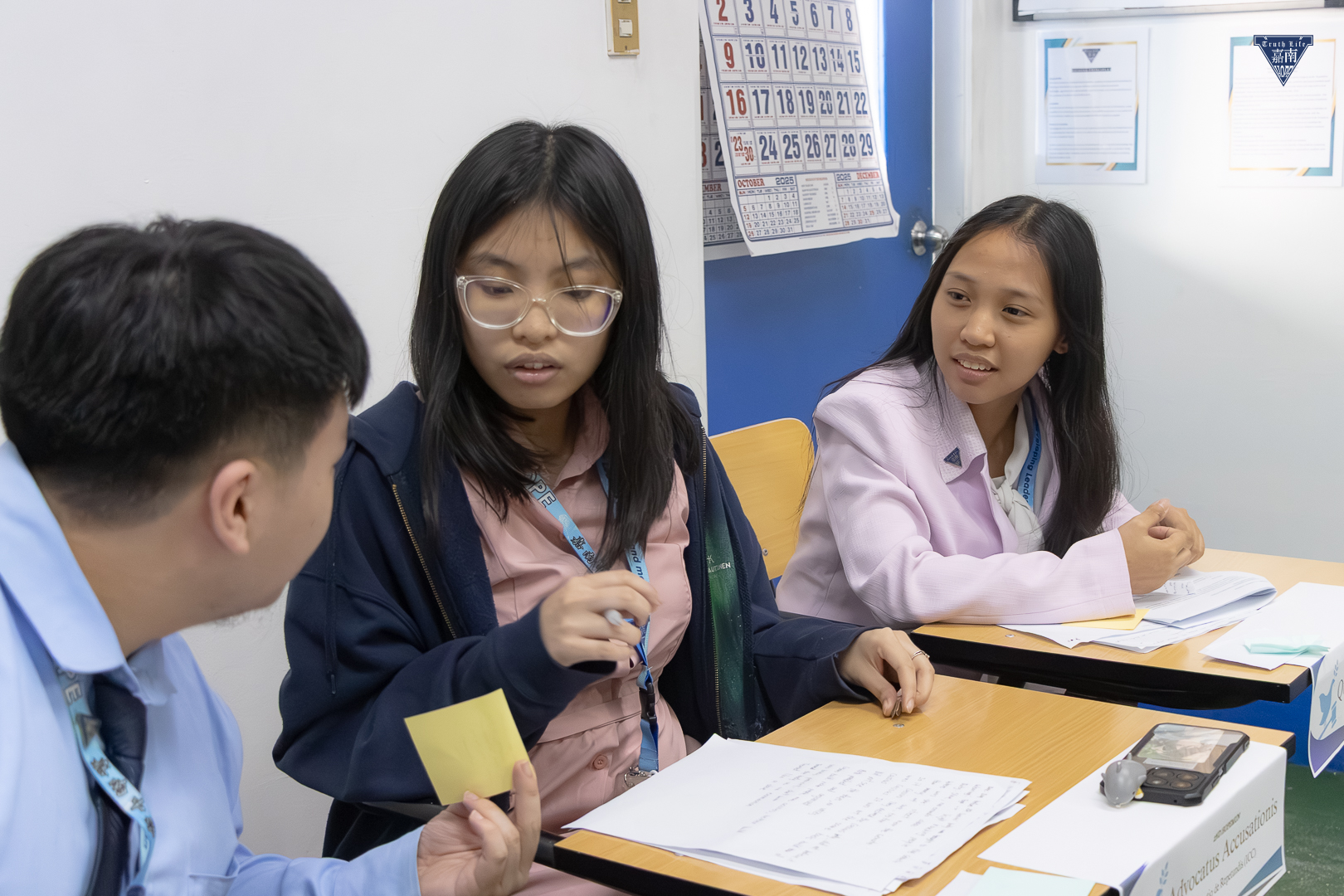
Three classrooms in the Alumni Building were transformed into session rooms as the delegates settled into their committees. The delegates were organized into three committees: the UN Development Program (UNDP), the Philippines’ Commission on Appointments (CA), and the International Criminal Court (ICC). Apart from the delegates, each committee consists of a dais that presides over the sessions.
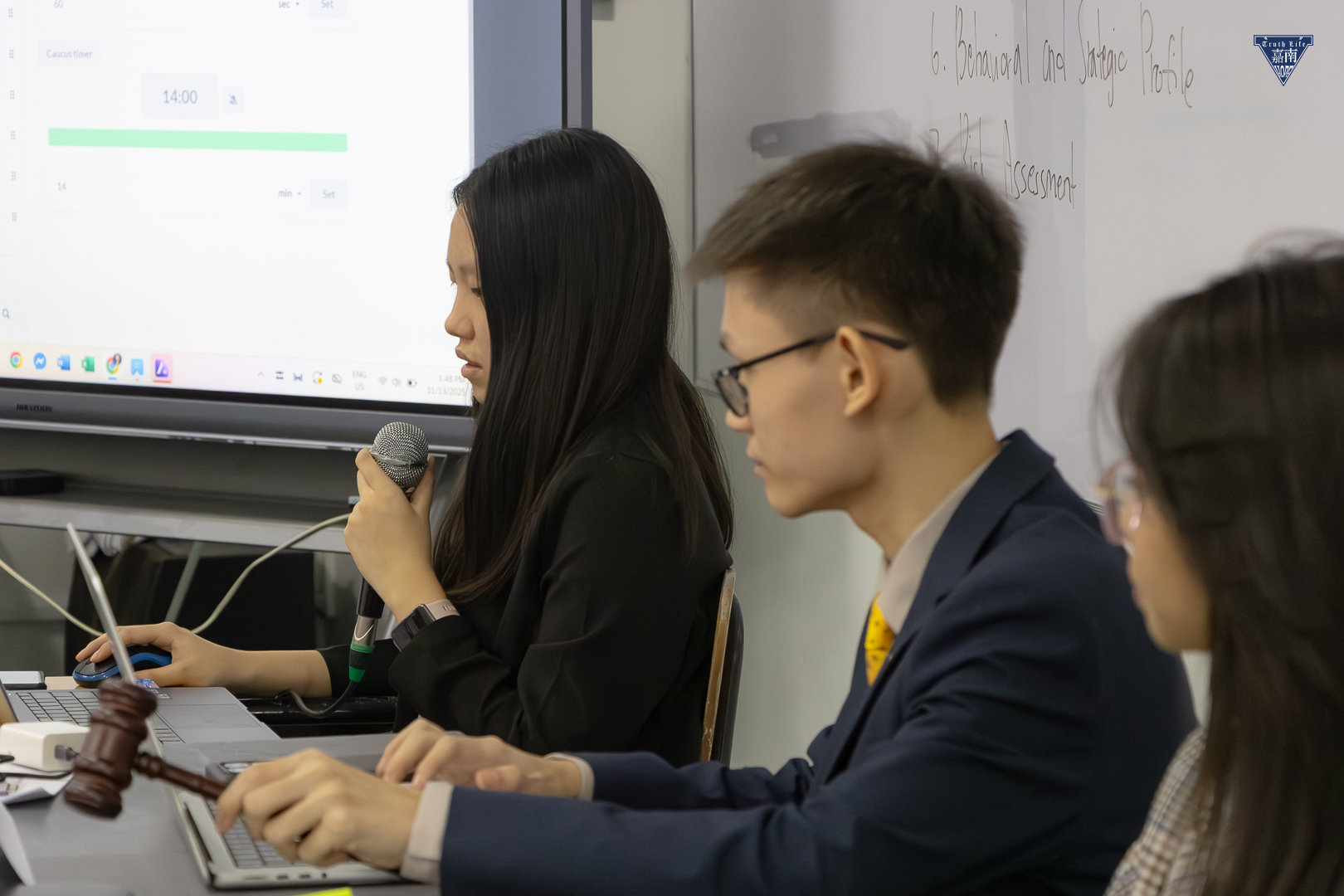
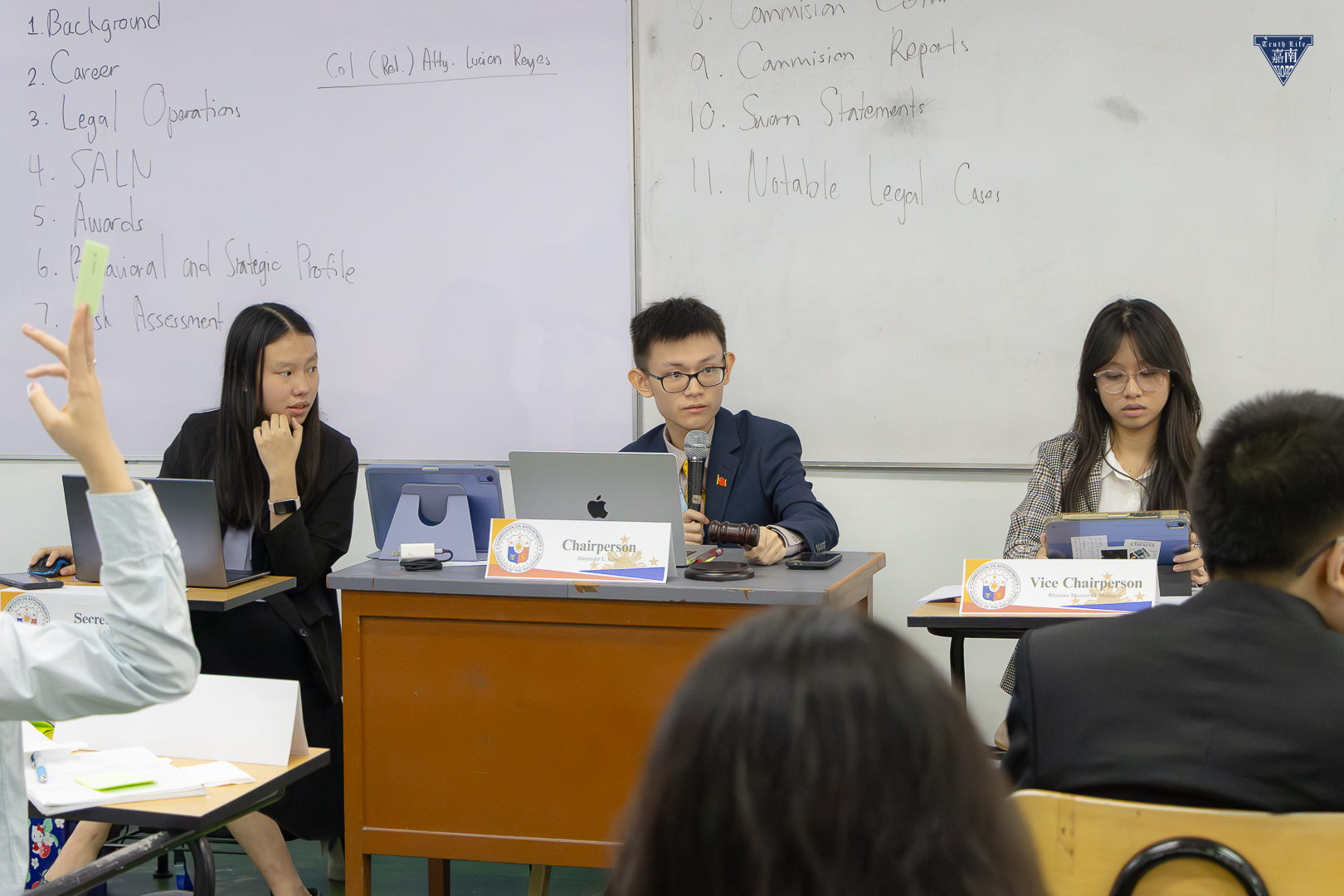
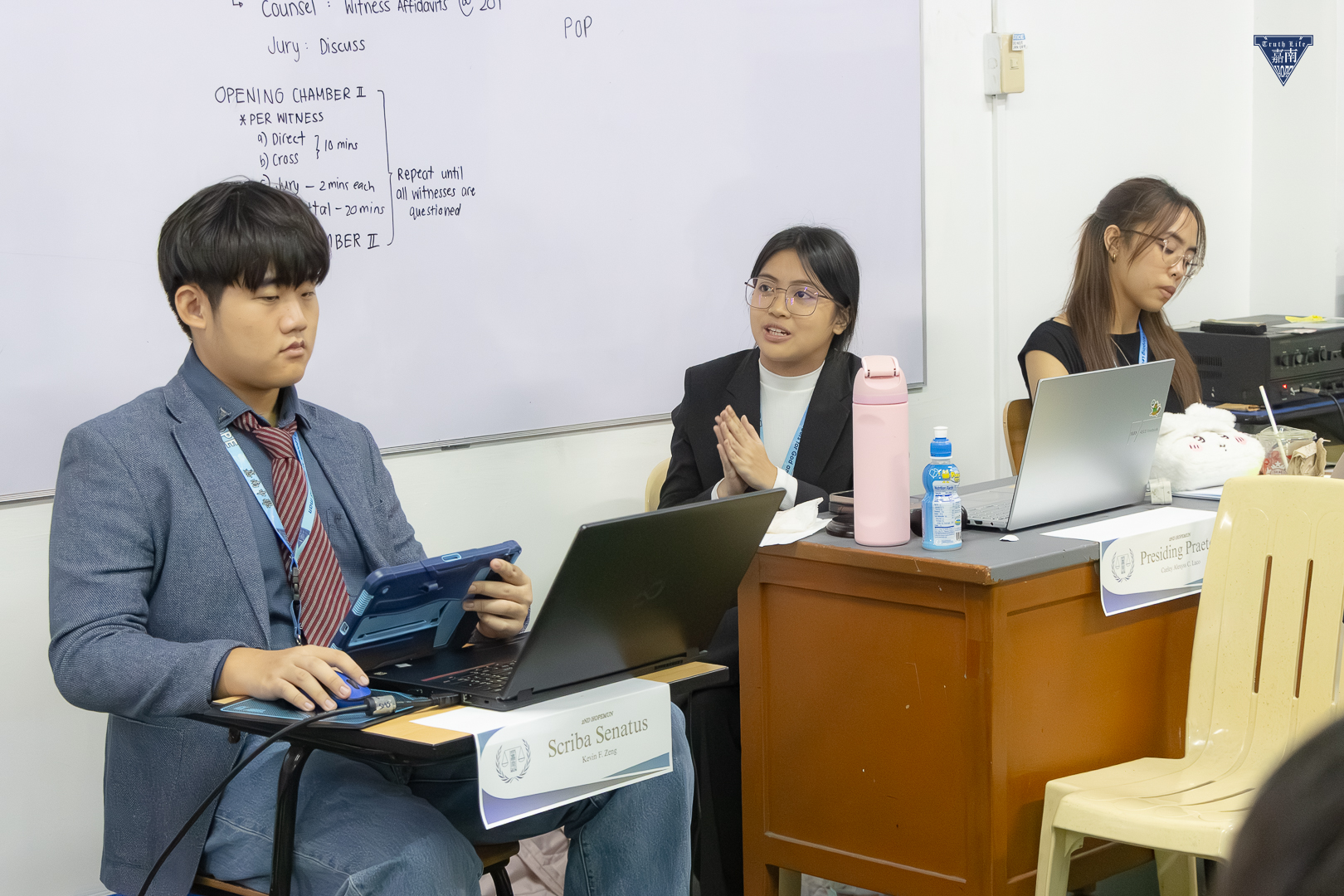
Board of dais for the UNDP, CA, and ICC (from left to right)
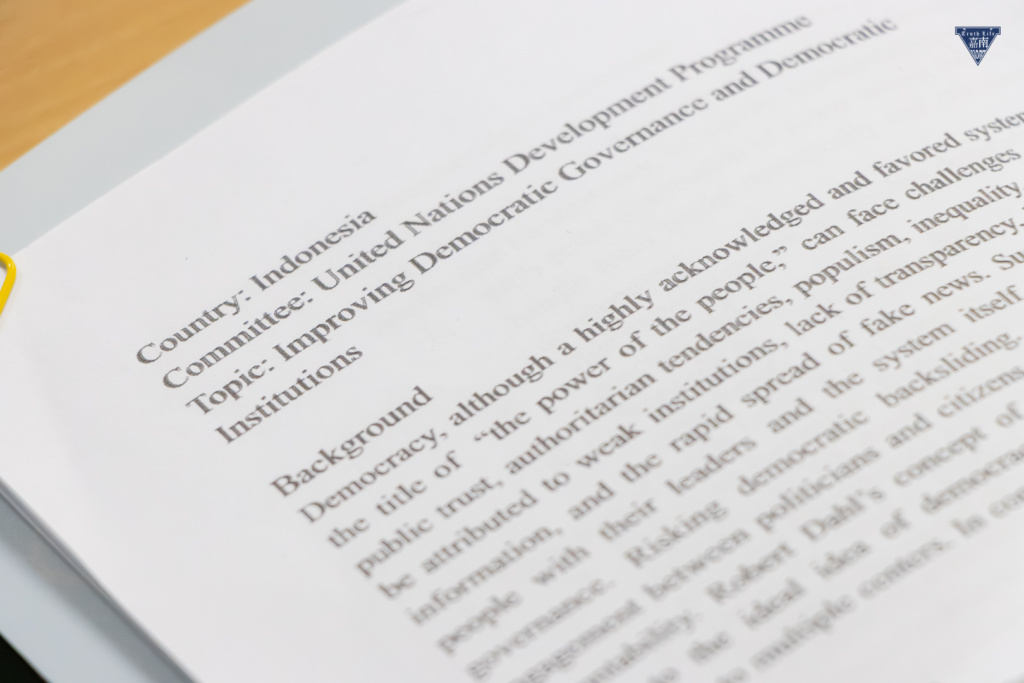
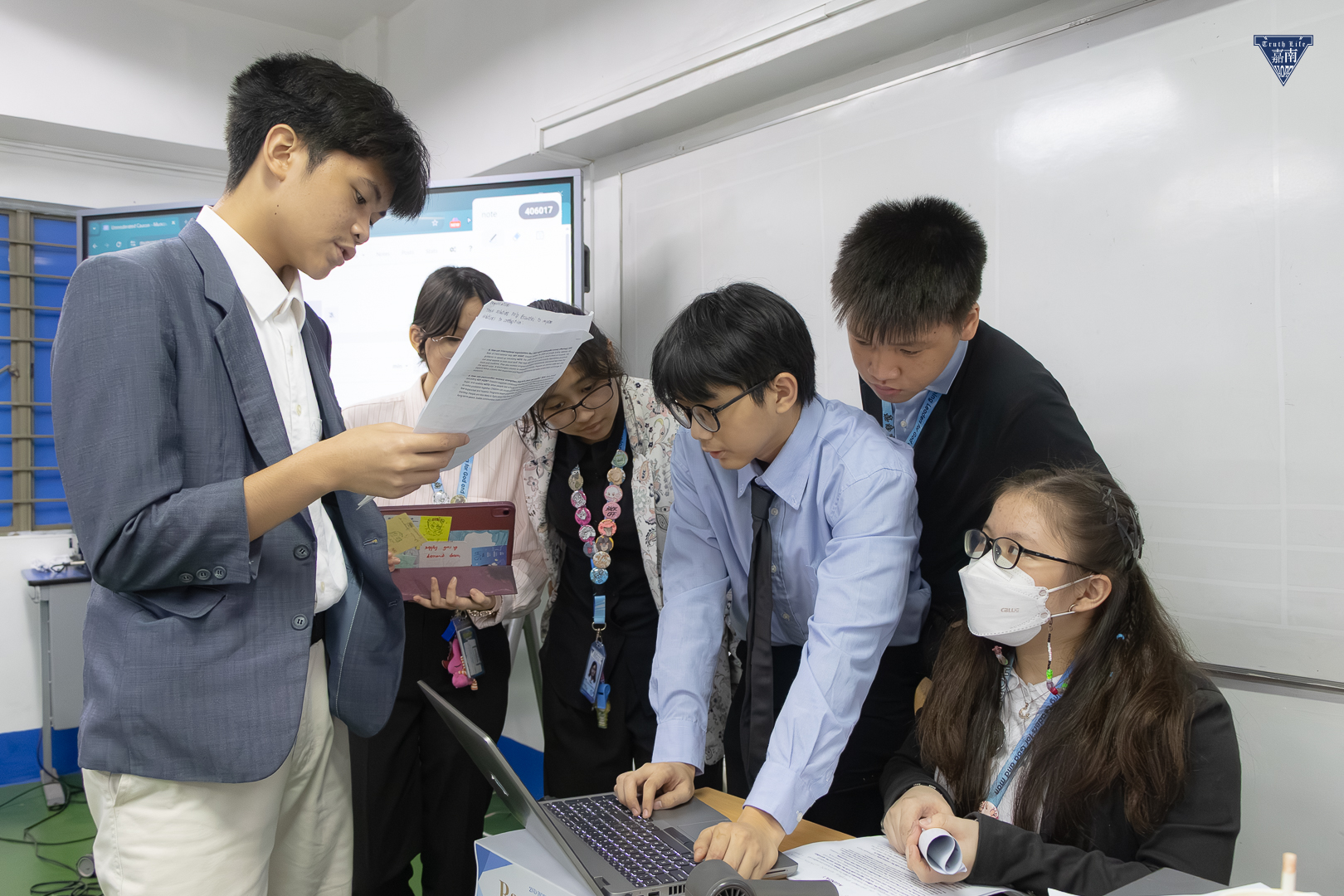
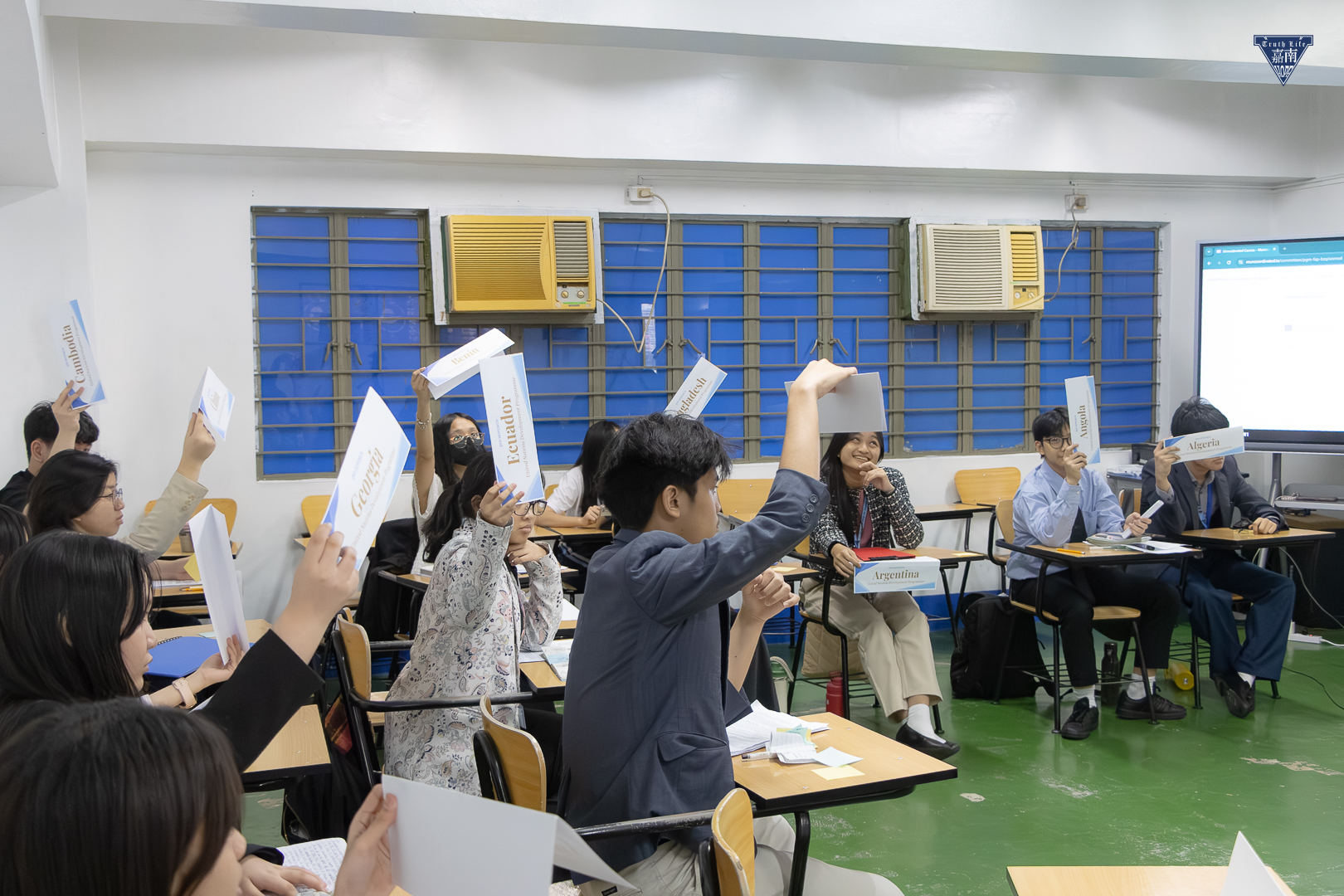
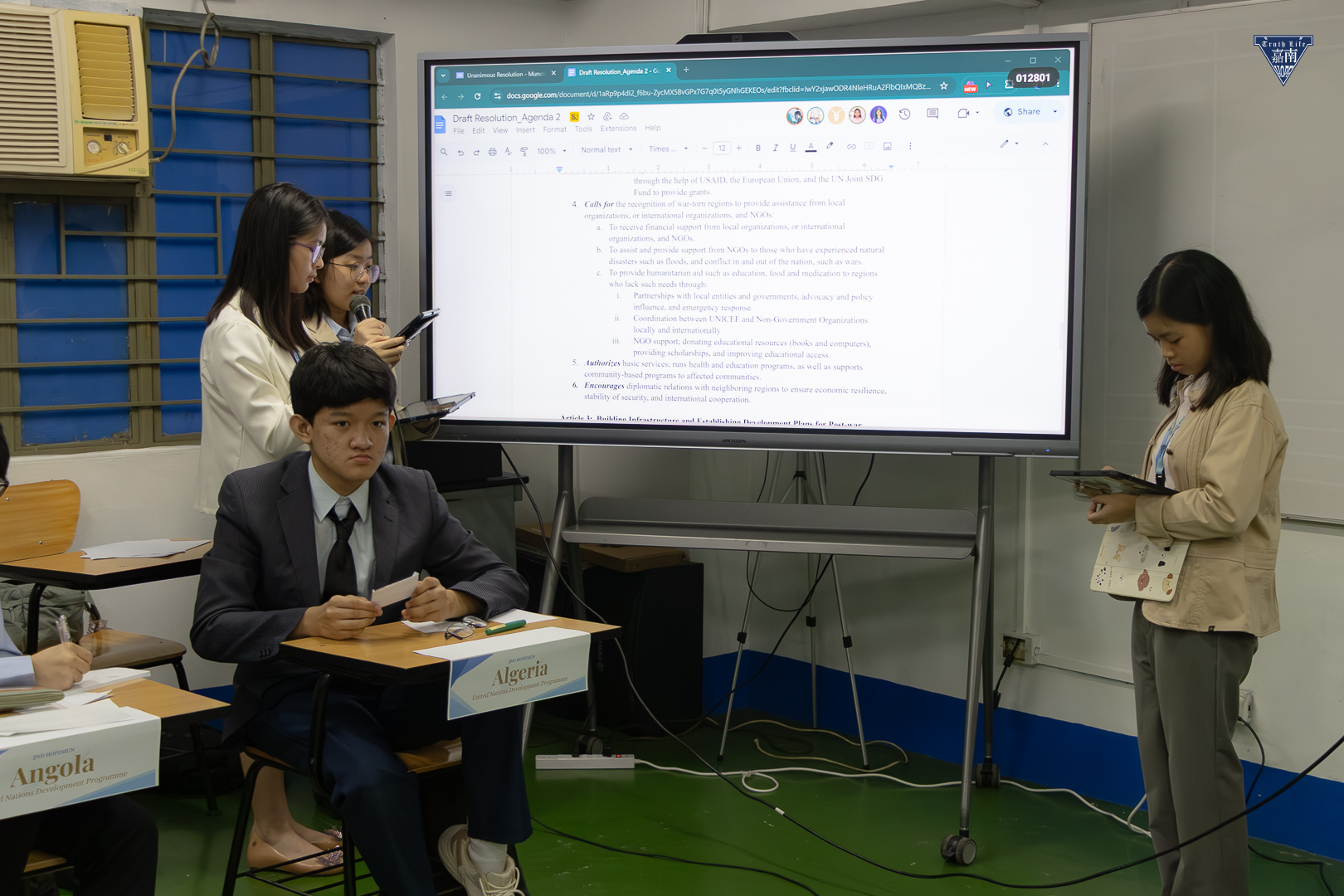
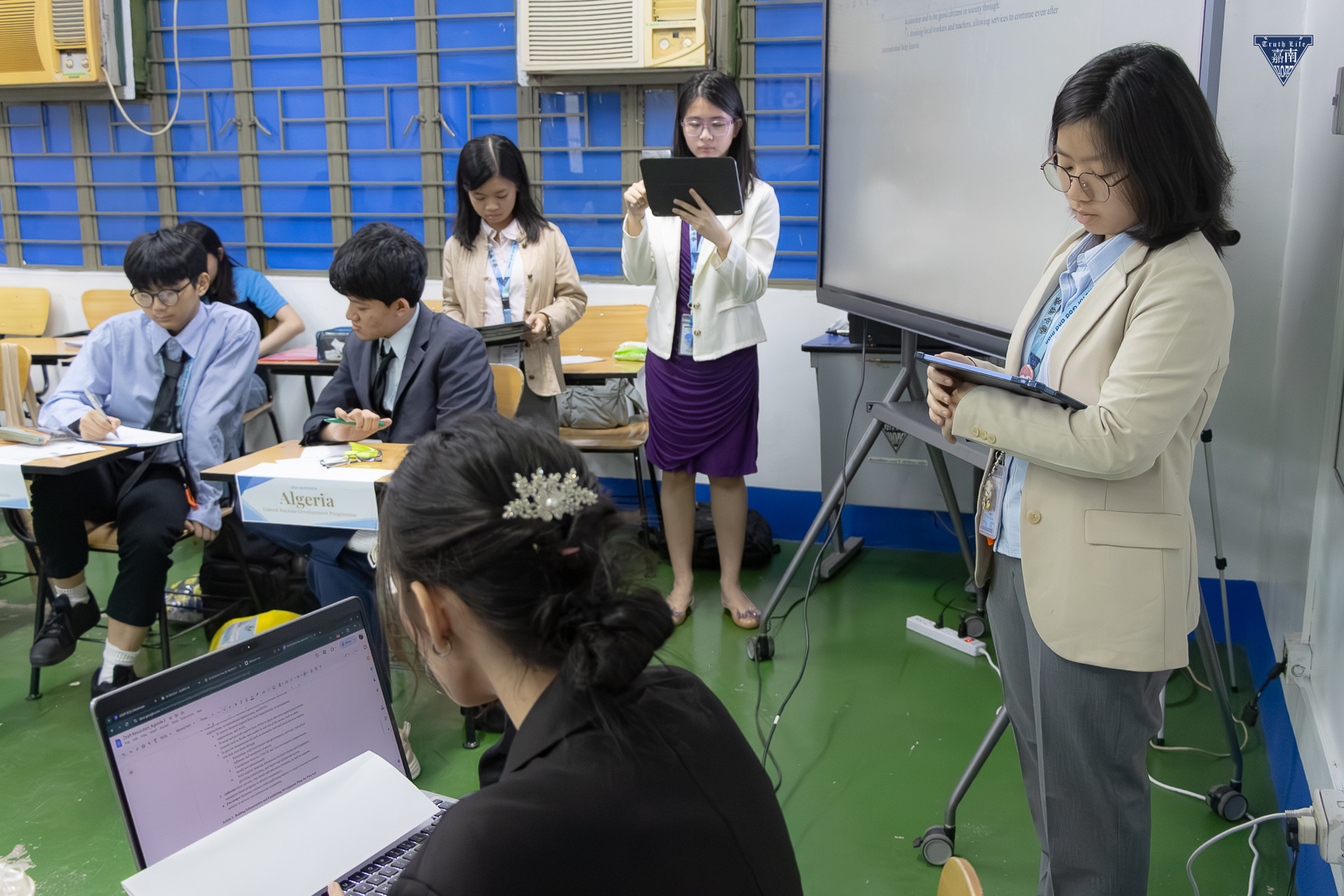
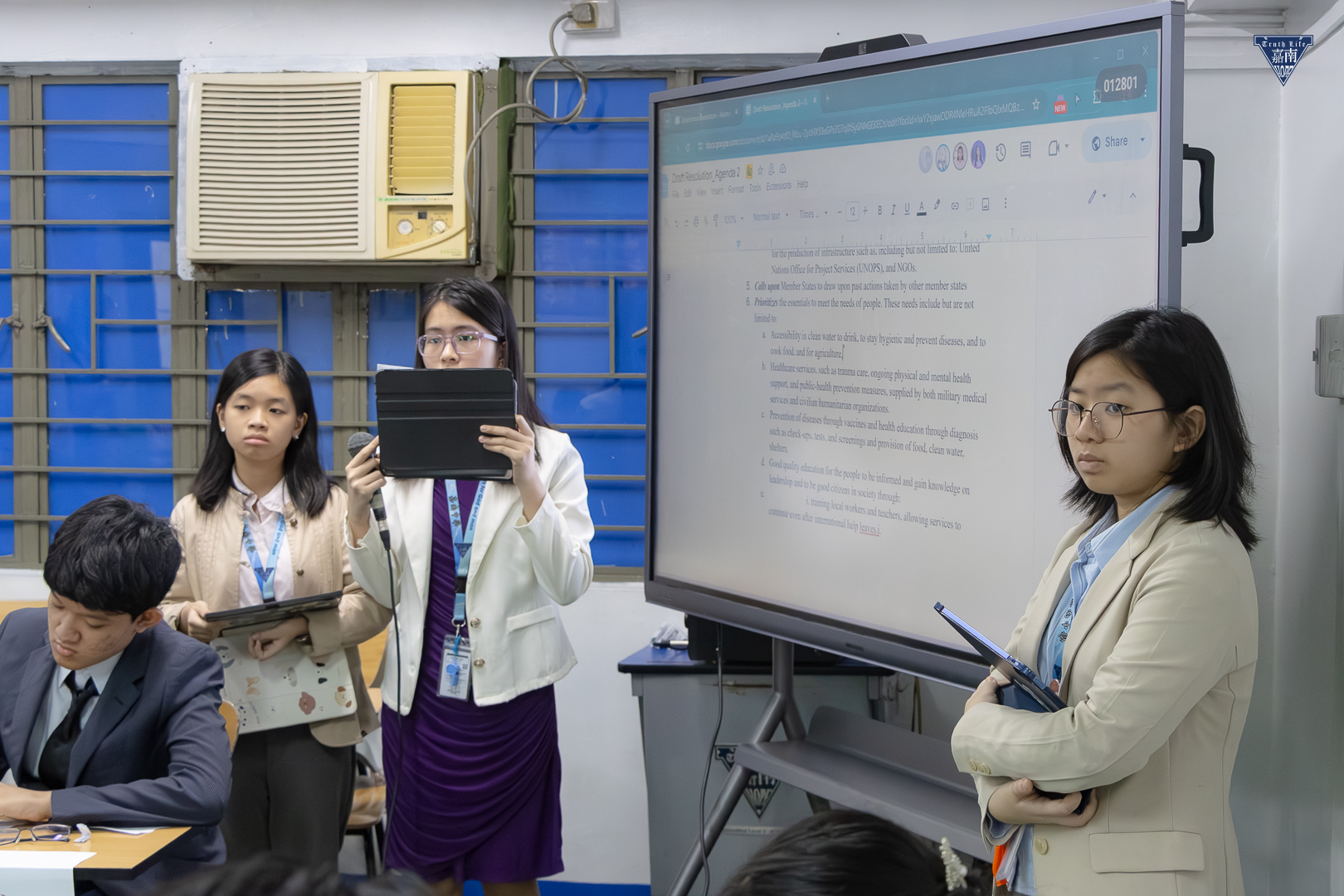
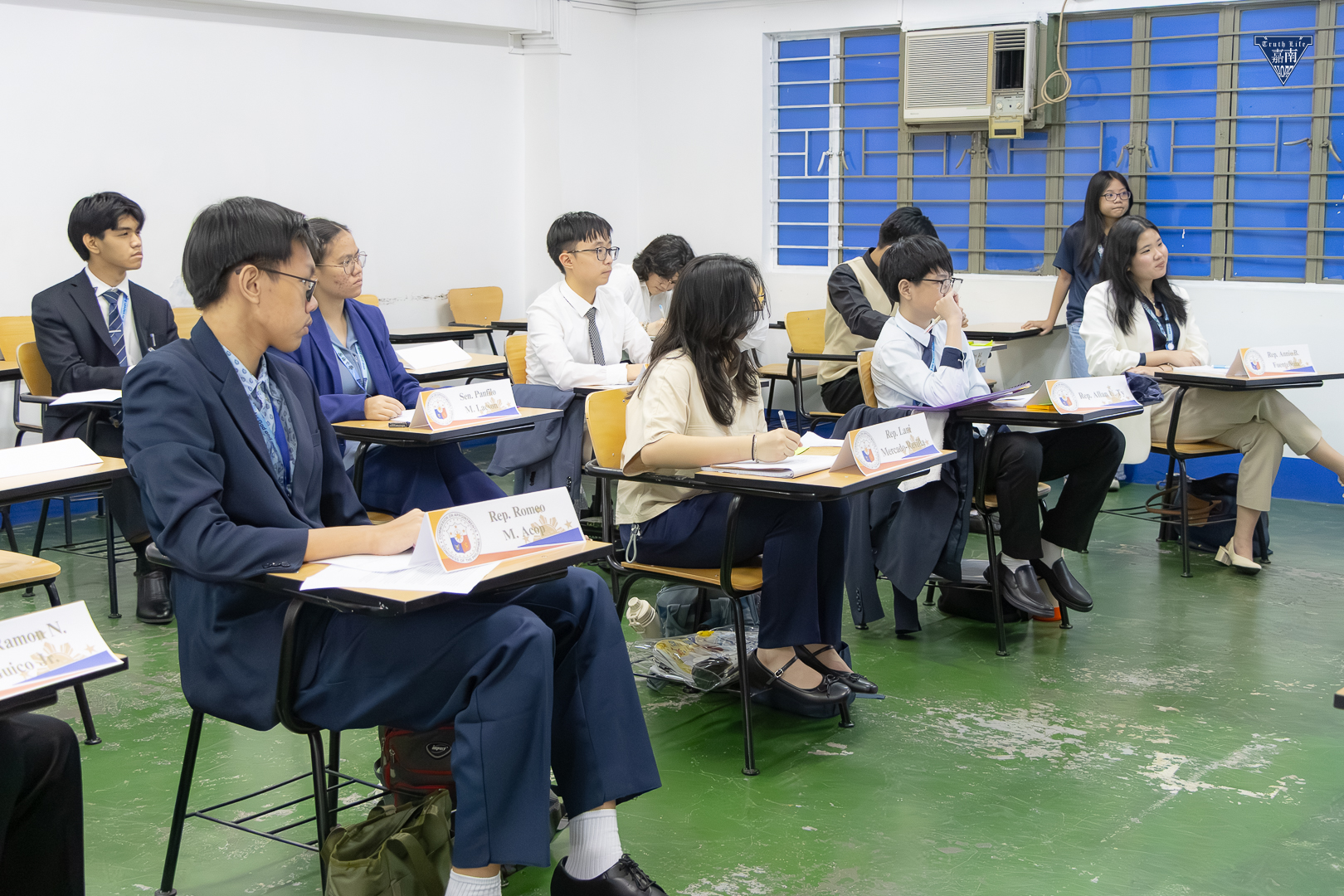
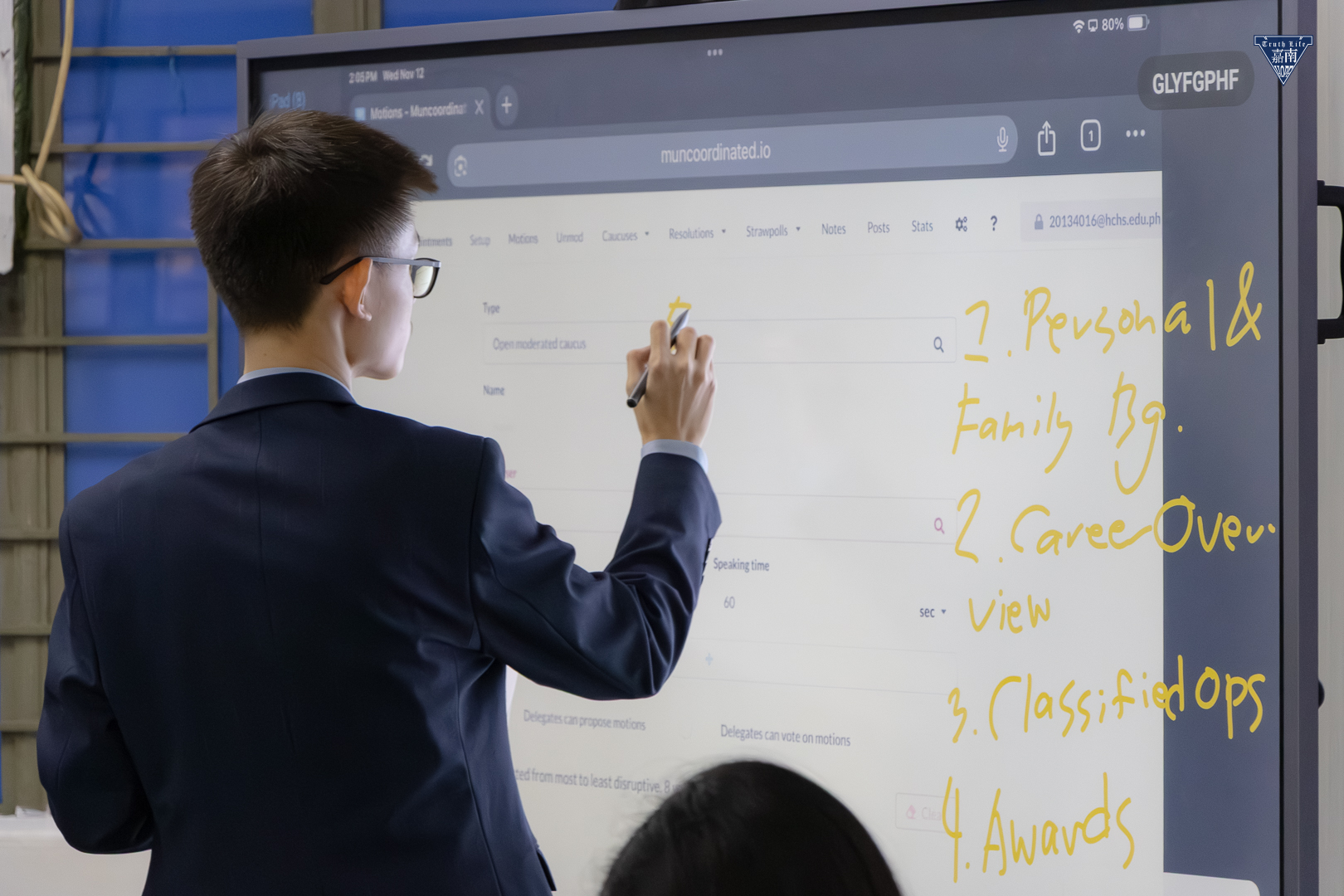
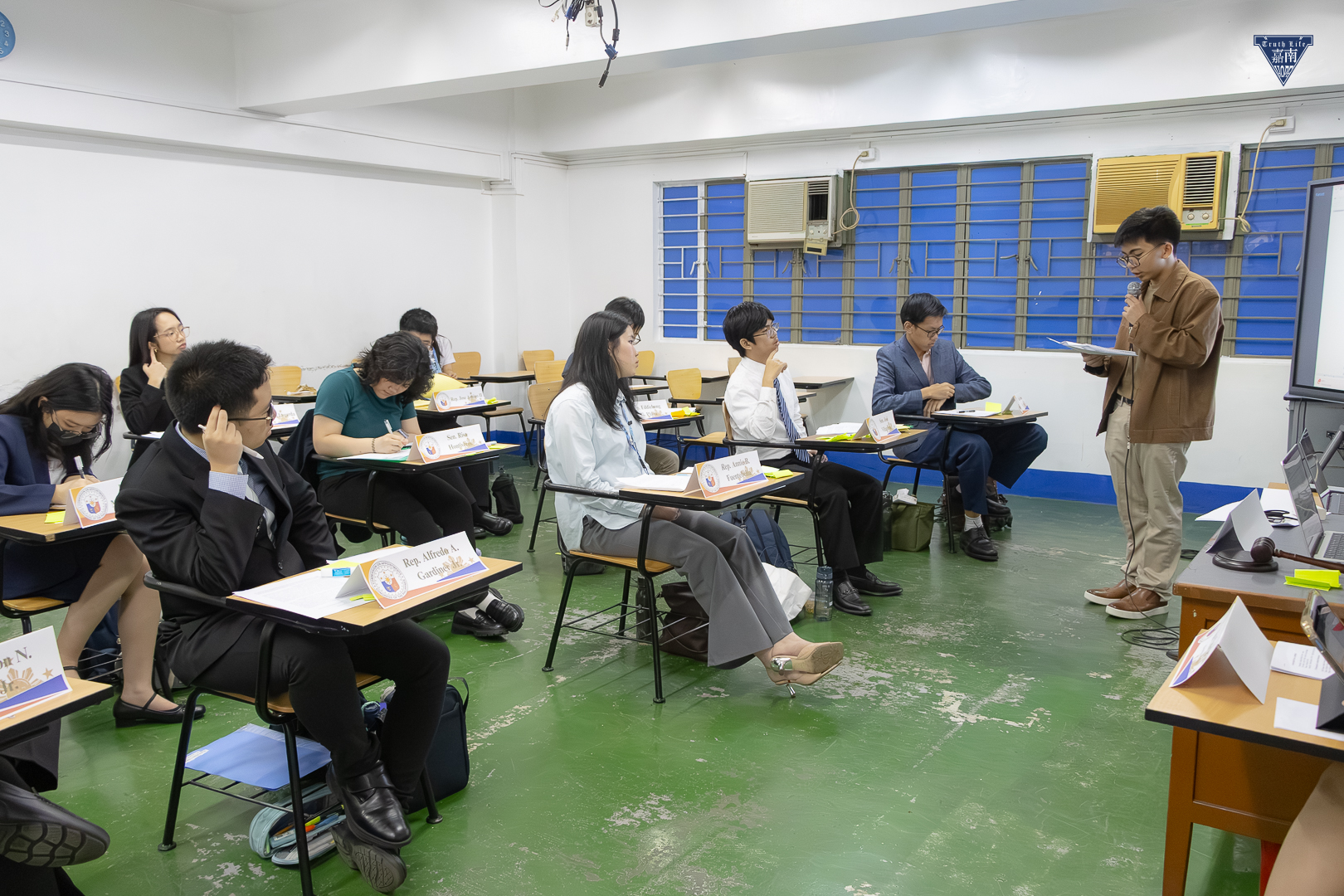
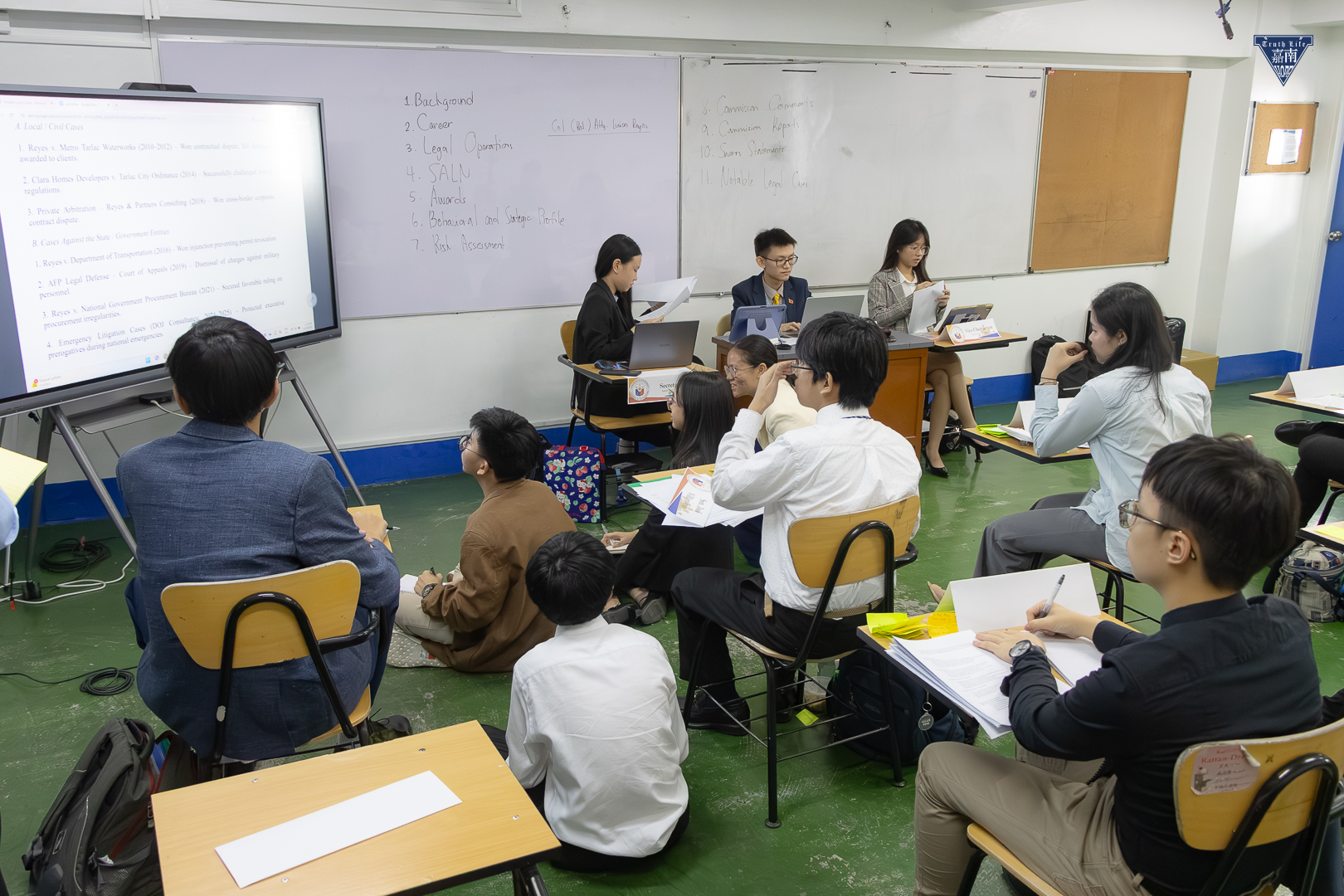
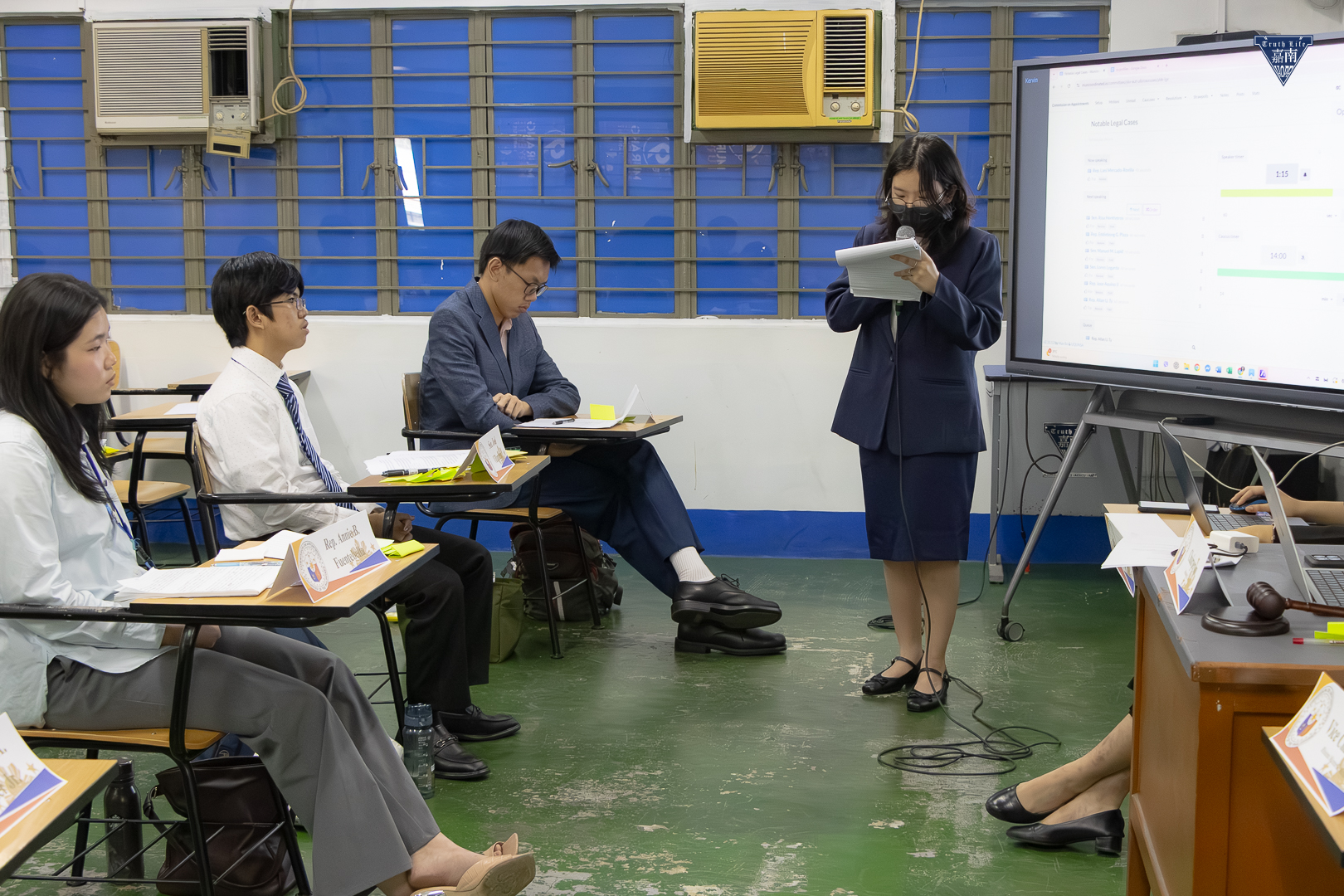
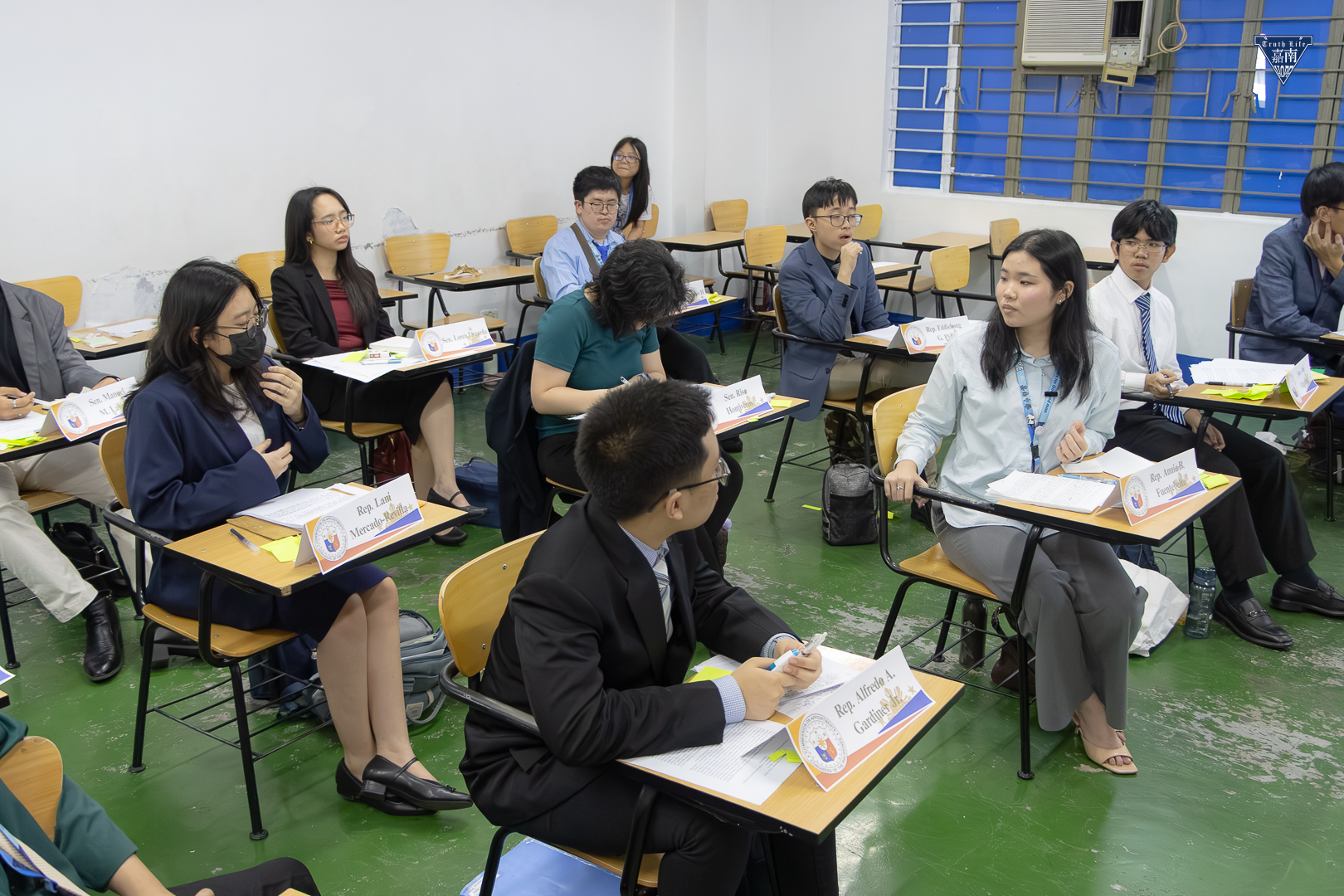
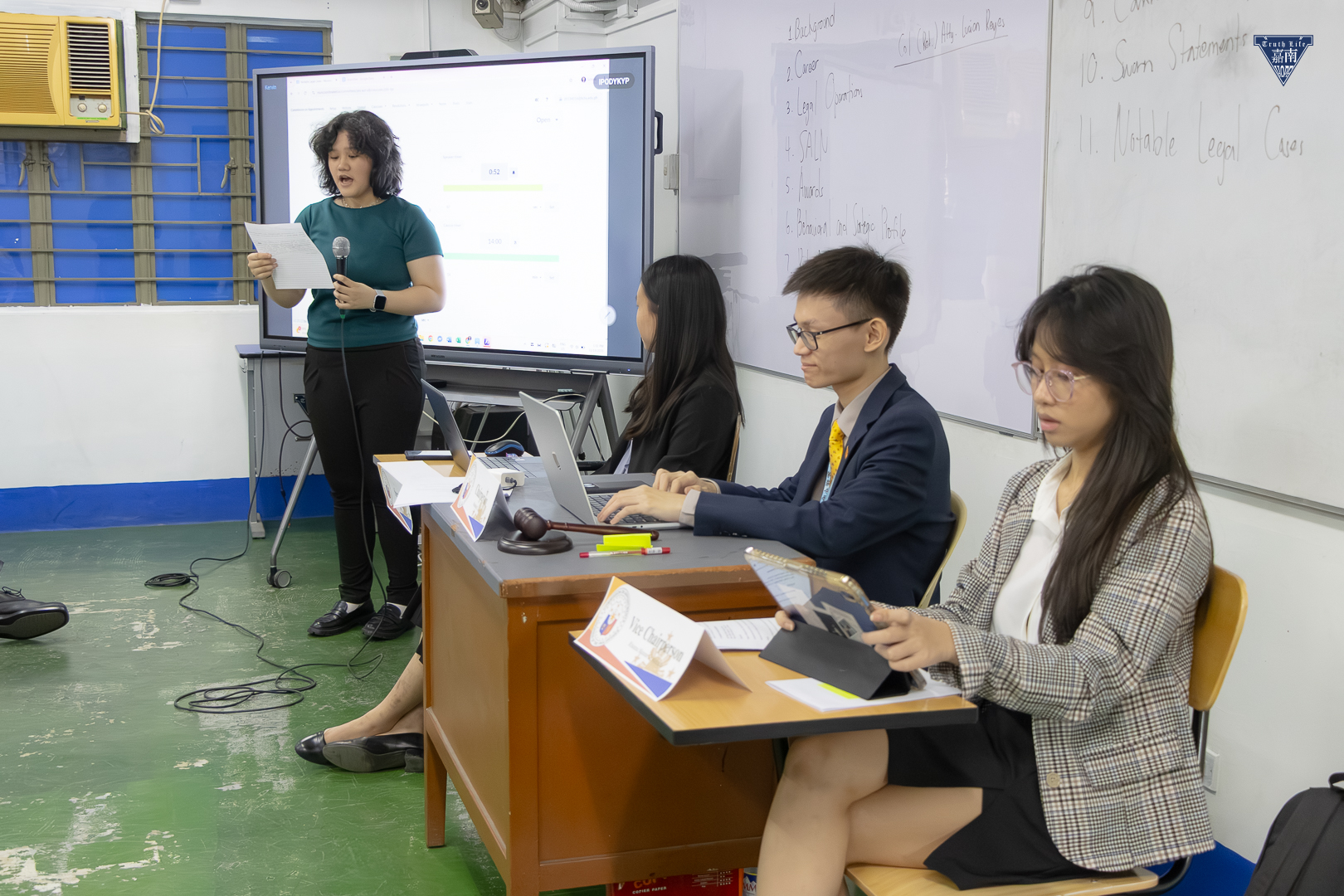
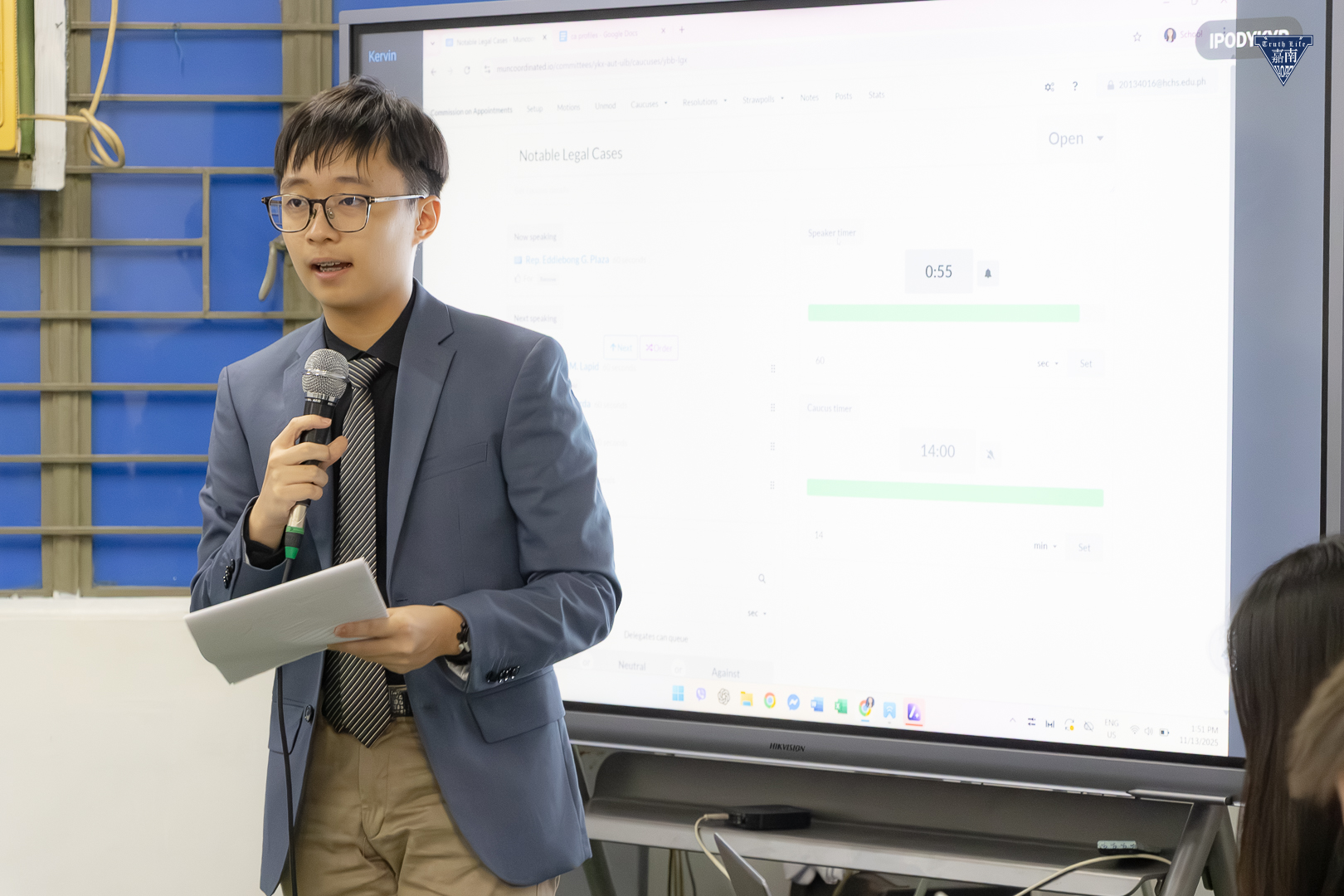
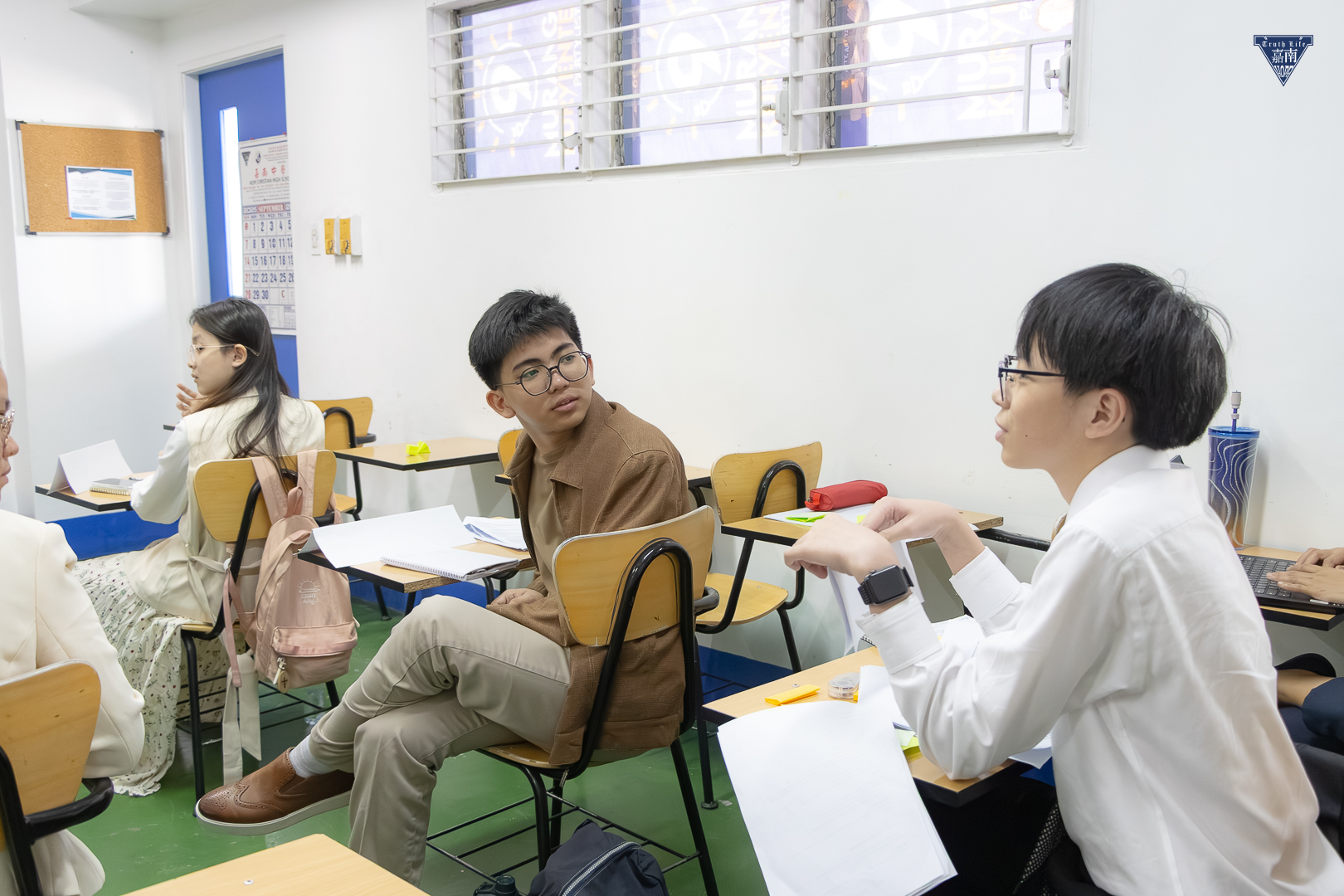
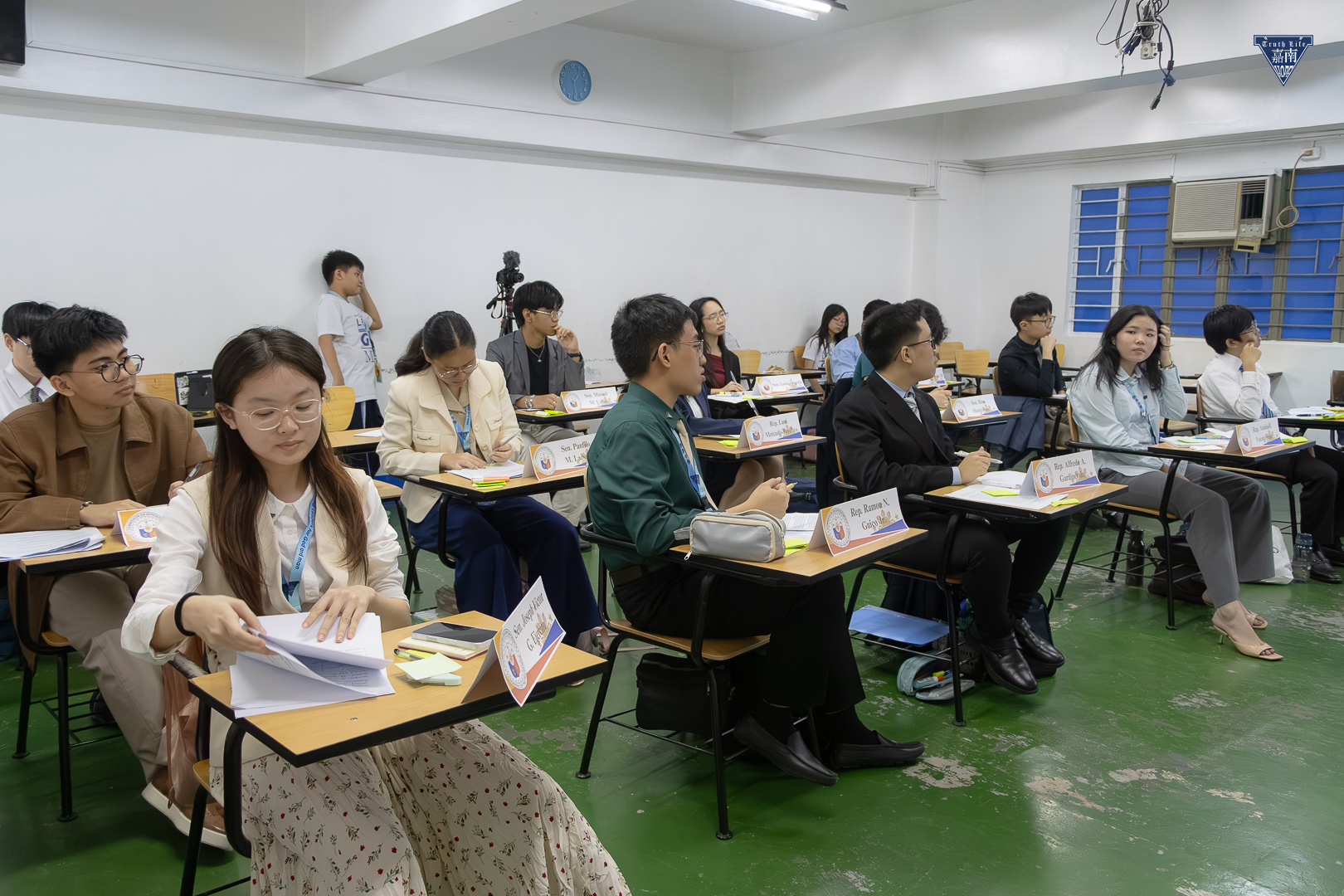
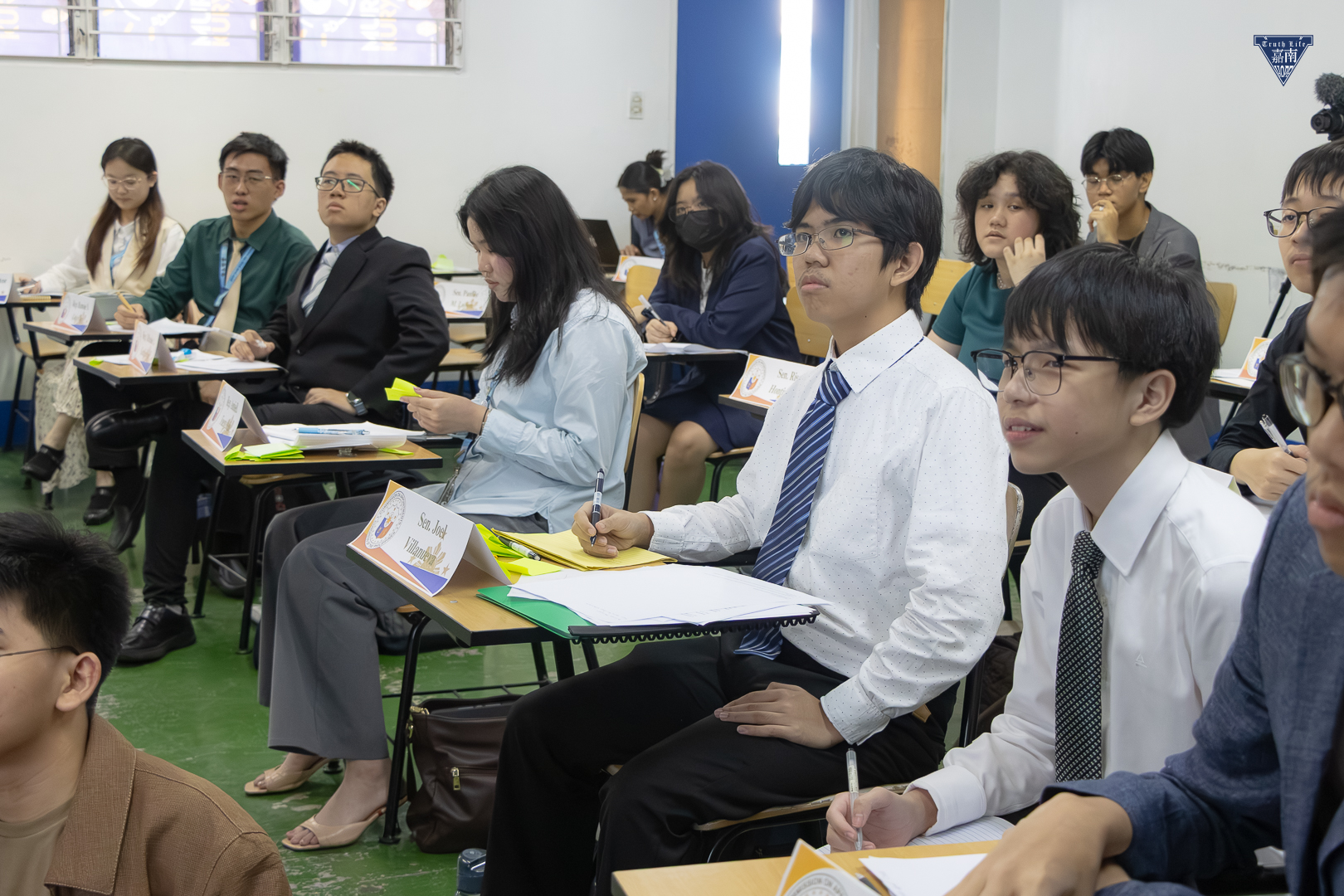
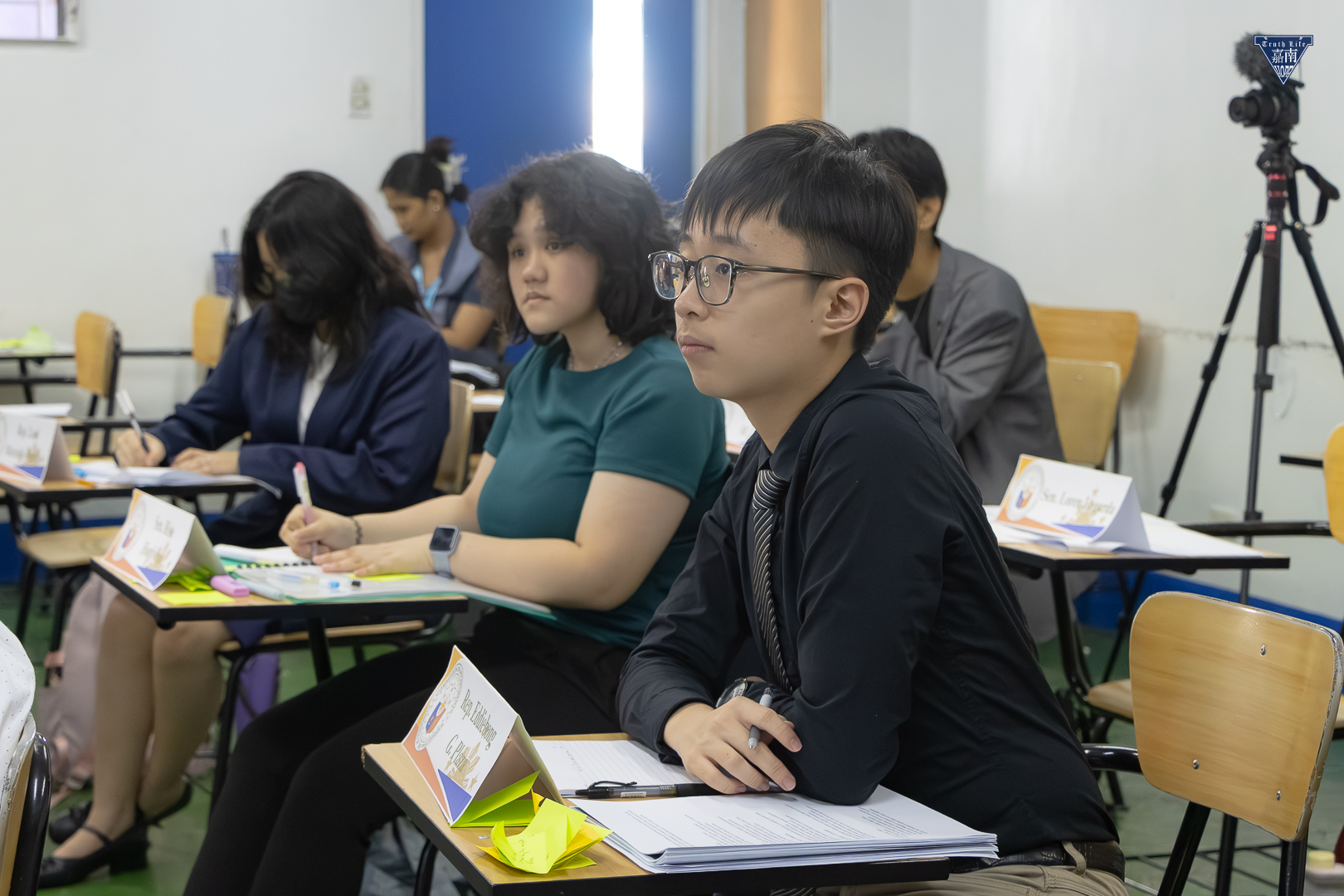
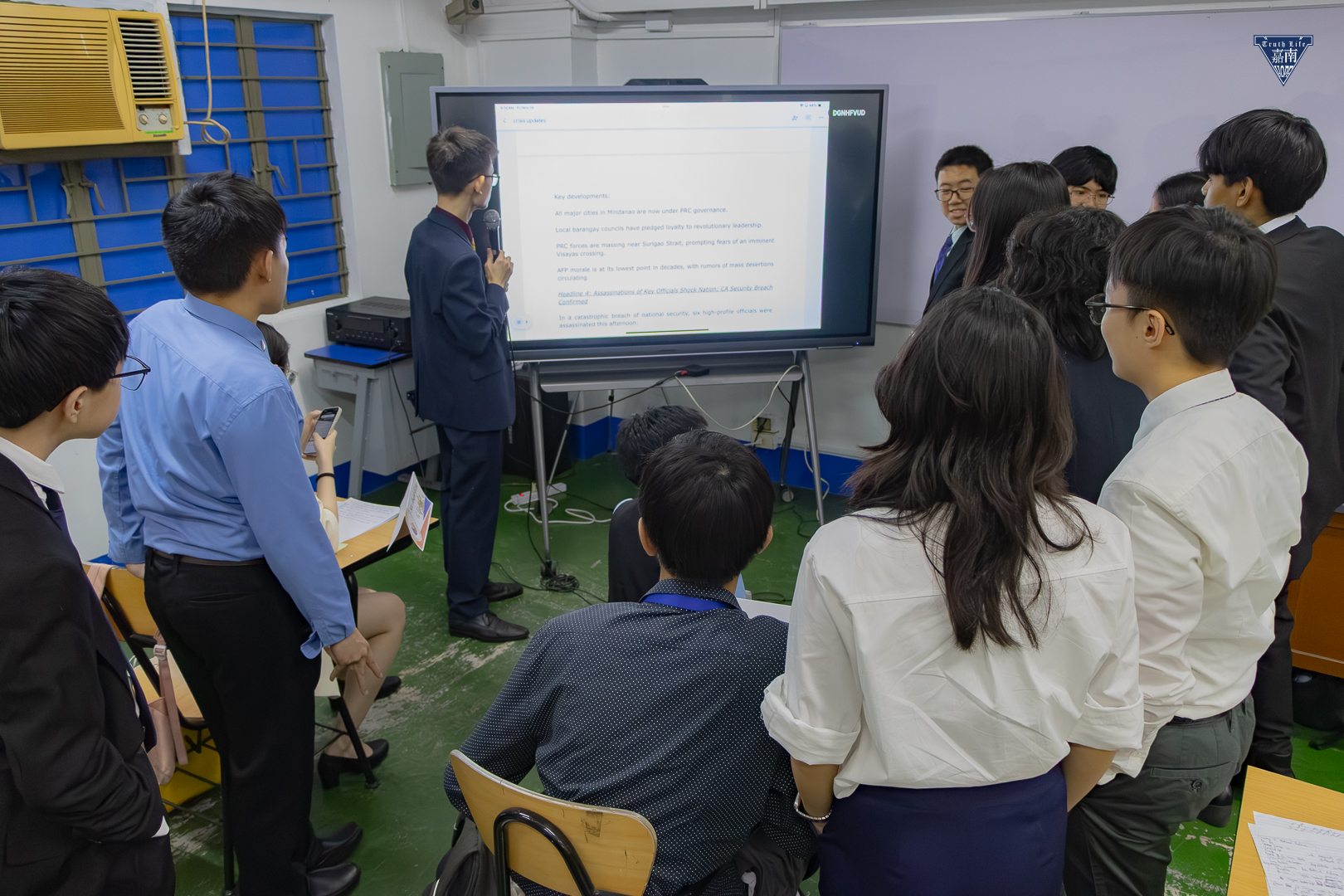
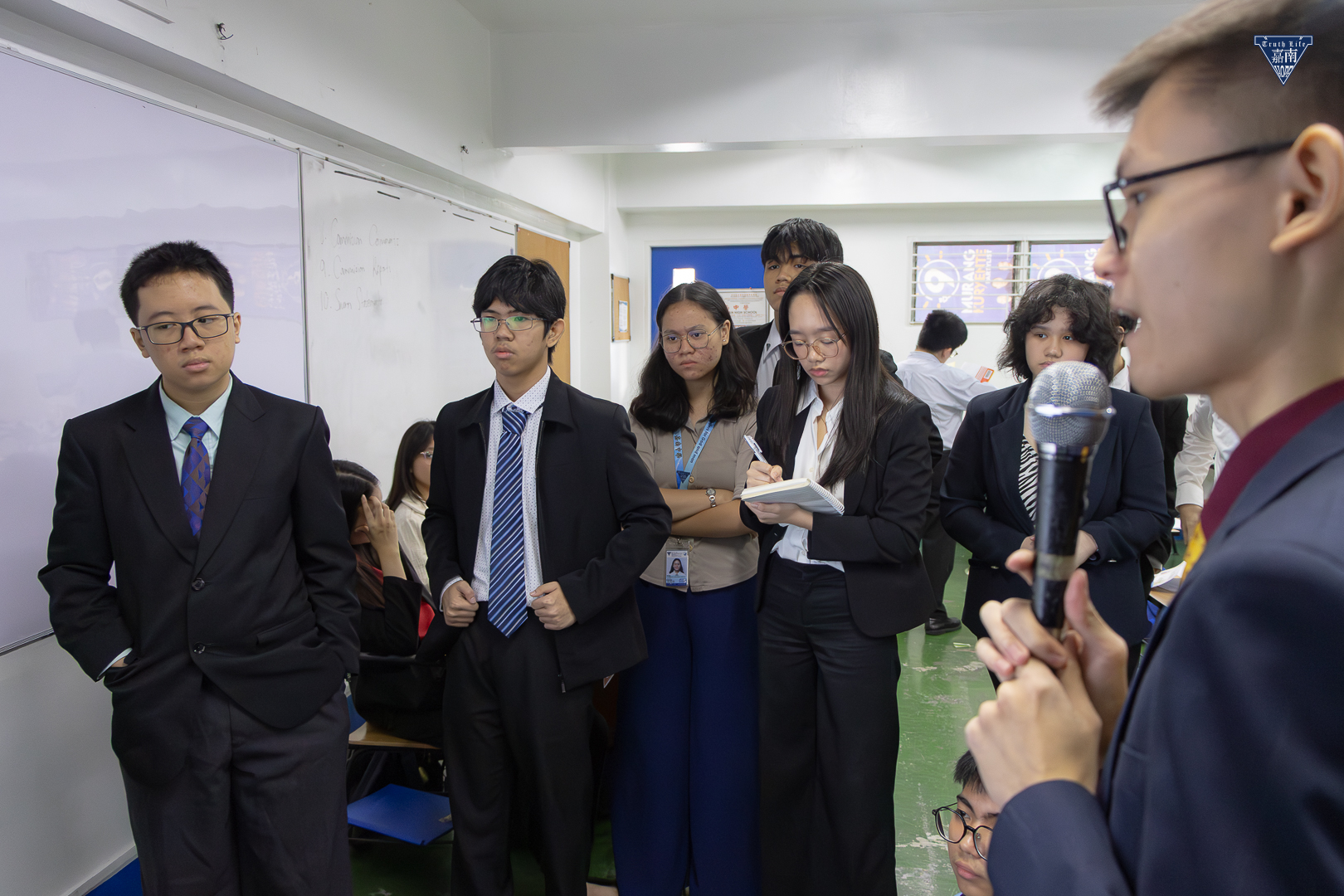
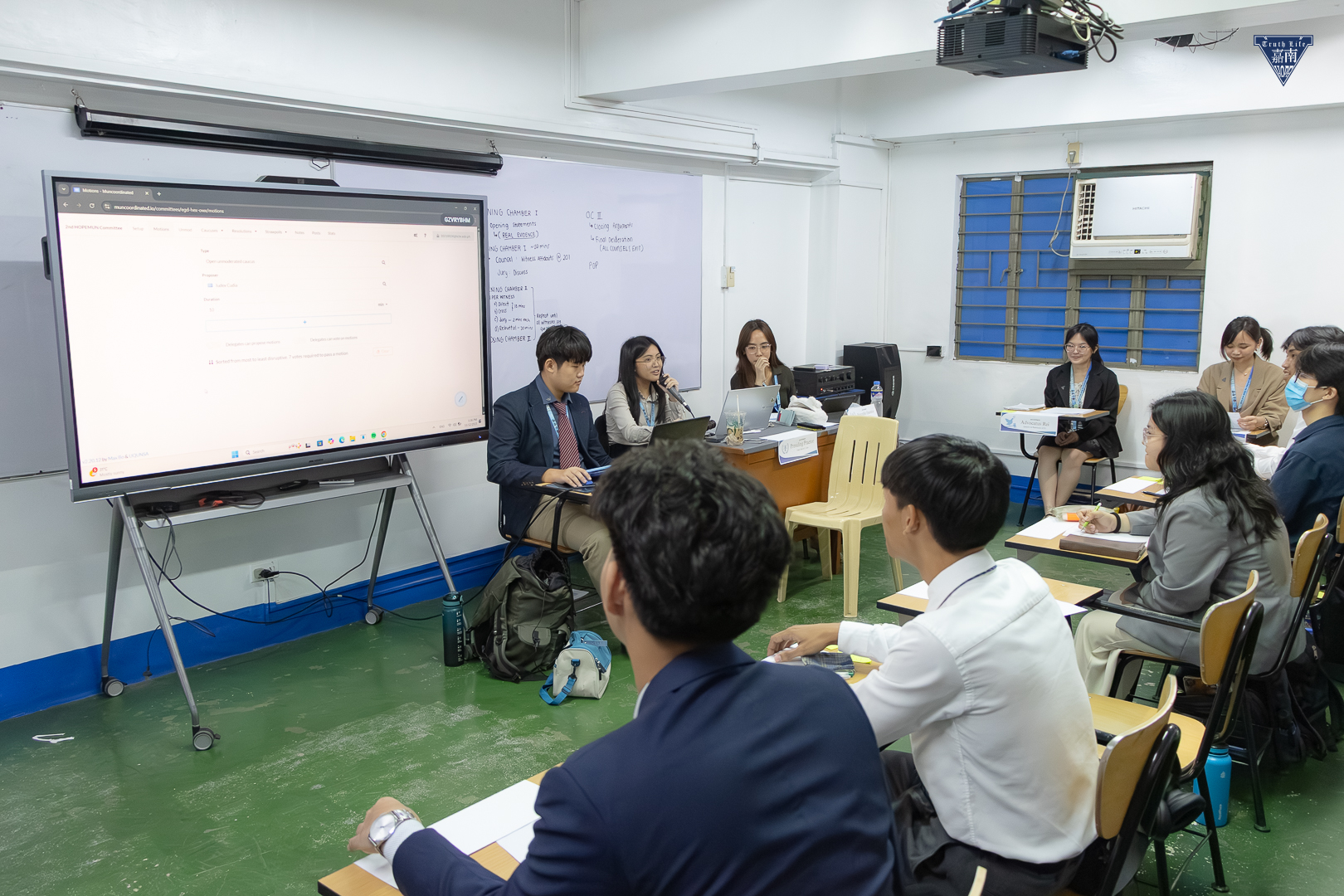
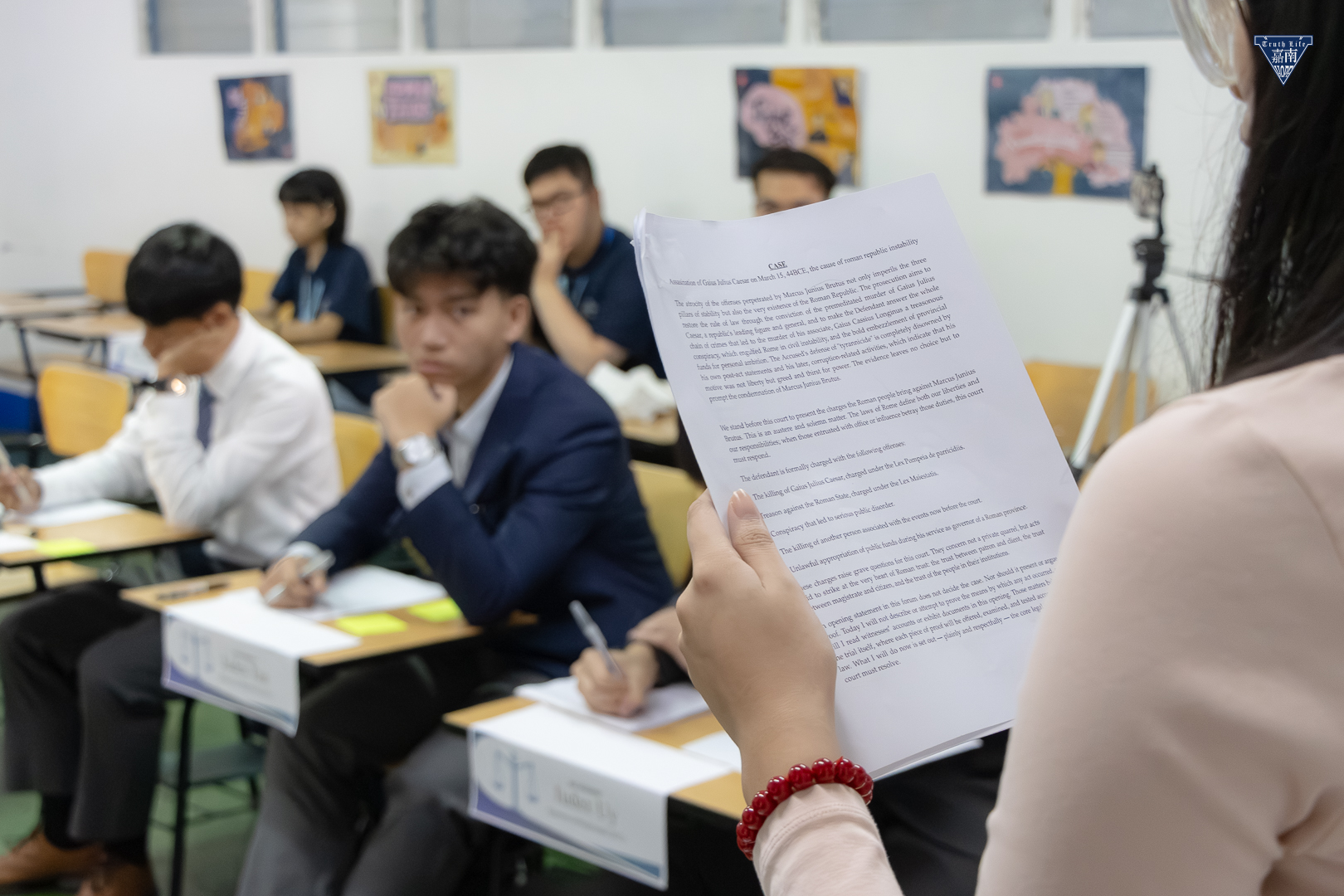
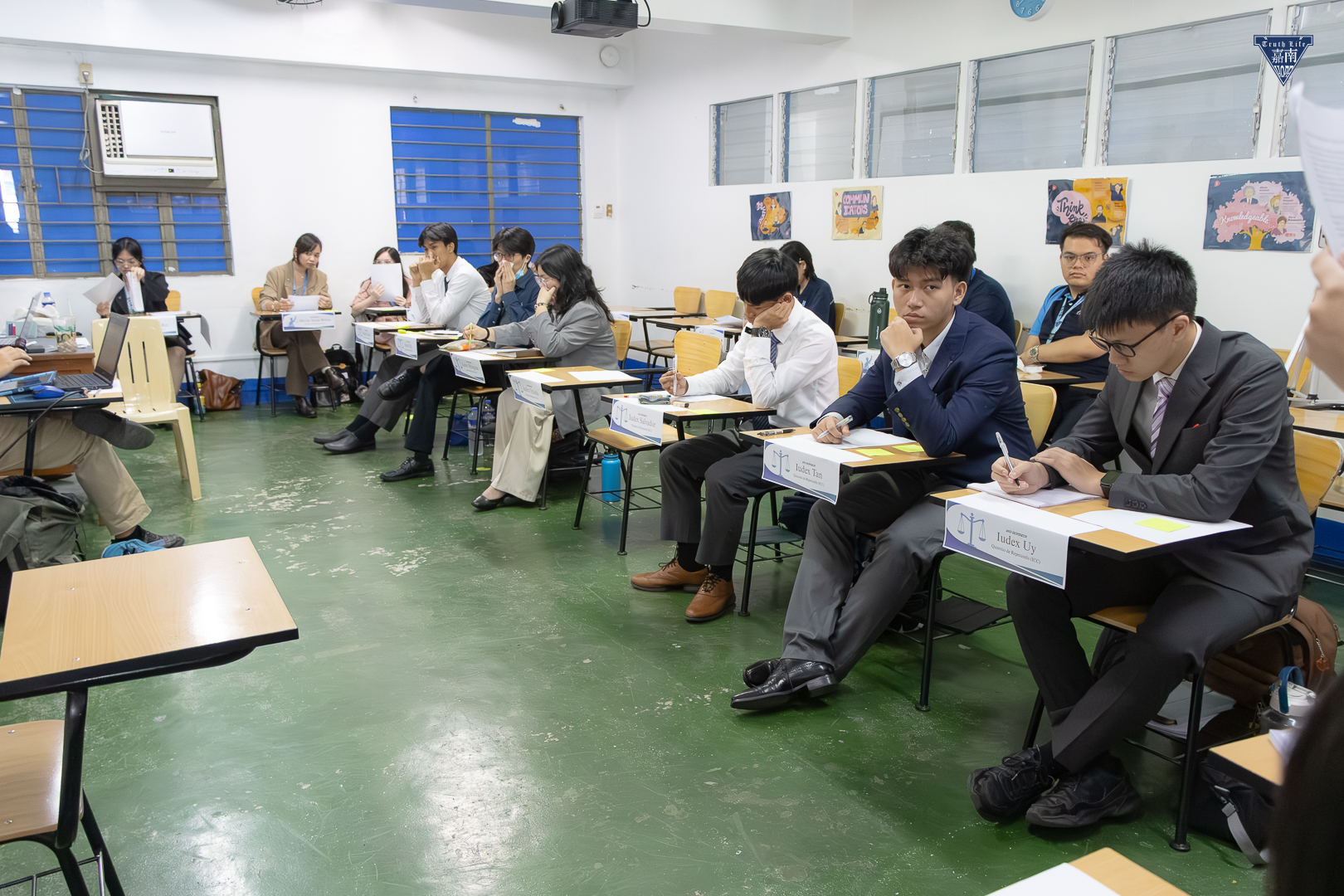
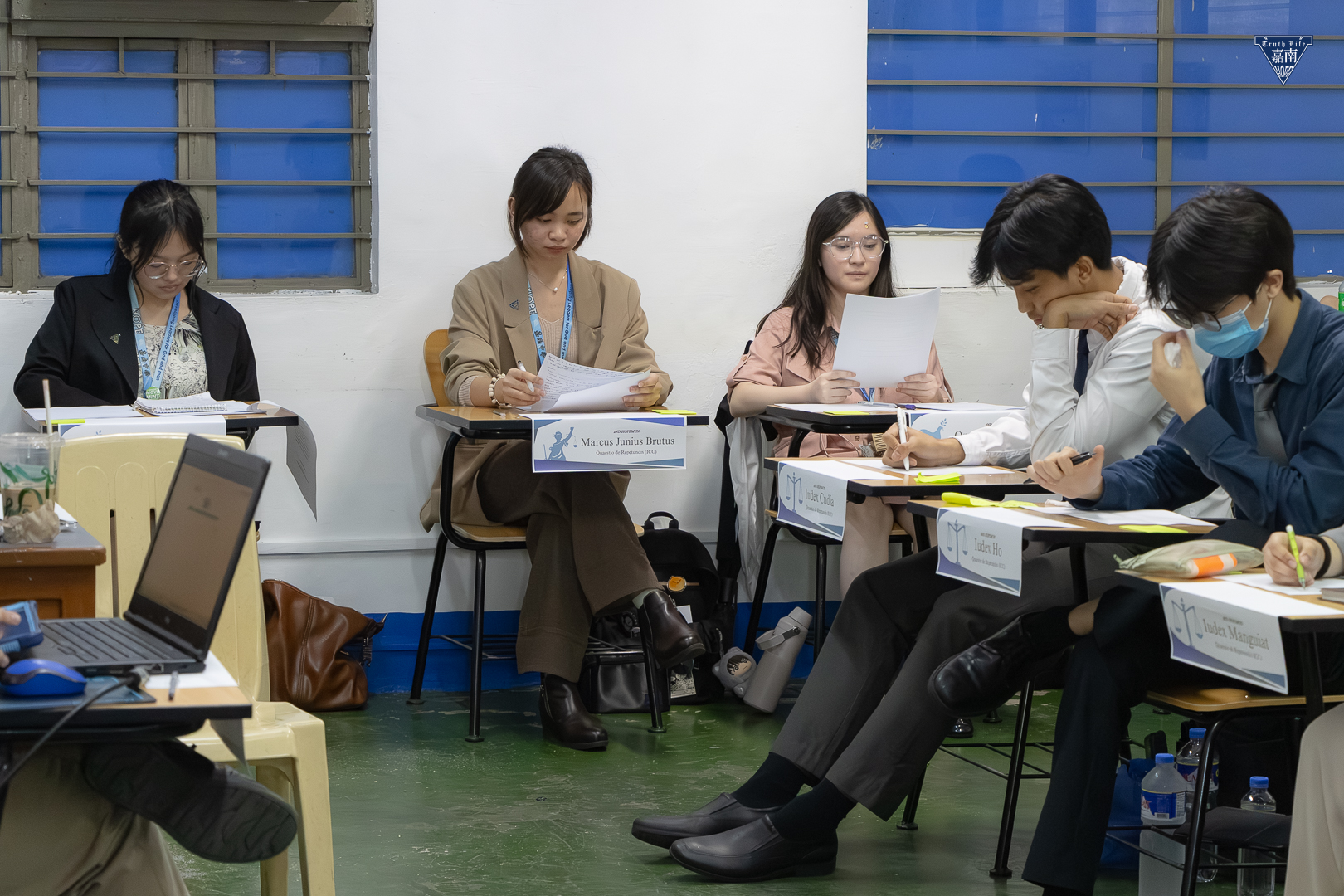
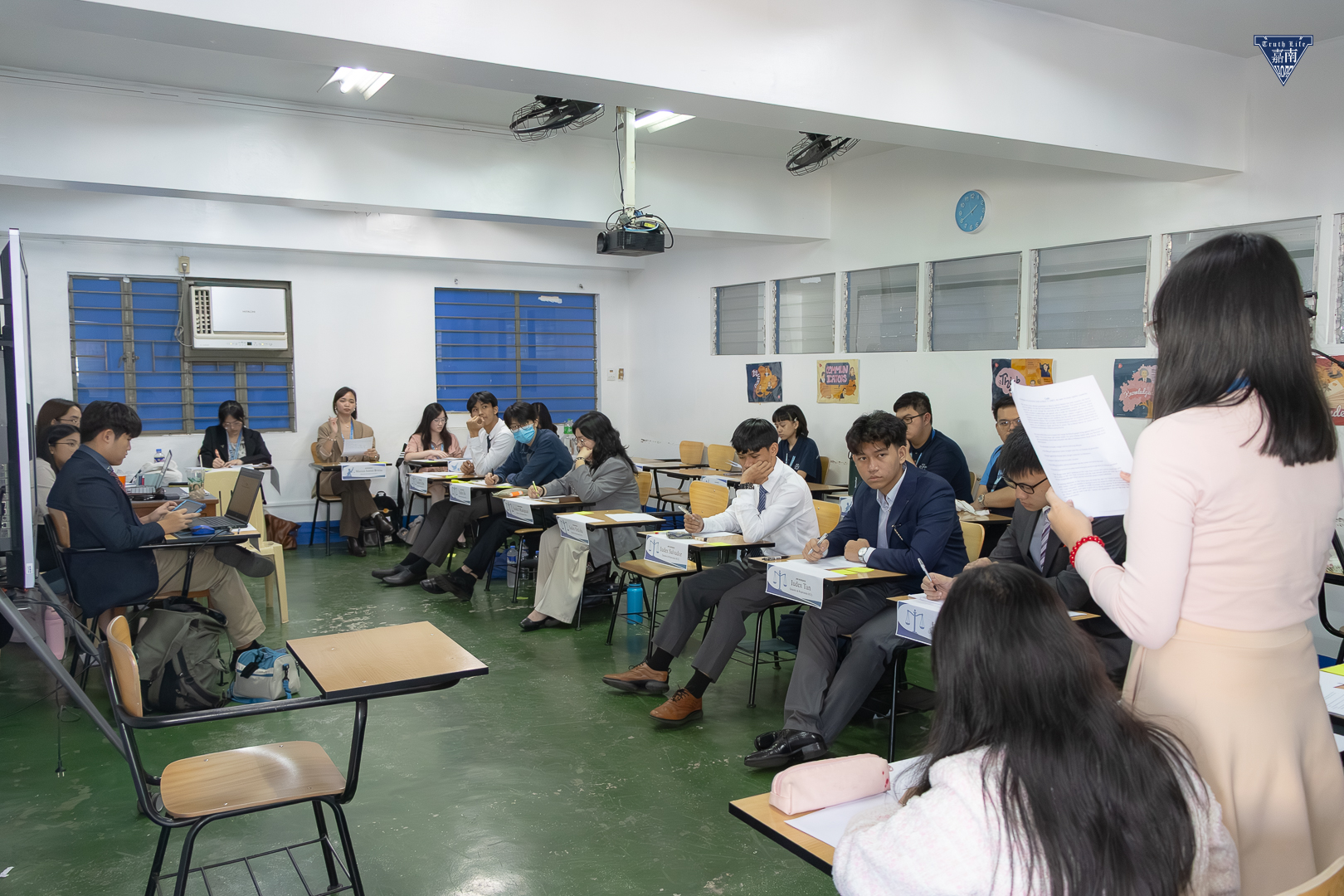
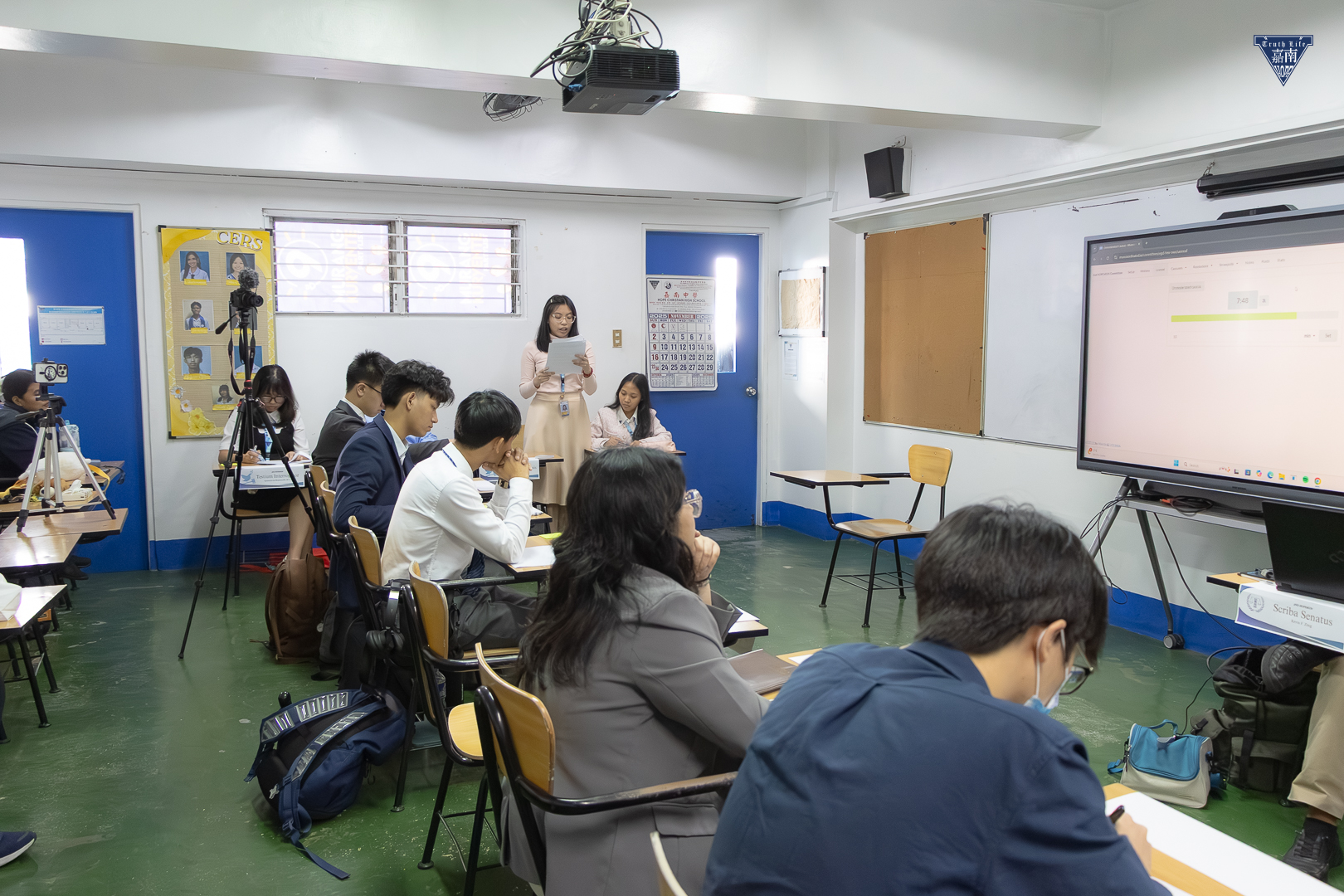
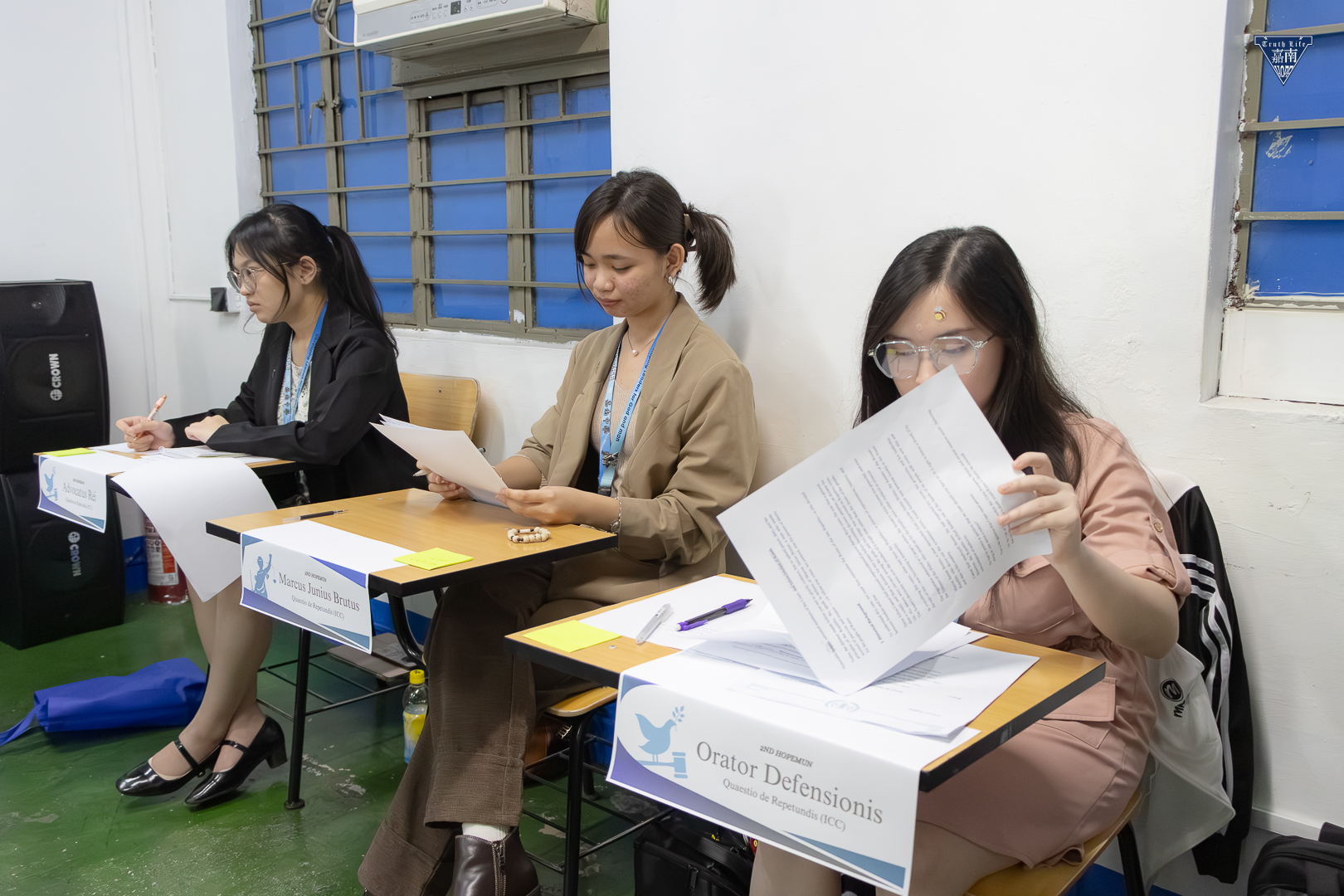
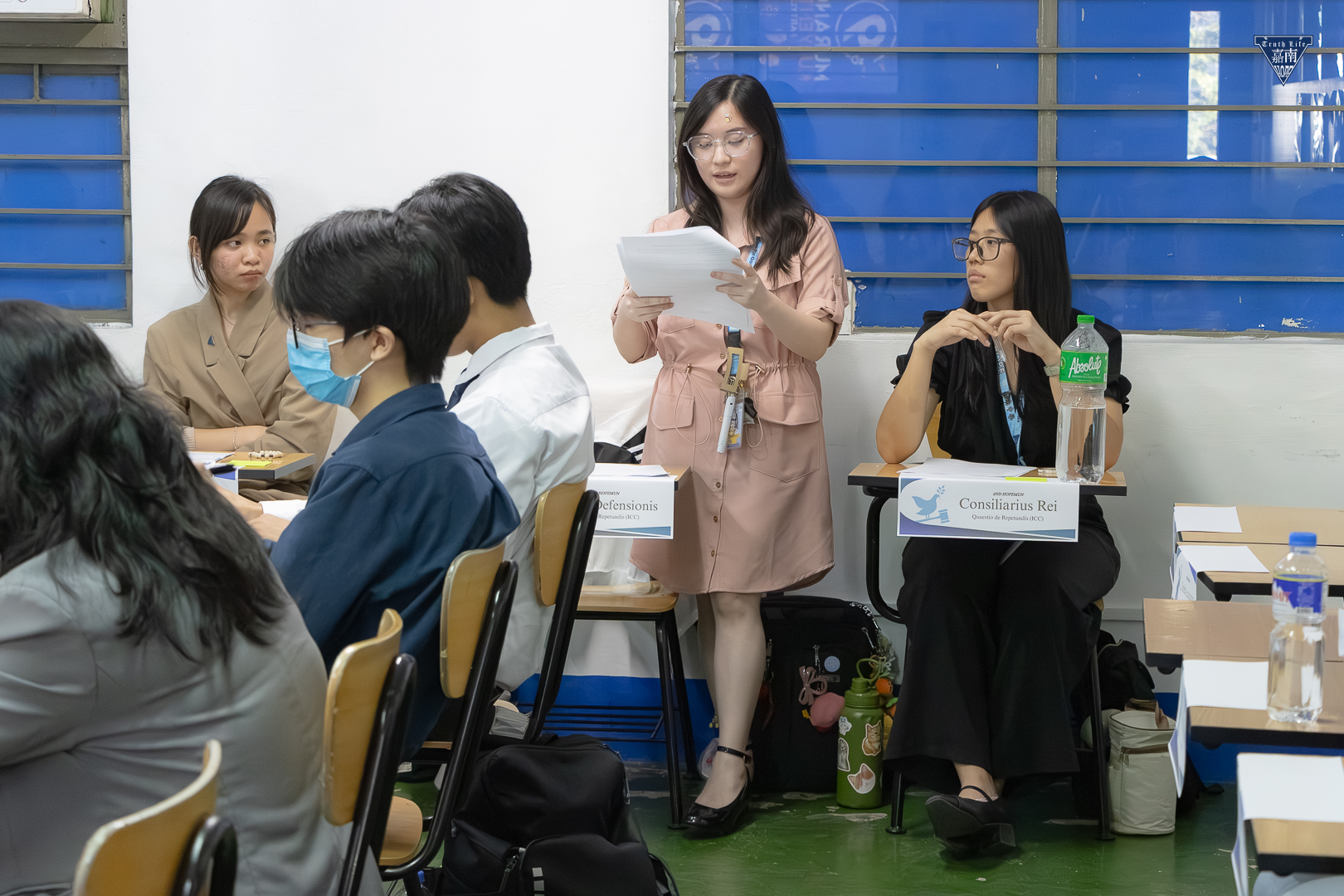
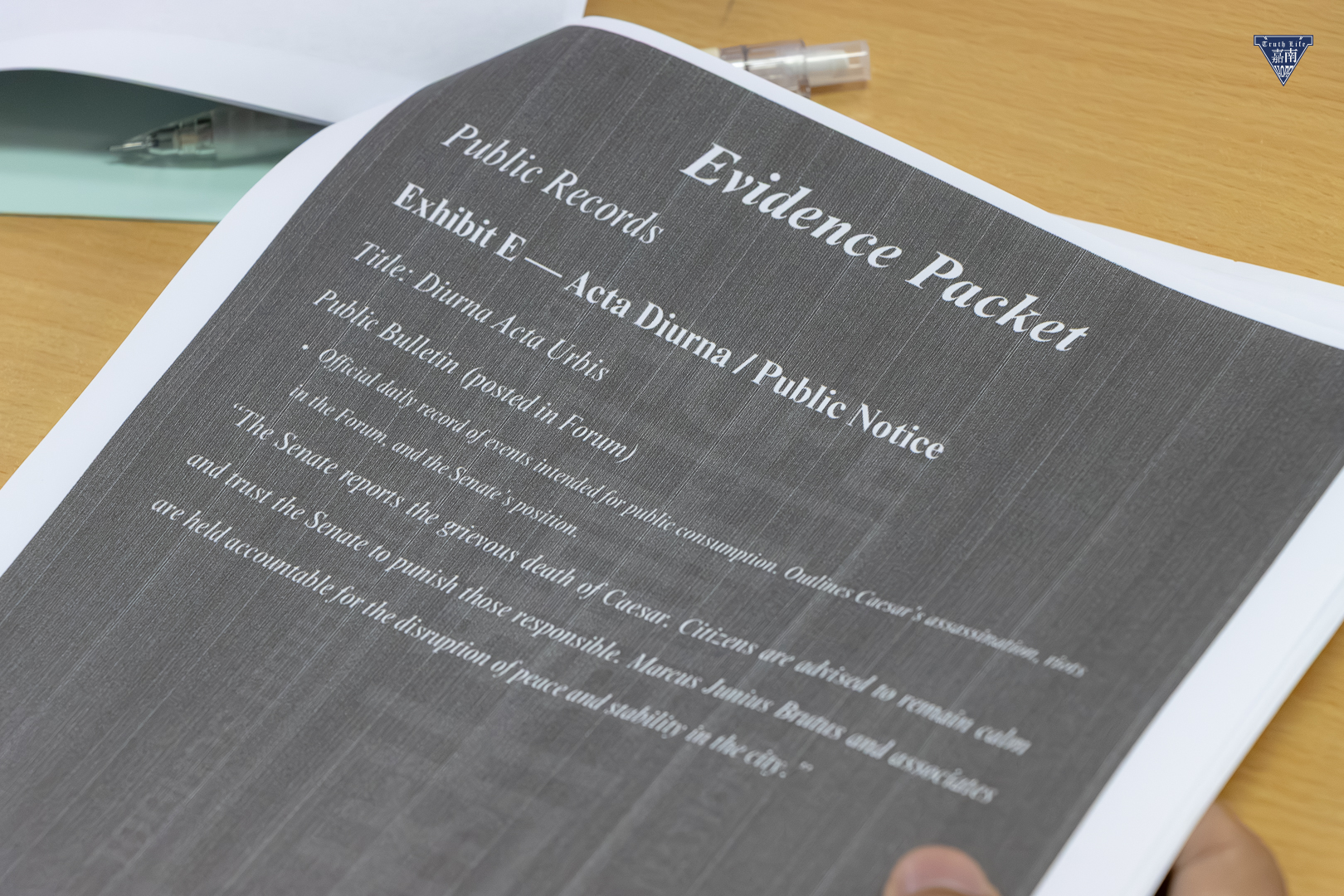
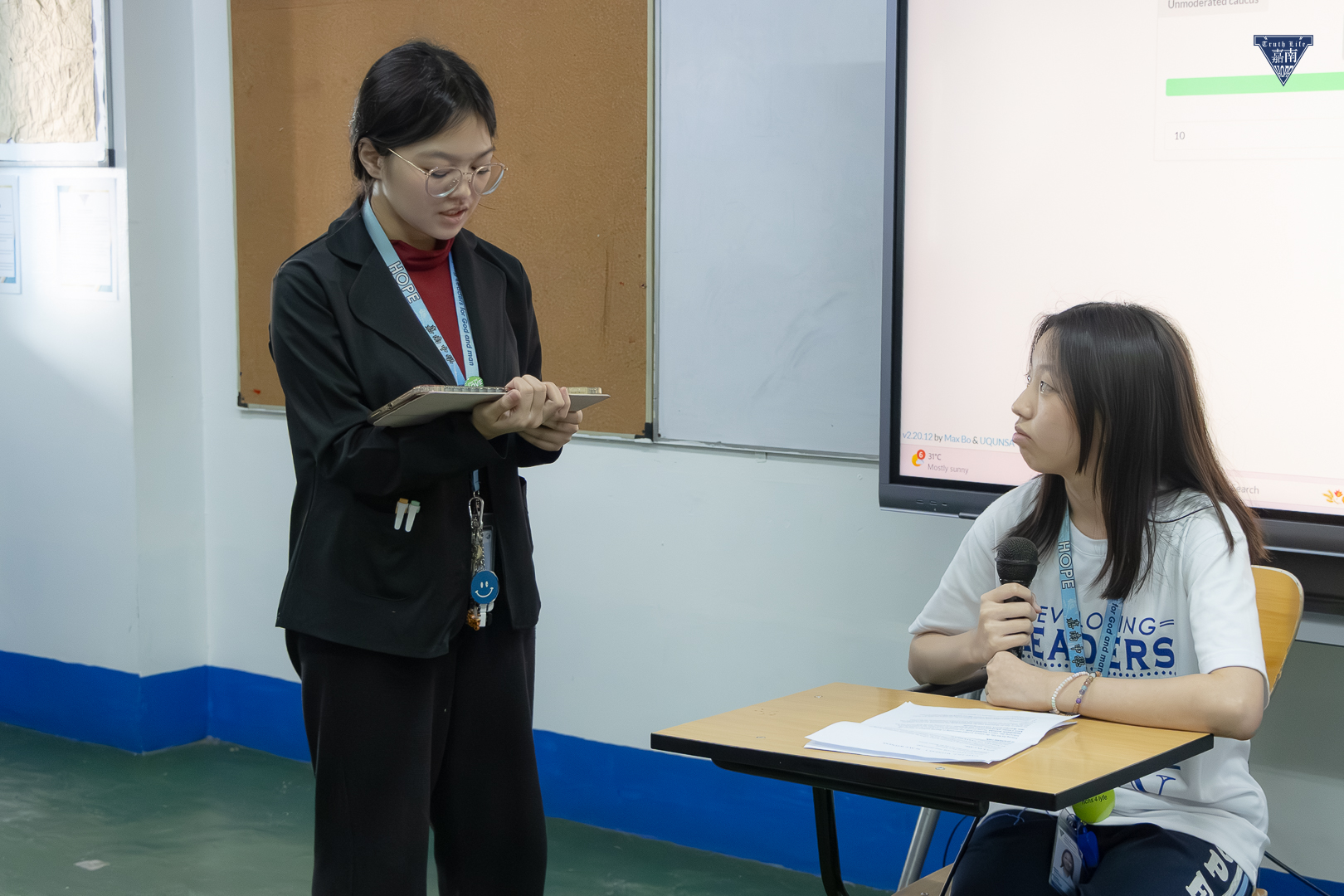
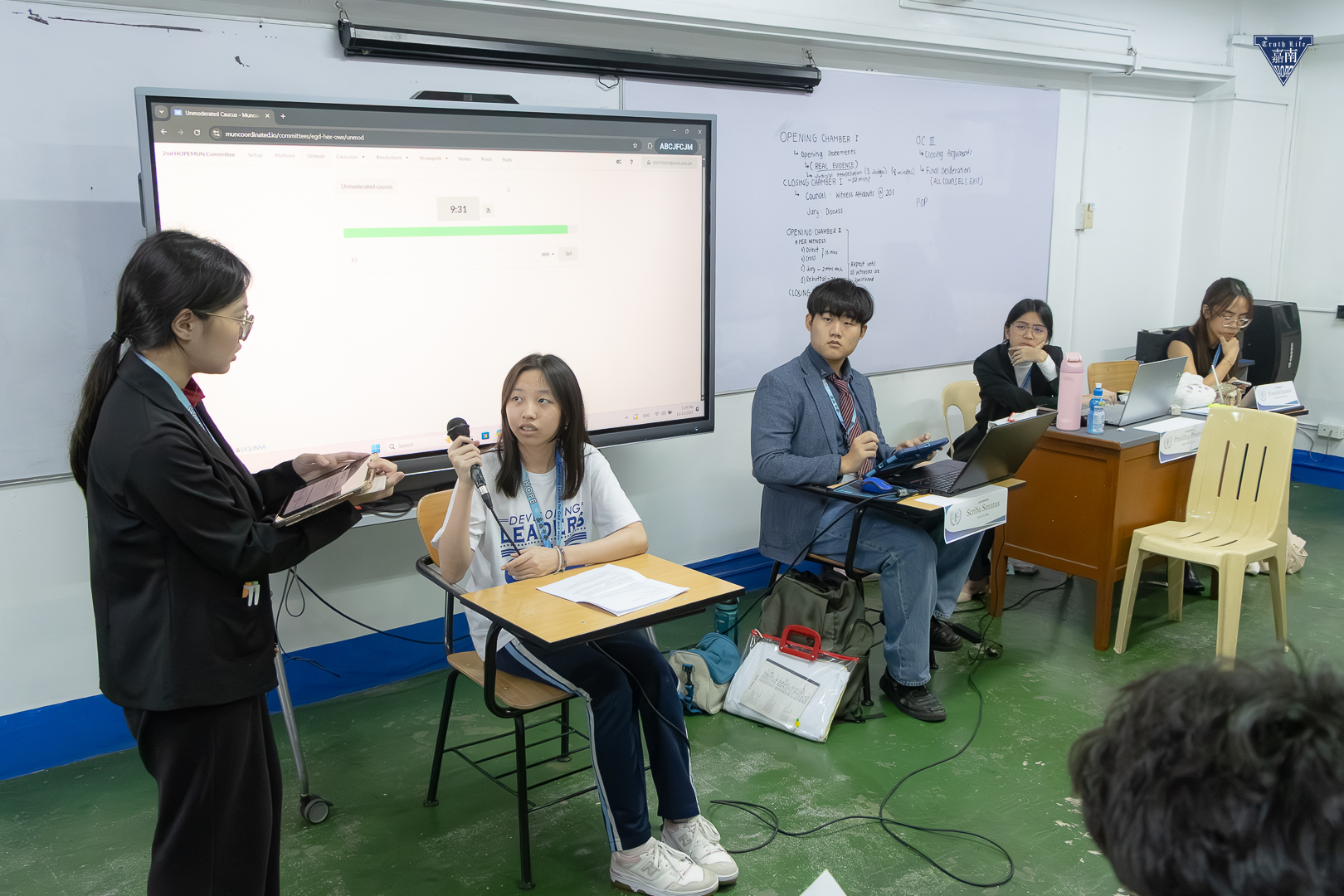
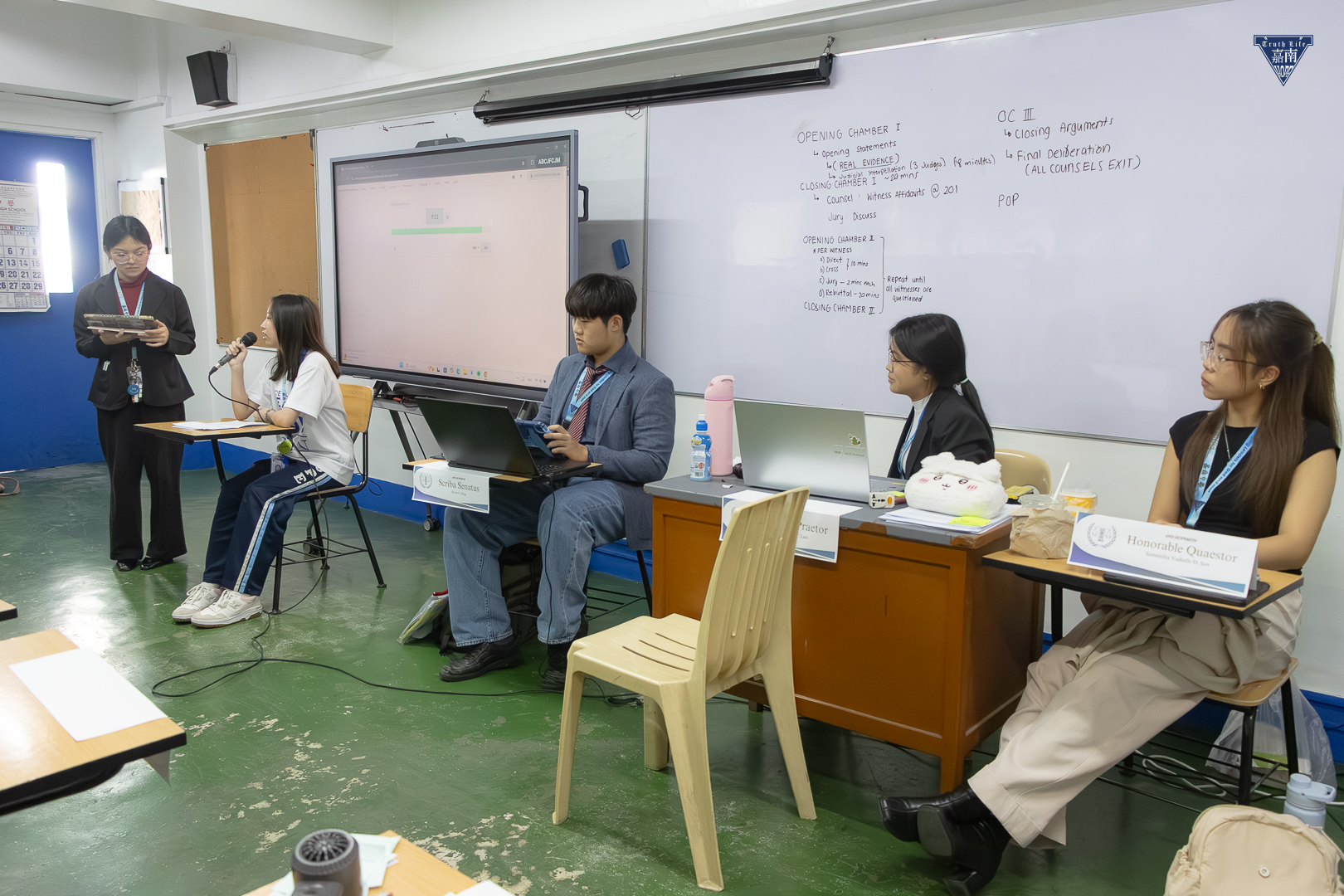
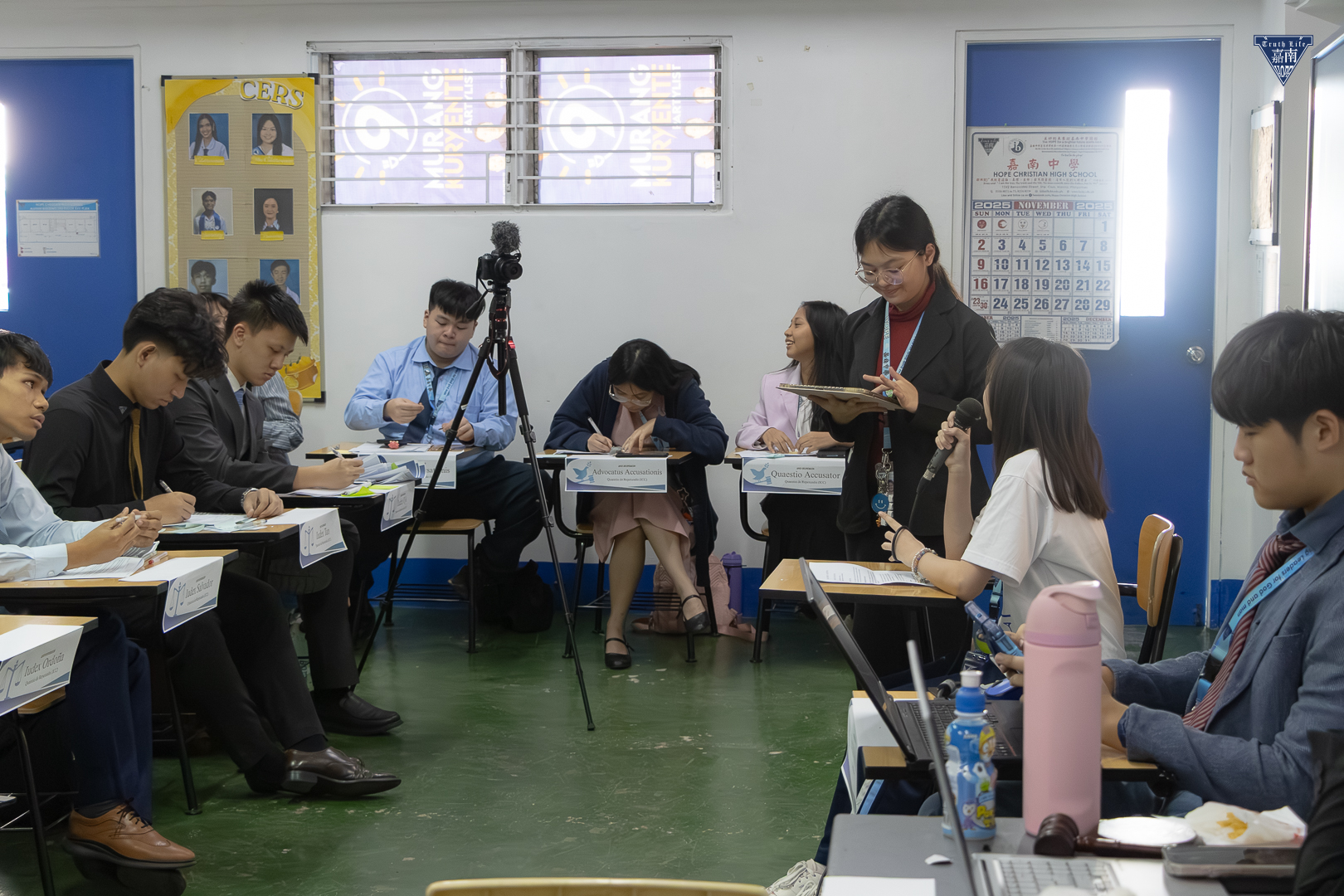
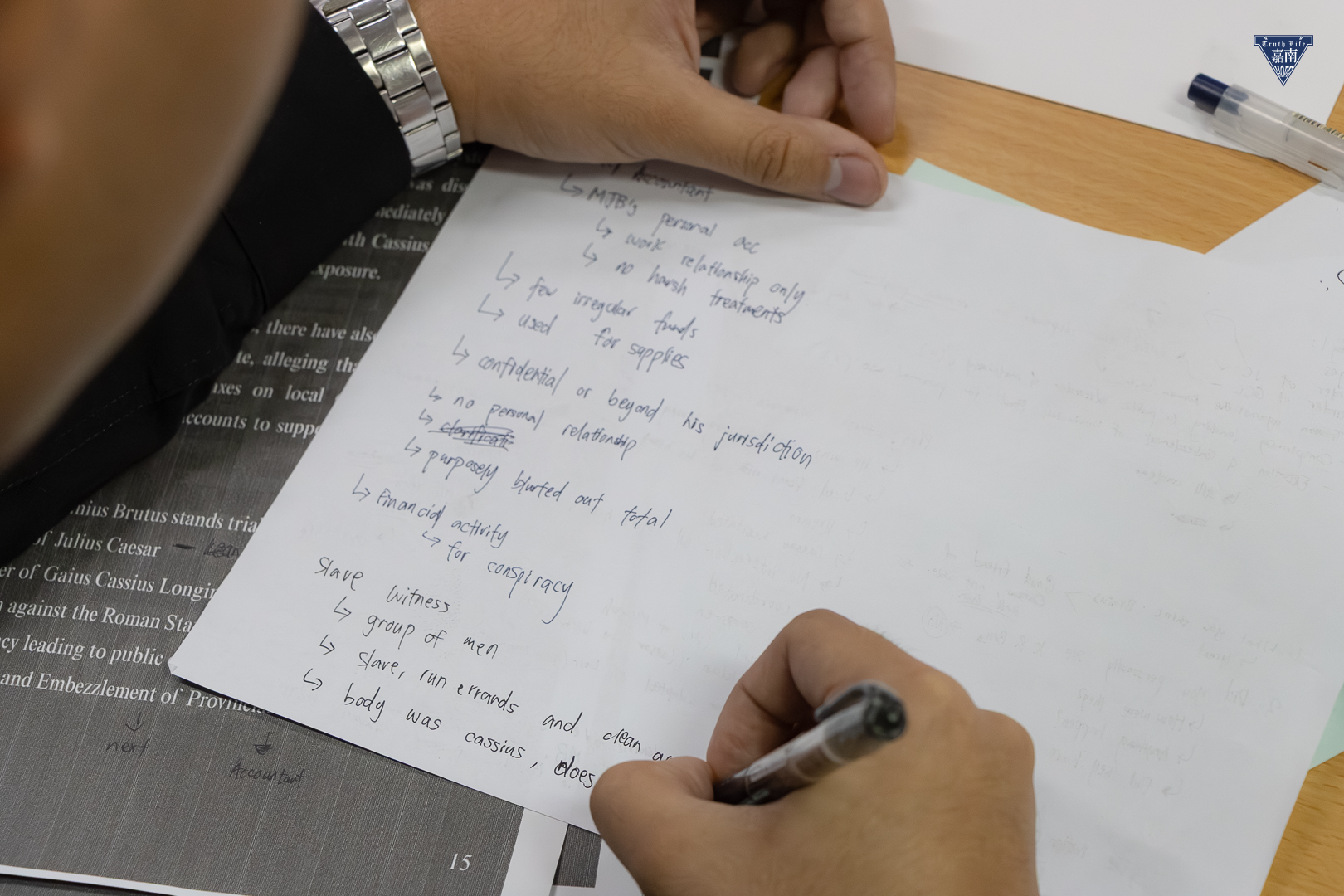
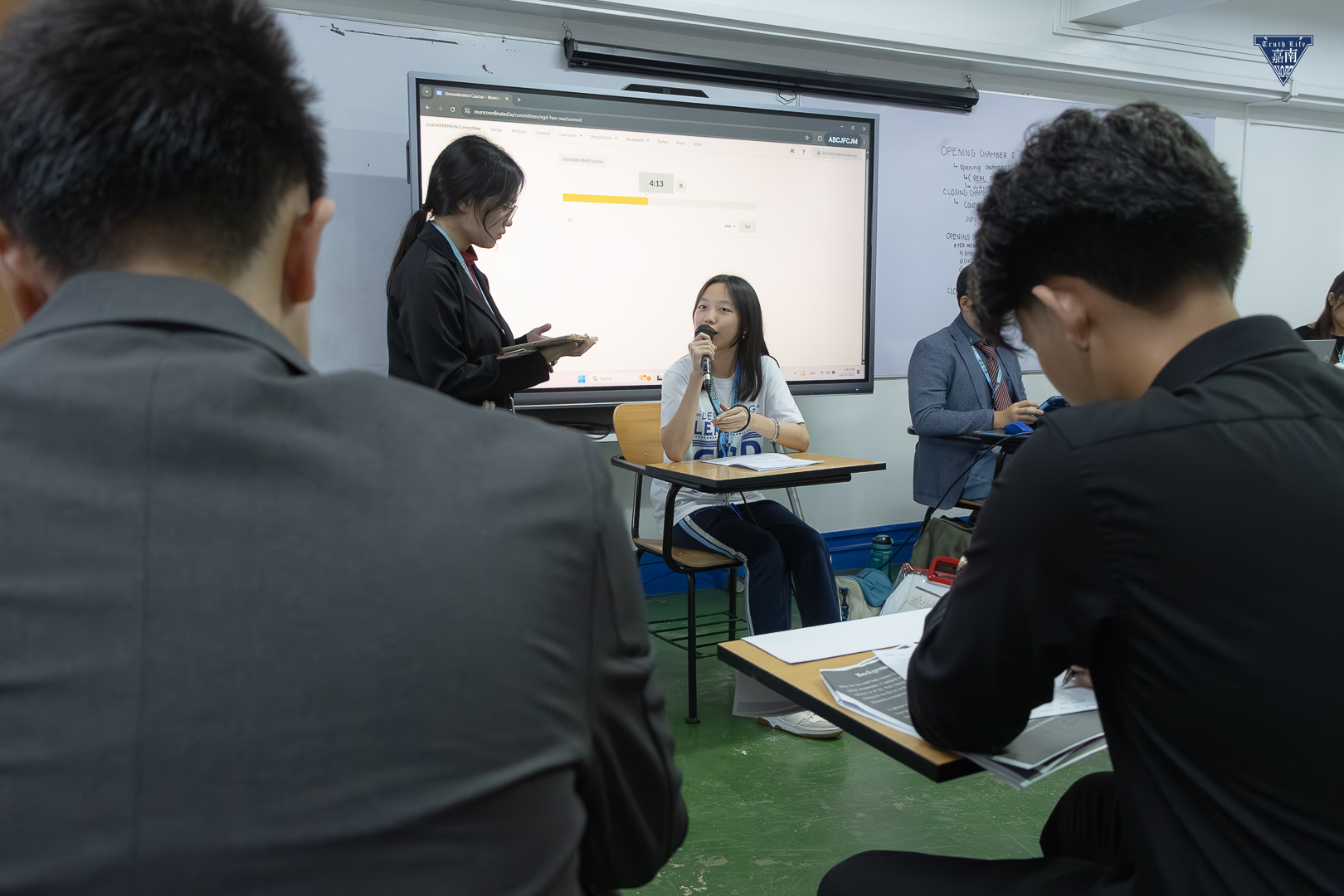
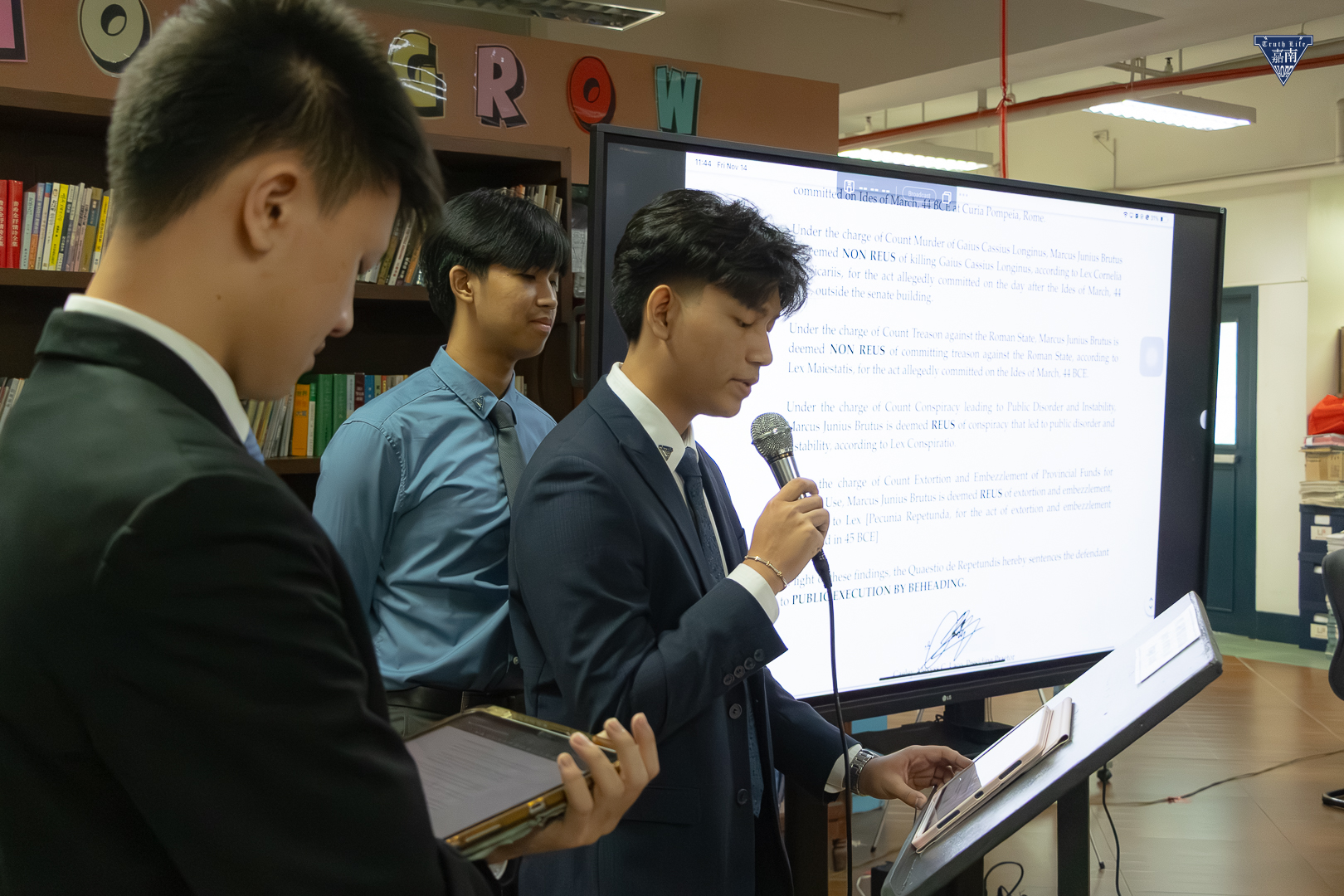
In UNDP, Grade 8 and 9 students discussed pressing issues on the democratic governance and development of countries. The delegates drafted resolutions to mitigate the impact of conflict and catalyze development in these countries. Grade 10 and select Grade 11 students represented the Commission on Appointments of the Philippines, and simulated the high-stakes confirmation of government officials during a political crisis. These senators and representatives convened on decisions that are determinative of the hypothetical Philippine government they created. On the other hand, the ICC is composed of senior high school students. They portrayed judges, defense counsels, prosecutors and witnesses situated in the ancient Republic of Rome. Blending historical context with modern diplomatic procedure, these court officials and participants reenacted the trial of Marcus Junius Brutus, who was charged with several crimes.
DAY 1
DAY 1
DAY 1
DAY 1
DAY 1
DAY 1
DAY 1
DAY 1
DAY 1
DAY 1
DAY 1
DAY 1
DAY 1
DAY 1
DAY 1
DAYS 2-3
DAYS 2-3
DAYS 2-3
DAYS 2-3
DAYS 2-3
DAYS 2-3
DAYS 2-3
DAYS 2-3
United Nations Development Program committee sessions
DAY 1
DAY 1
DAY 1
DAY 1
DAY 1
DAY 1
DAY 1
DAY 1
DAY 1
DAY 1
DAY 1
DAY 1
DAY 1
DAY 1
DAY 1
DAYS 2-3
DAYS 2-3
DAYS 2-3
DAYS 2-3
DAYS 2-3
DAYS 2-3
DAYS 2-3
DAYS 2-3
DAYS 2-3
DAYS 2-3
DAYS 2-3
DAYS 2-3
DAYS 2-3
DAYS 2-3
DAYS 2-3
Commission on Appointments committee sessions
DAY 1
DAY 1
DAY 1
DAY 1
DAY 1
DAY 1
DAY 1
DAY 1
DAY 1
DAY 1
DAY 1
DAY 1
DAY 1
DAY 1
DAY 1
DAY 1
DAYS 2-3
DAYS 2-3
DAYS 2-3
DAYS 2-3
DAYS 2-3
DAYS 2-3
DAYS 2-3
DAYS 2-3
DAYS 2-3
DAYS 2-3
International Criminal Court committee sessions
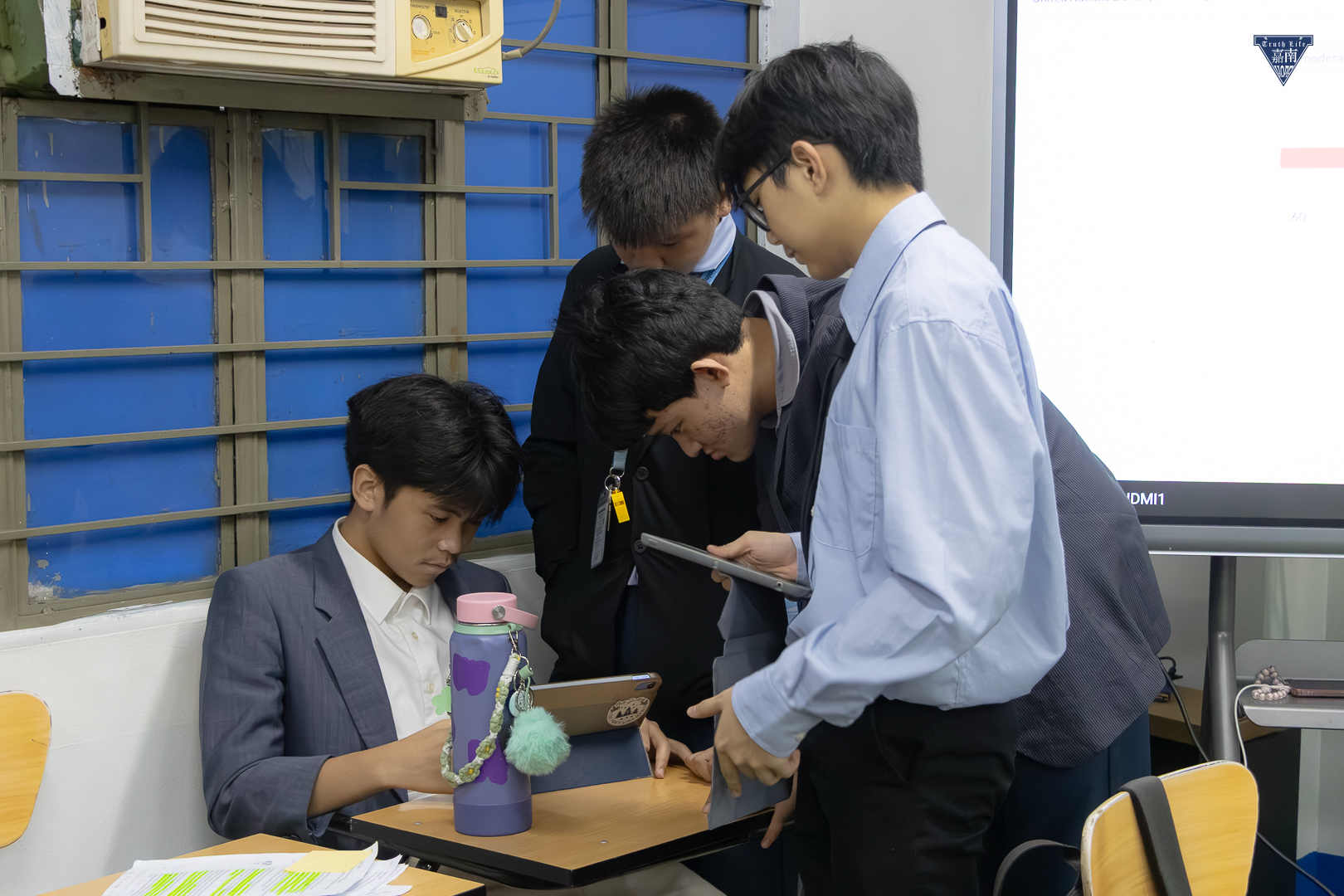
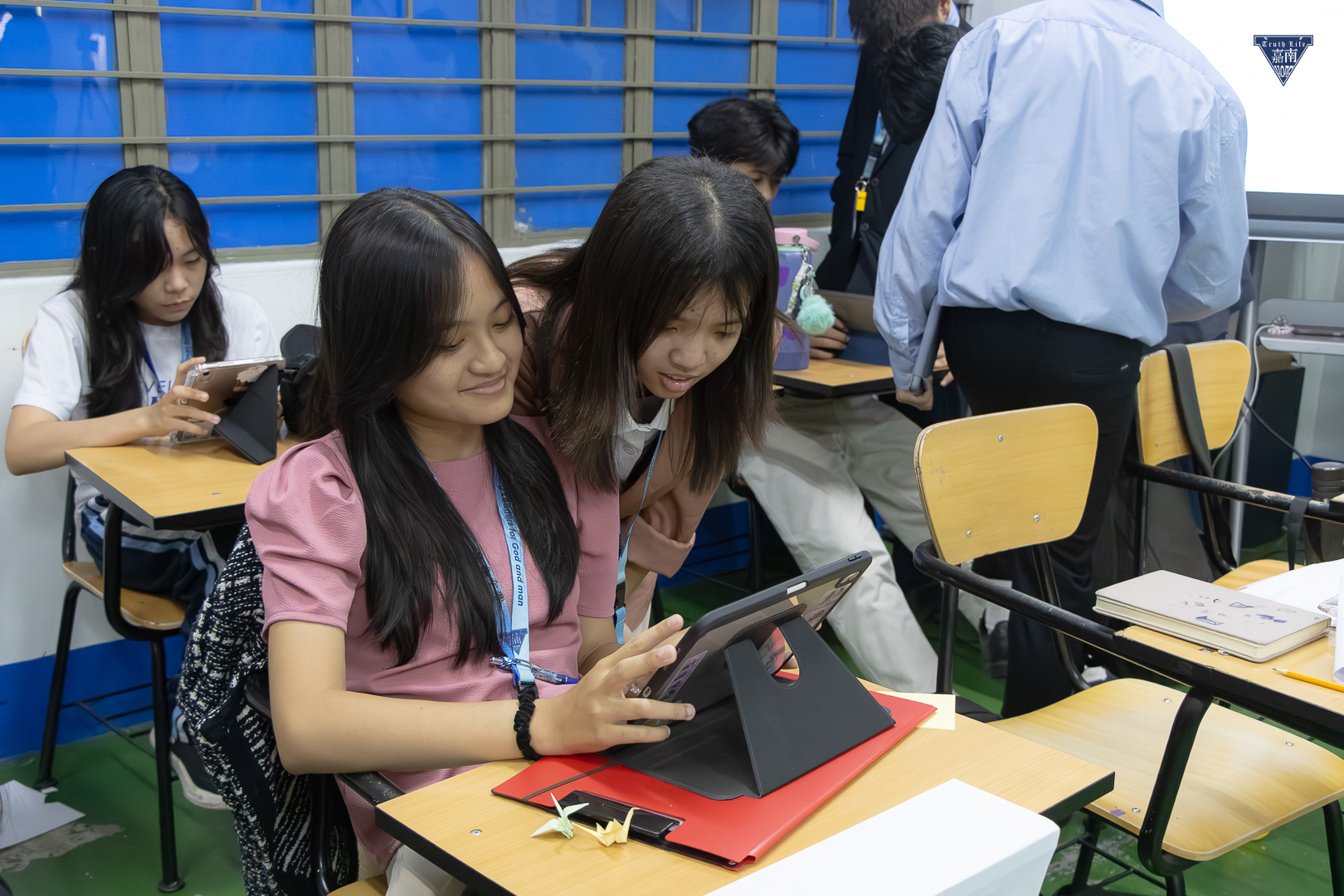
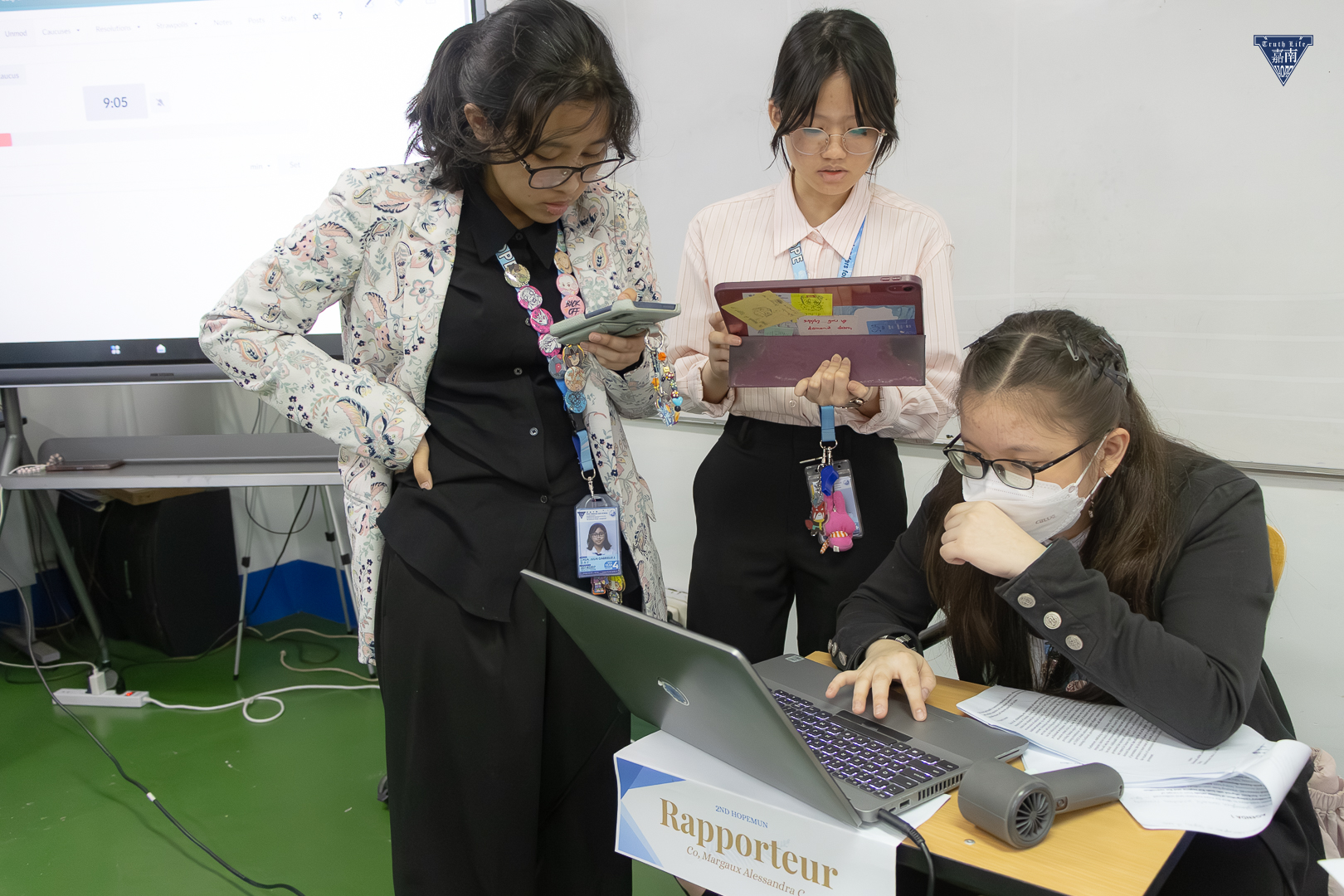
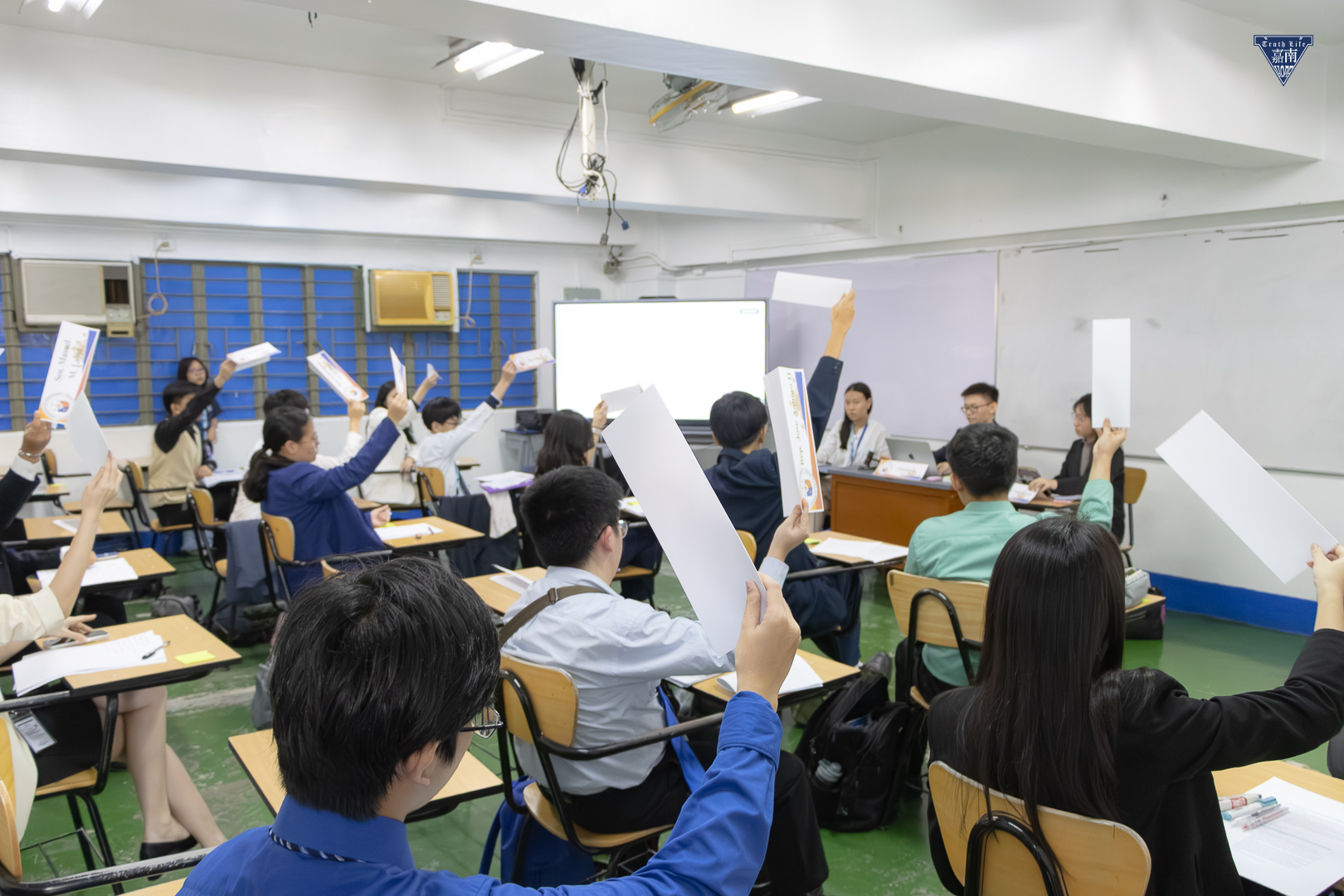
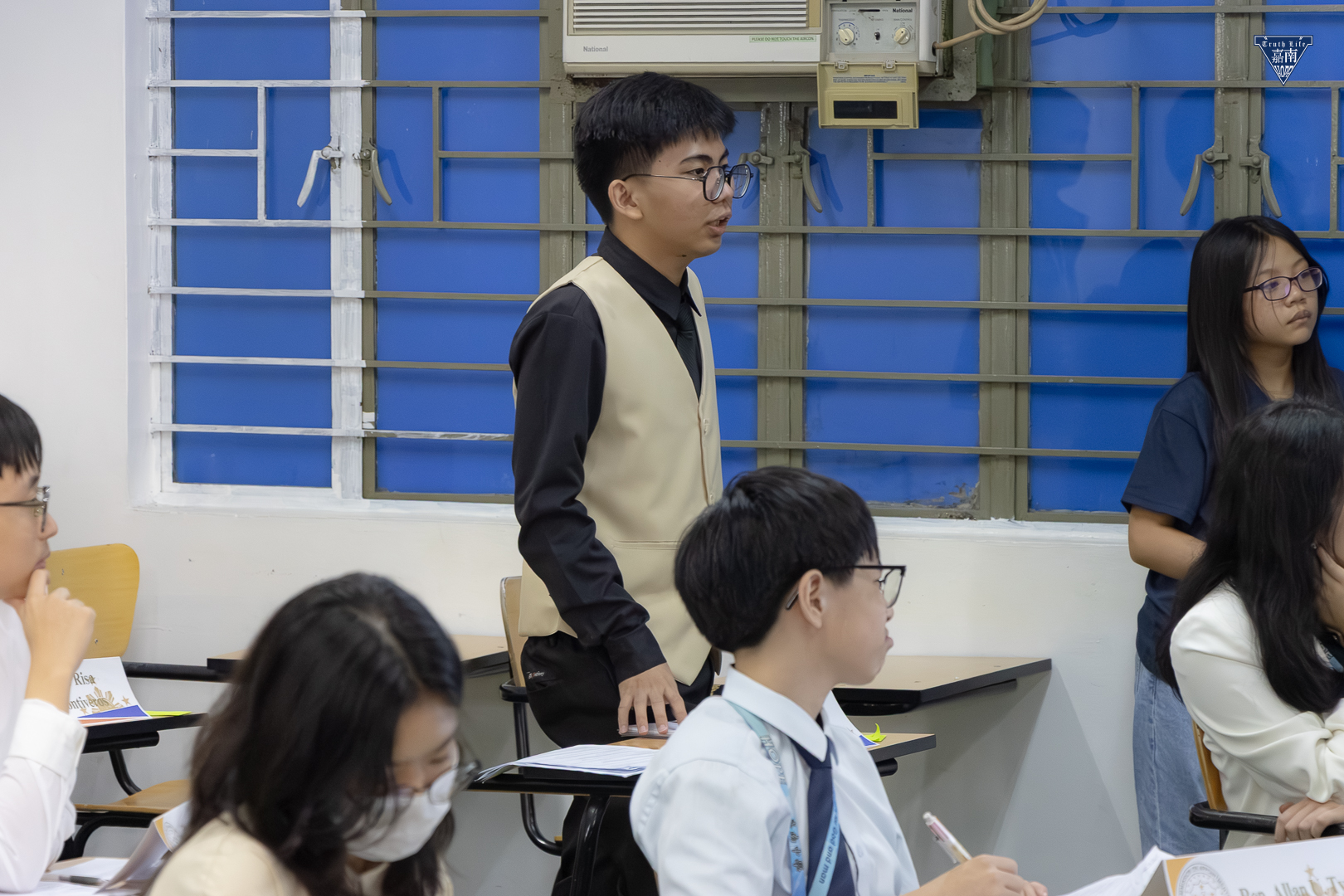
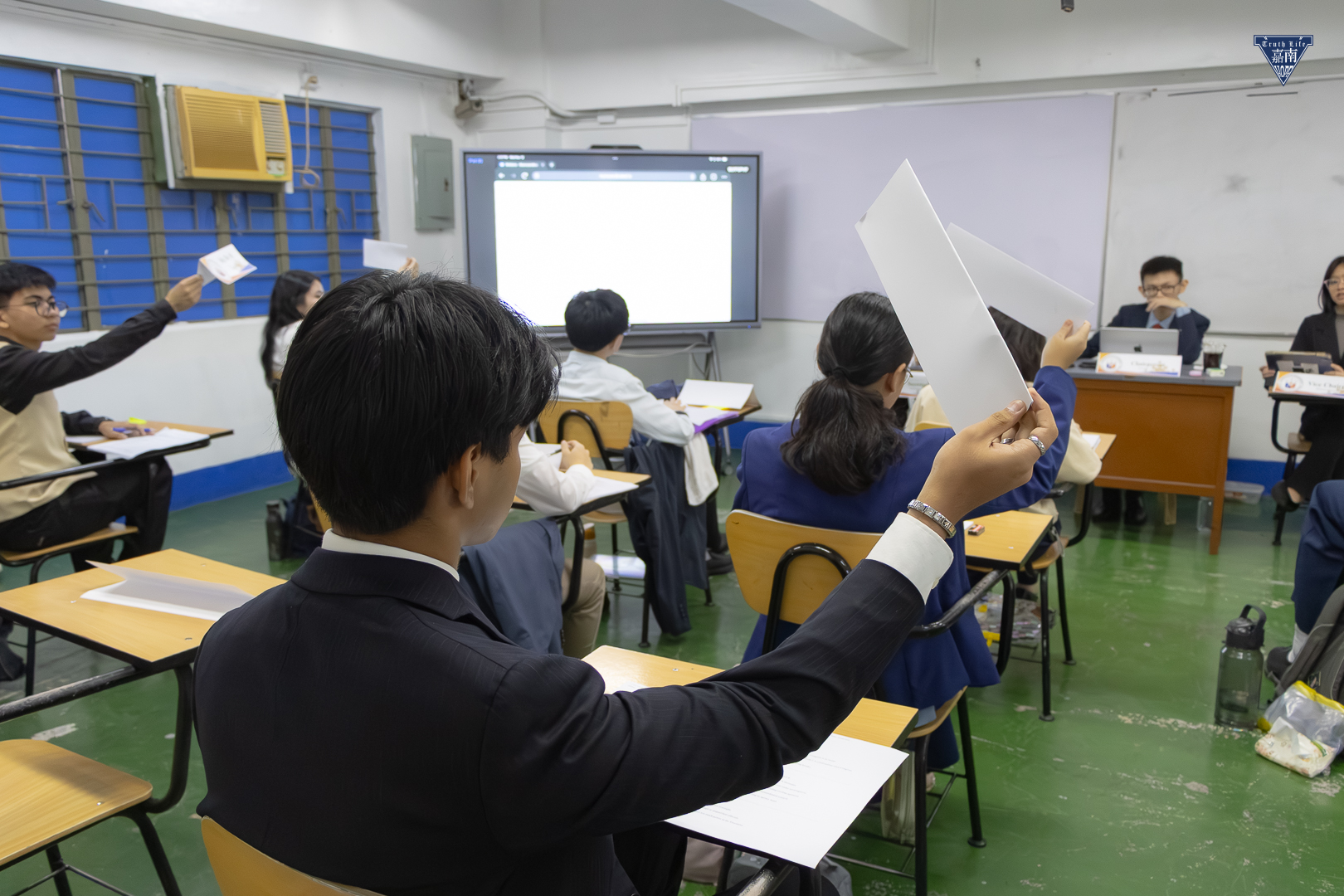
Overall, the committee sessions involved roll calls, formal debates, moderated and unmoderated caucuses, voting, cross-examinations, points of order, and deliberation.
Ratifying Results: Hope MUN Day 3
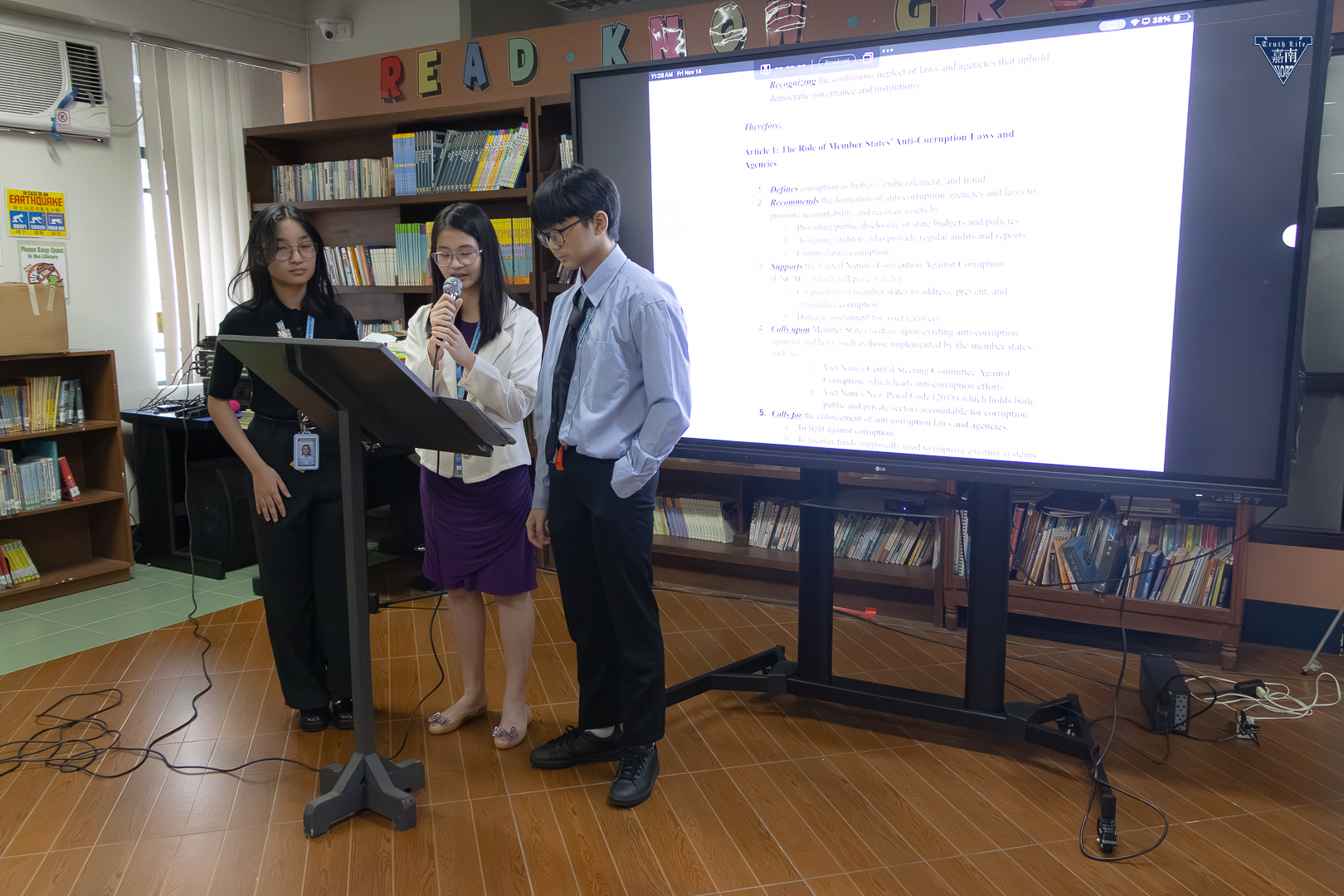
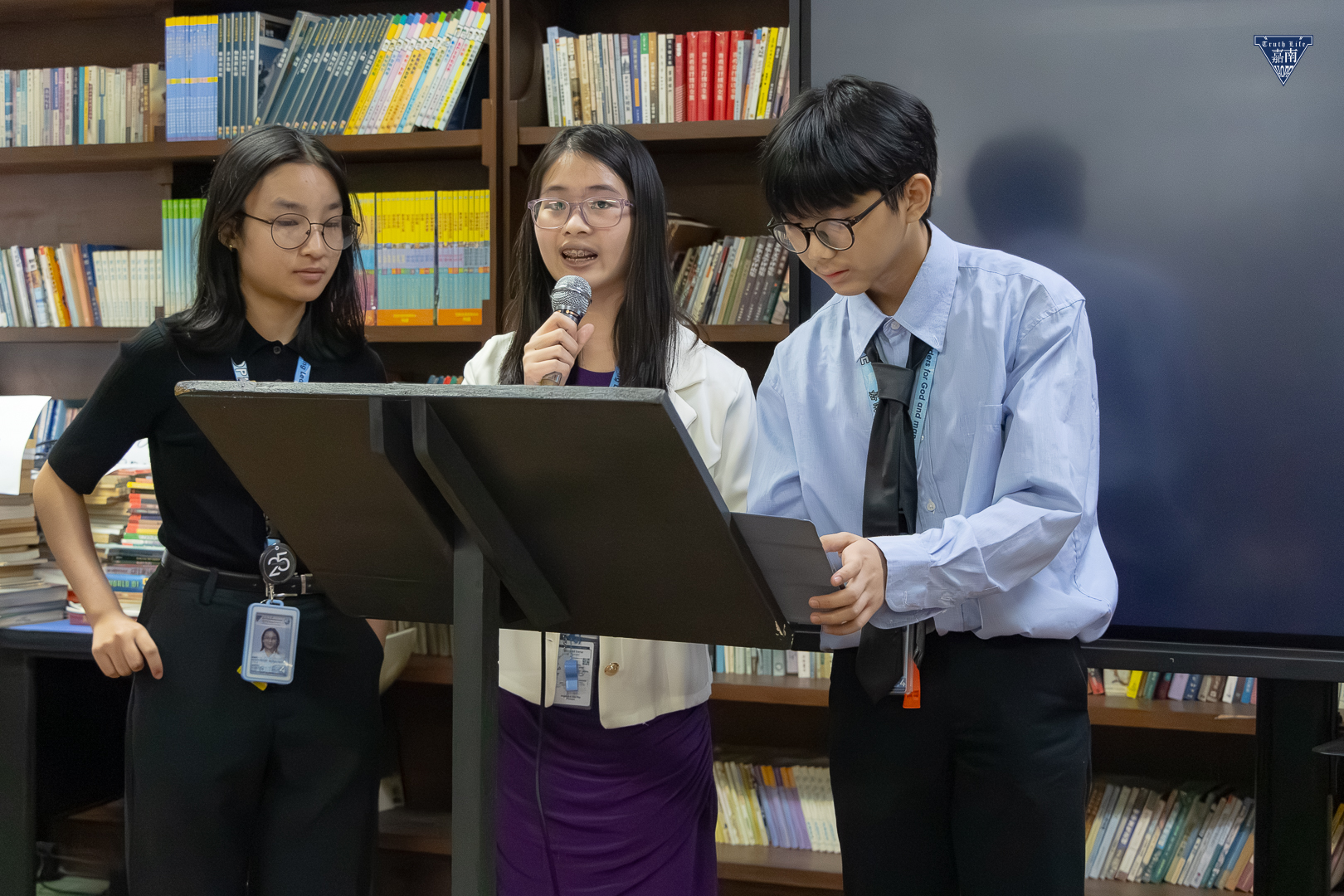
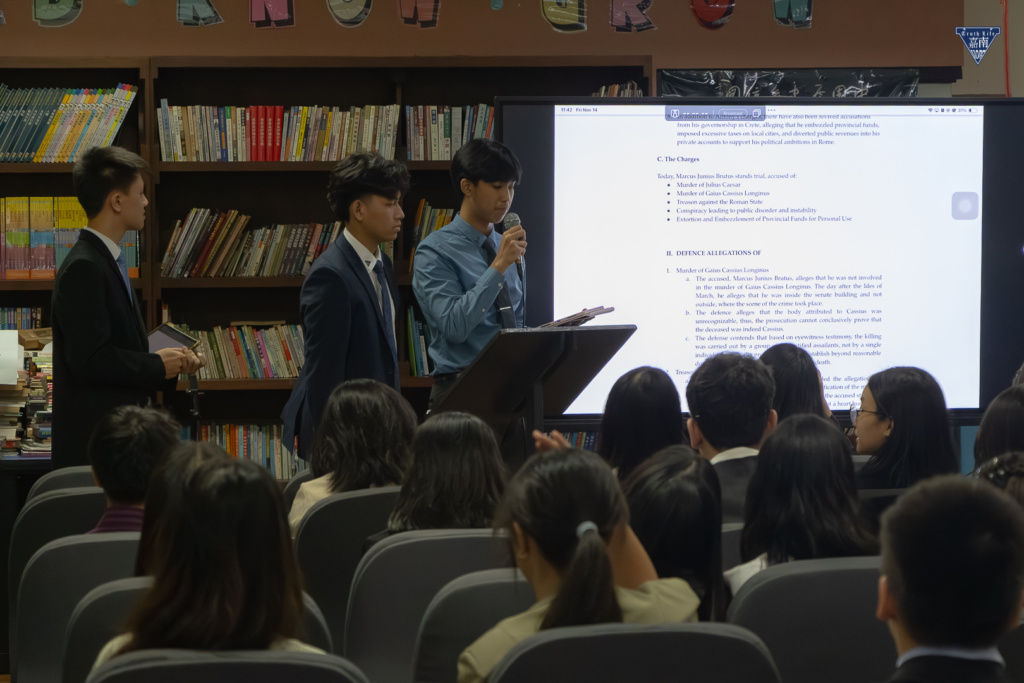
Hope MUN culminated with the final sessions of the committees and a closing ceremony. In the closing ceremony, each committee presented its approved resolutions and final verdicts. UNDP passed two resolutions that called for stronger democratic institutions by addressing corruption through anti-corruption laws and detailed public audits. The resolutions also championed capacity-building programs and active citizen participation through political education. Meanwhile, ICC’s verdict declared Marcus Junius Brutus guilty of several crimes, including the murder of Julius Caesar, and not guilty of other charges like treason. The trial simulation sentenced the defendant with gravity according to Roman laws. In a follow-up report, meanwhile, CA disclosed a mass uprising in Manila due to the political downfall. Government institutions in the hypothetical Philippines dissolved, resulting in a civil revolution.
Presentations of approved resolutions and final verdicts
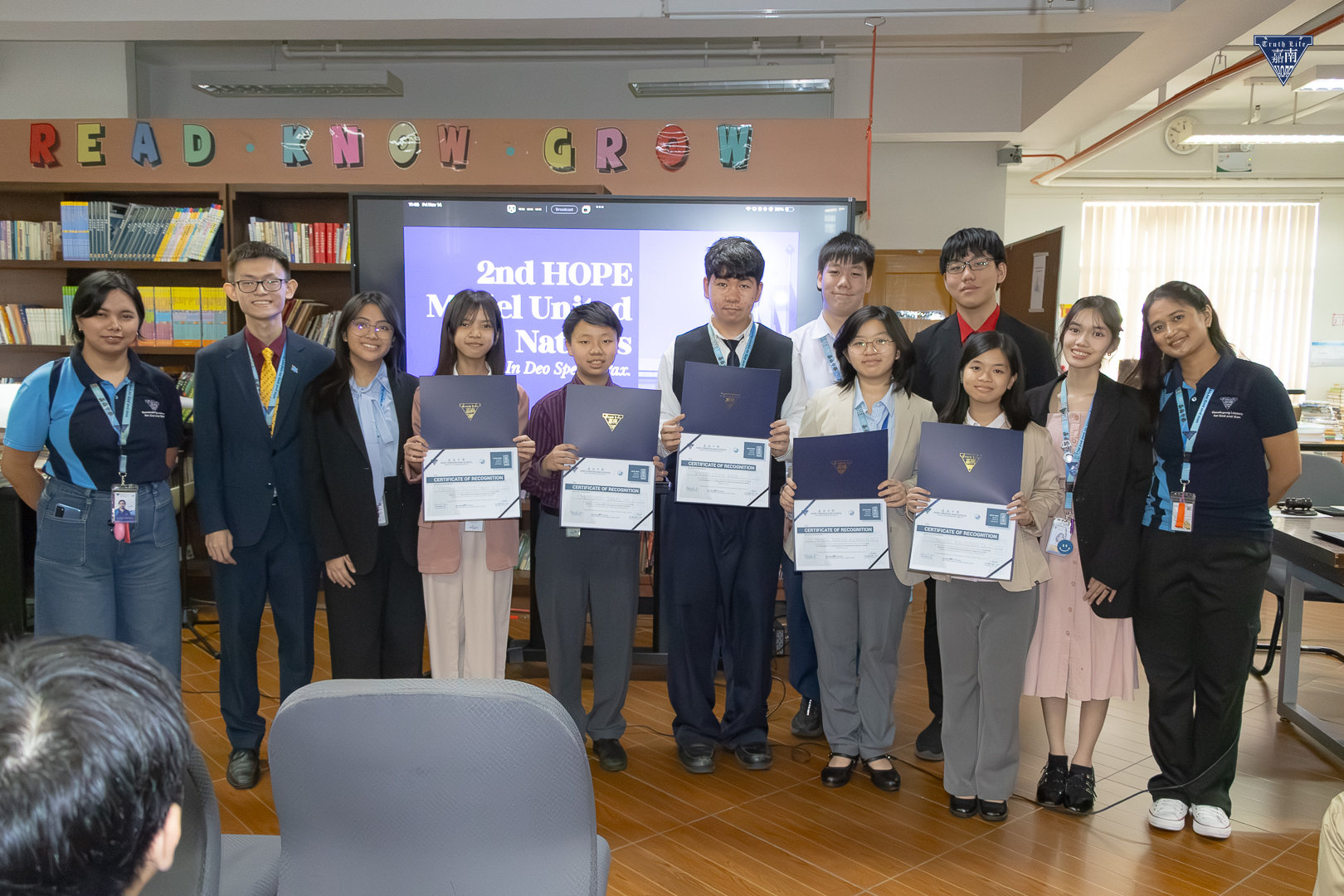
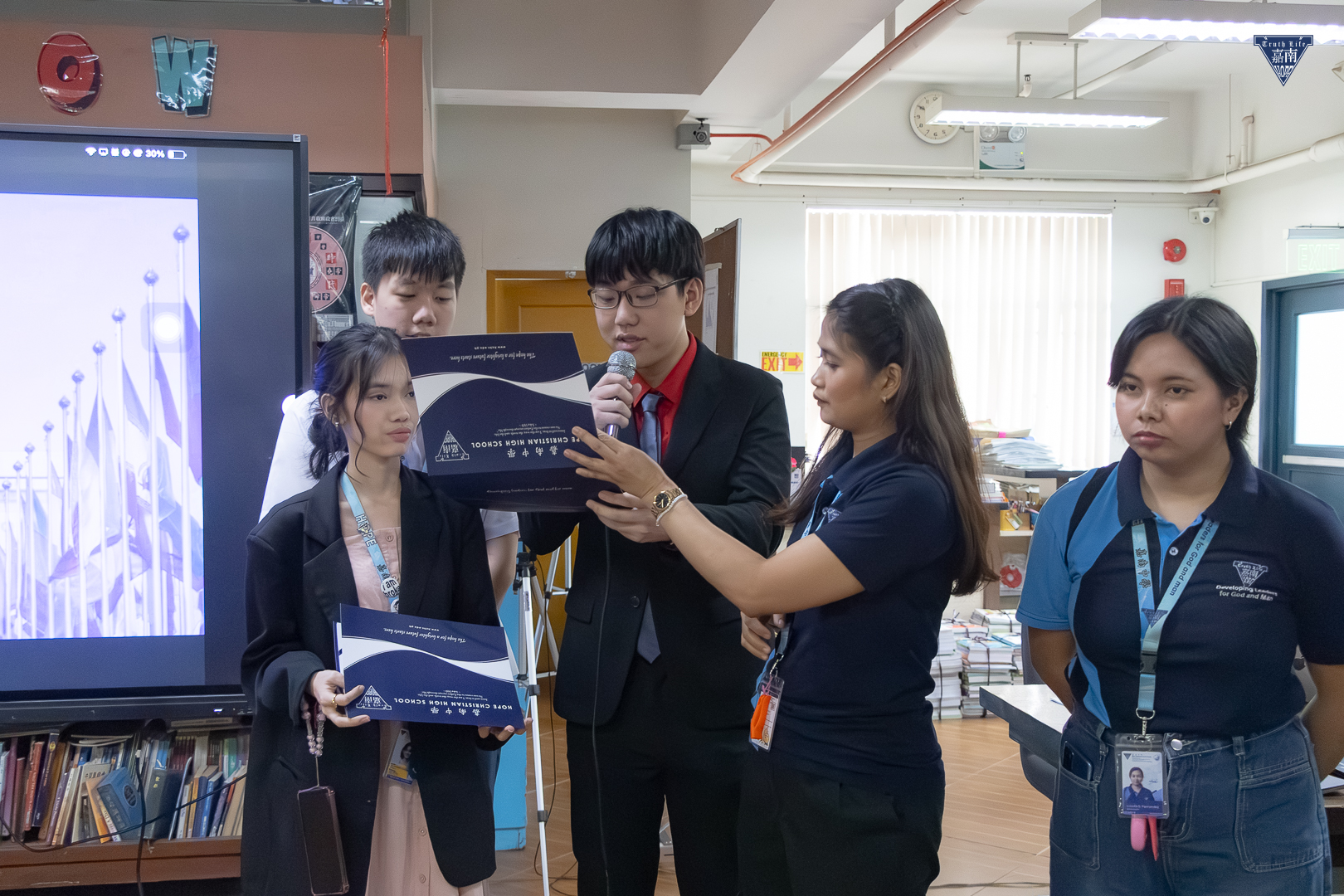
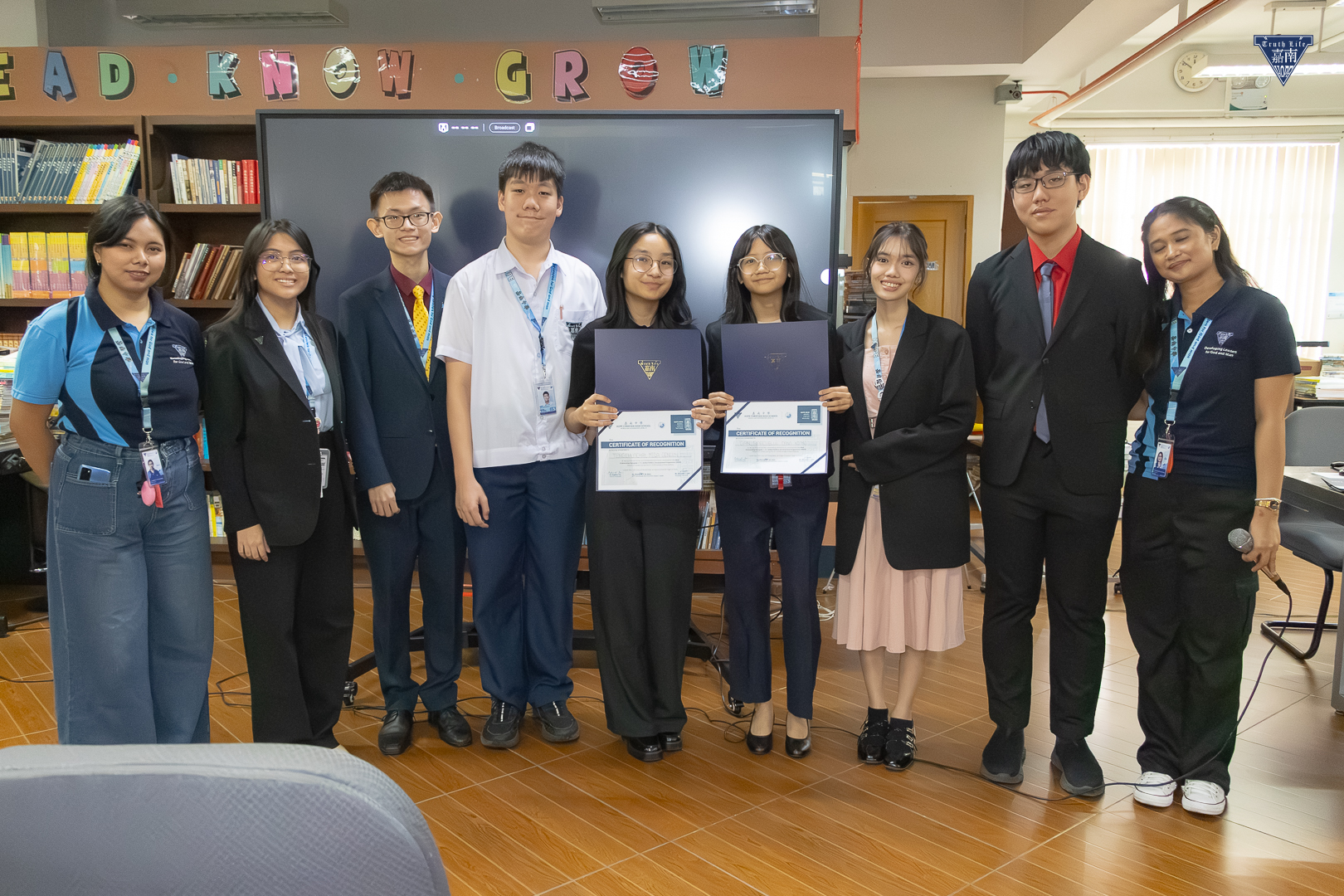
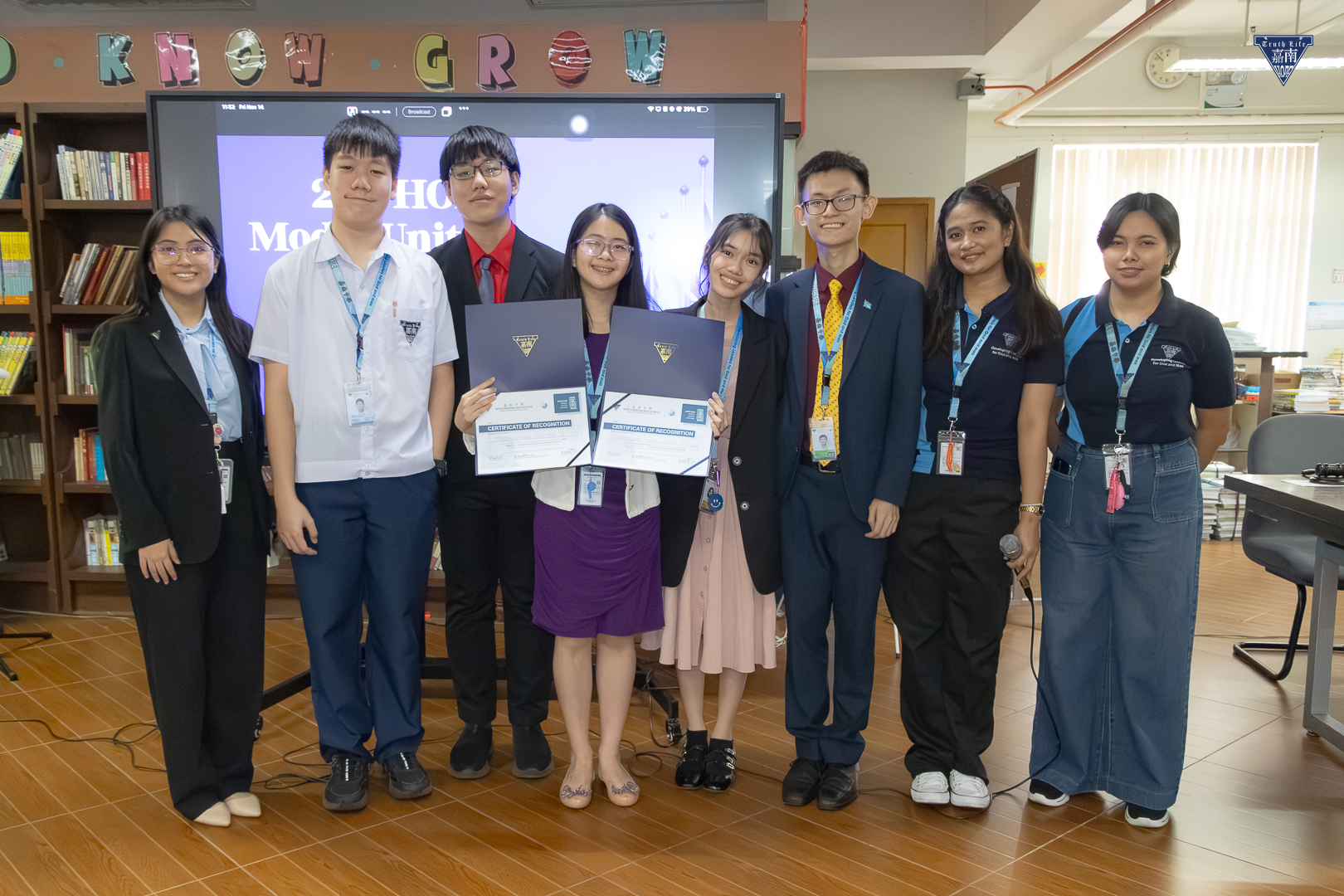
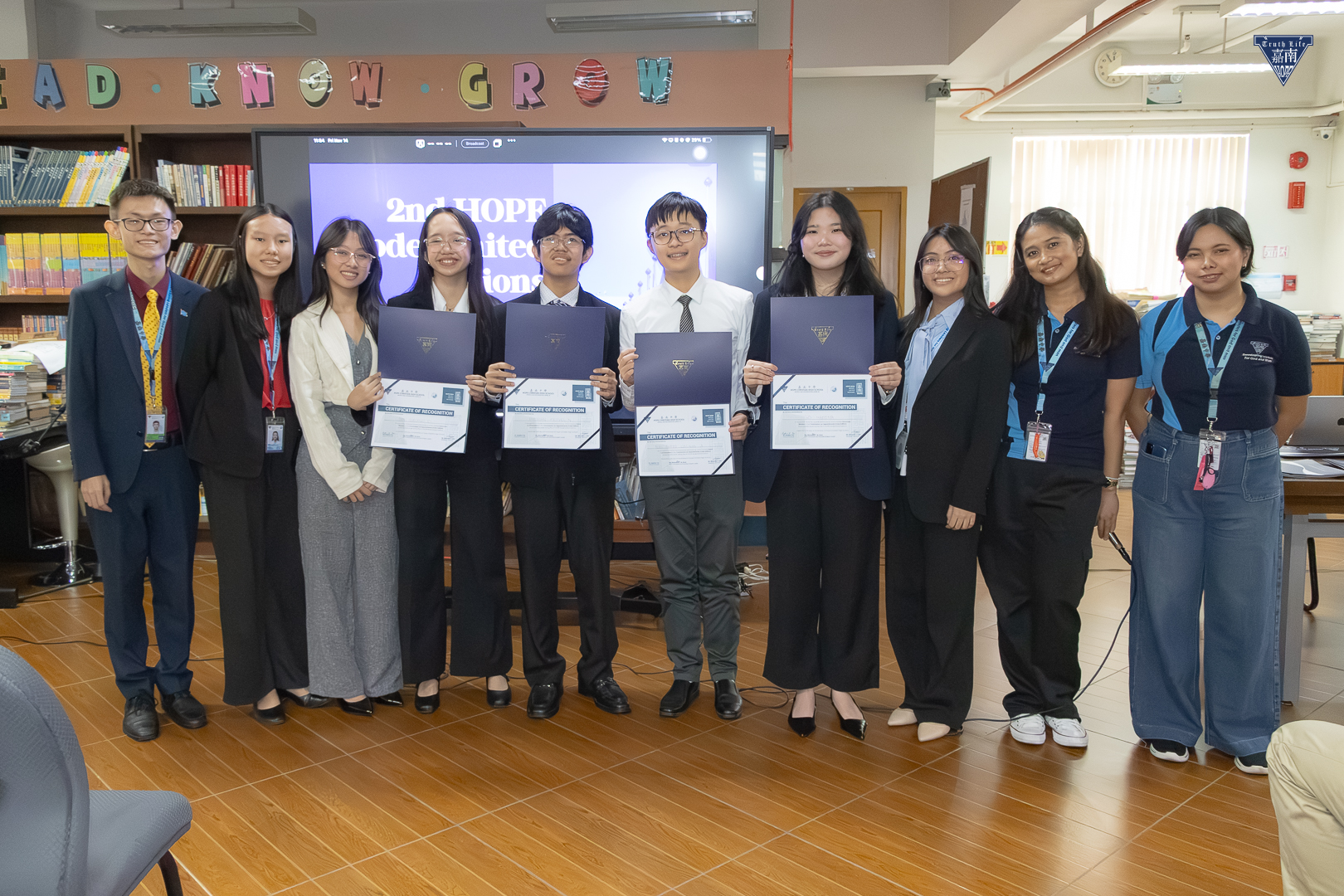
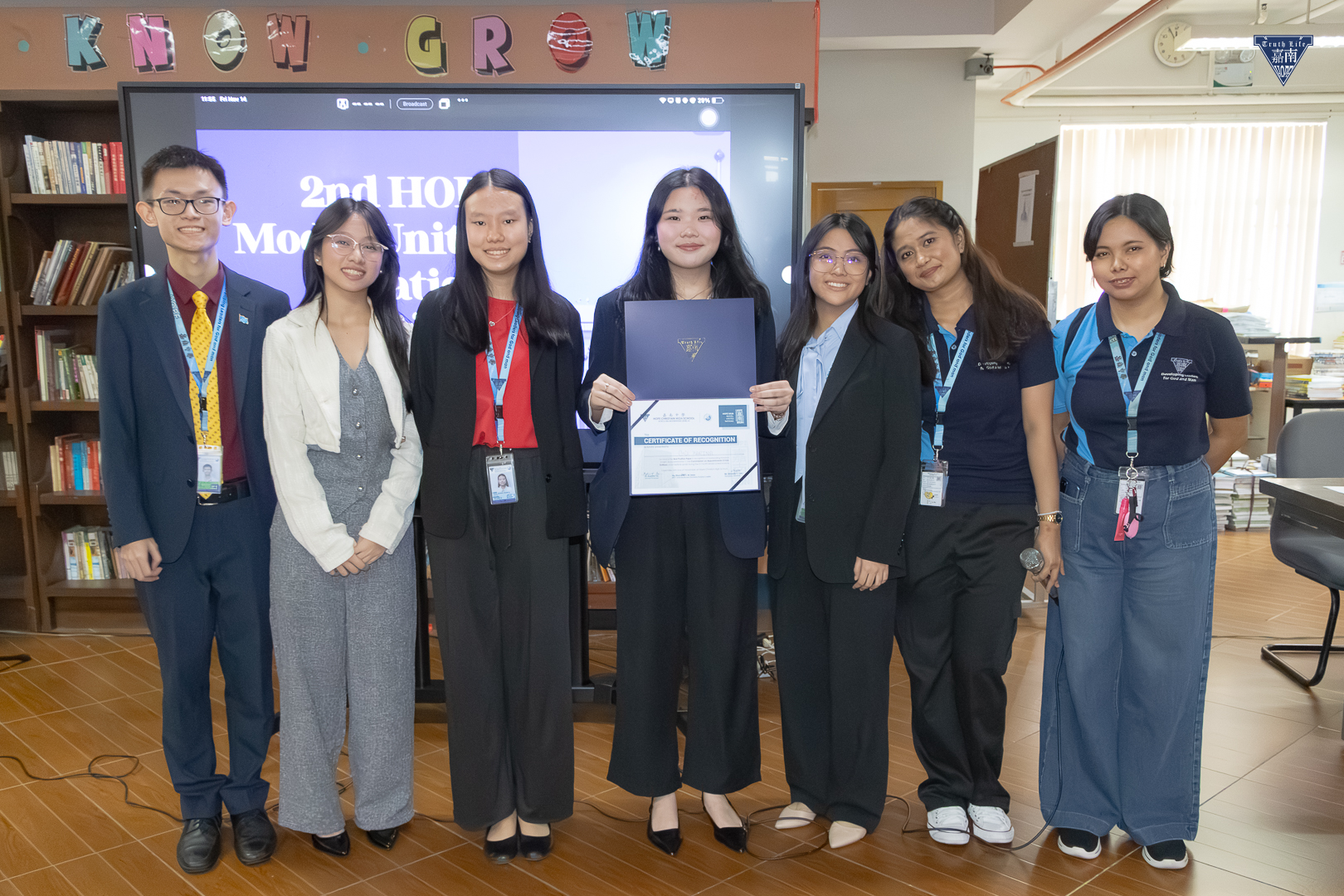
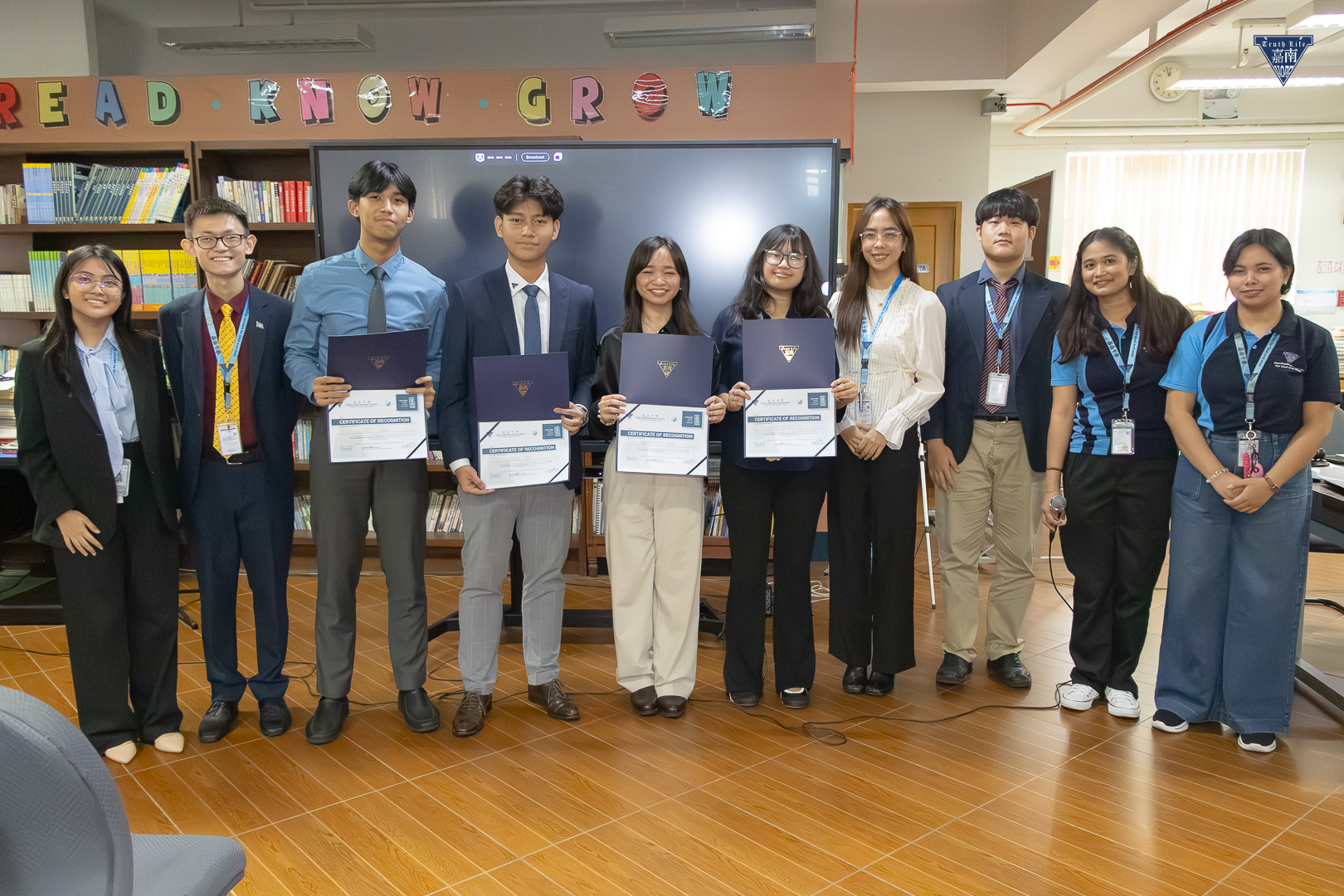
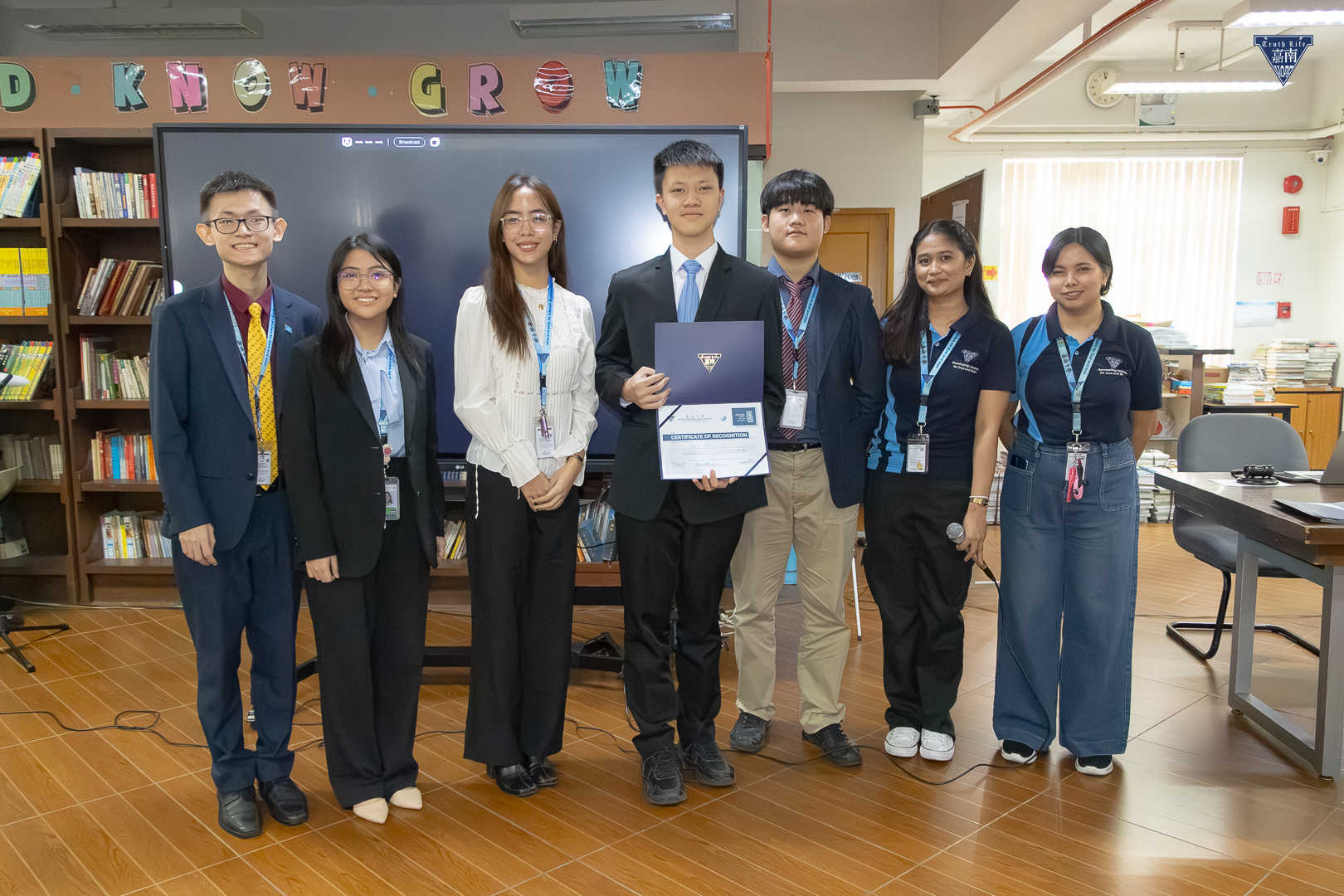
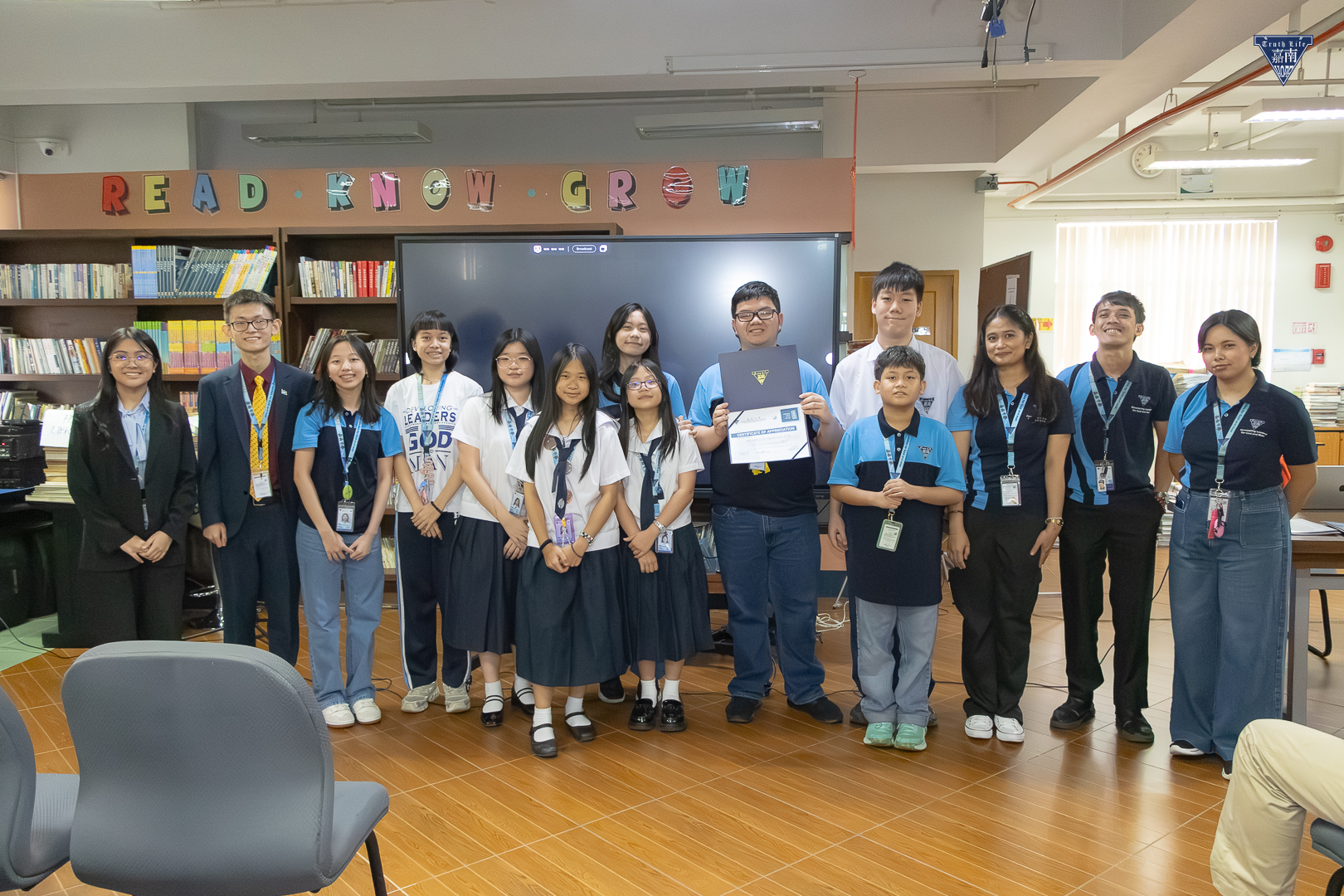
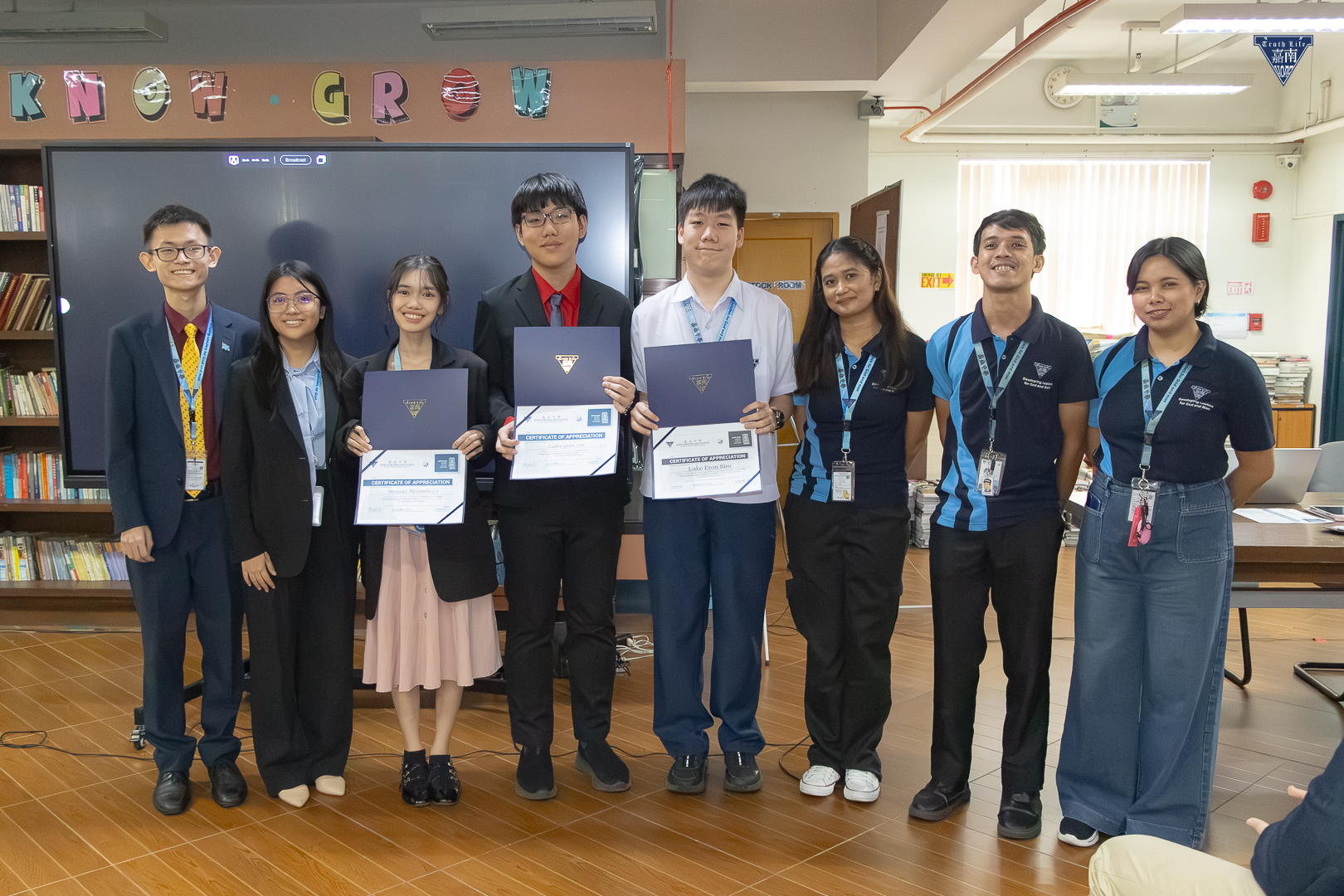
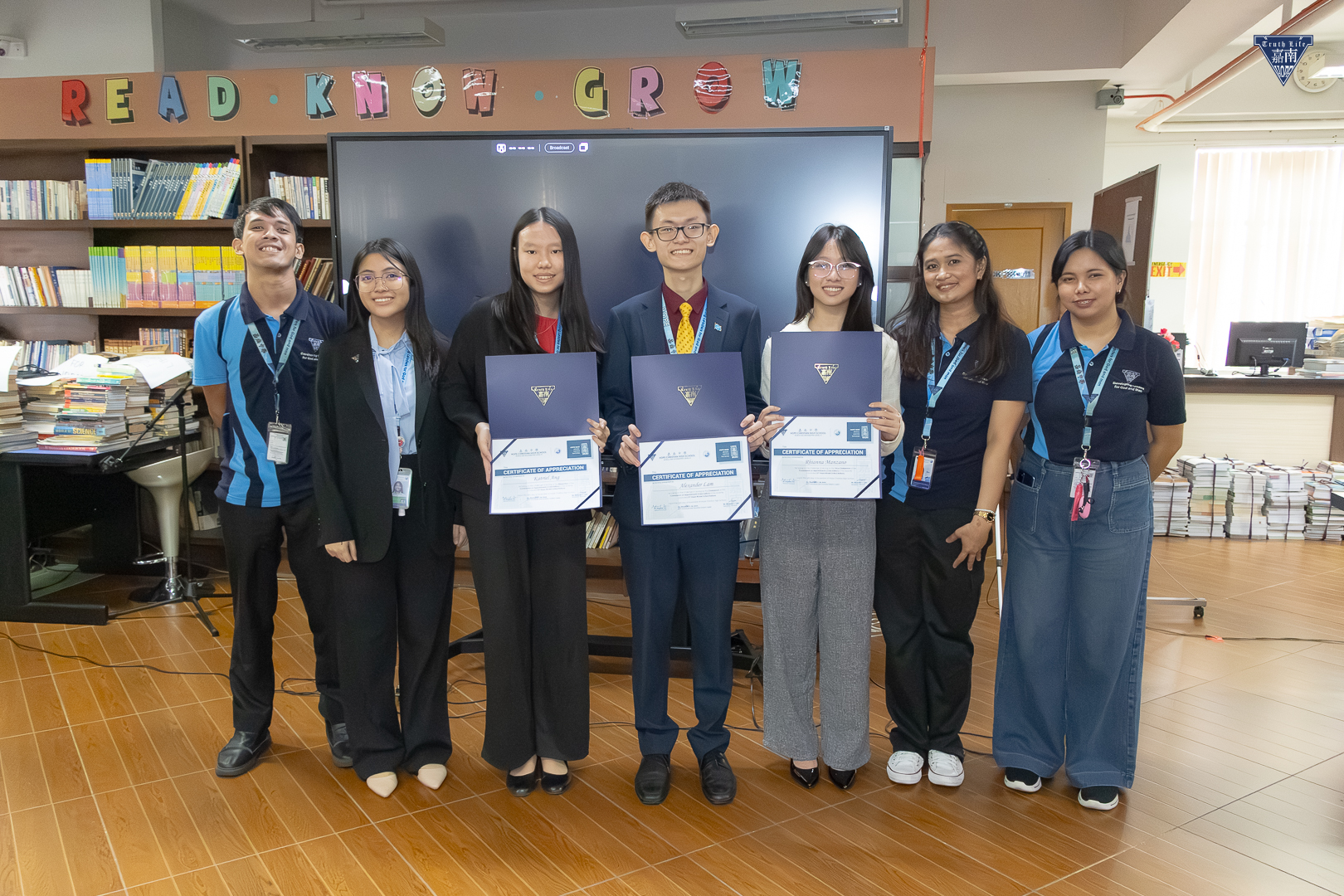
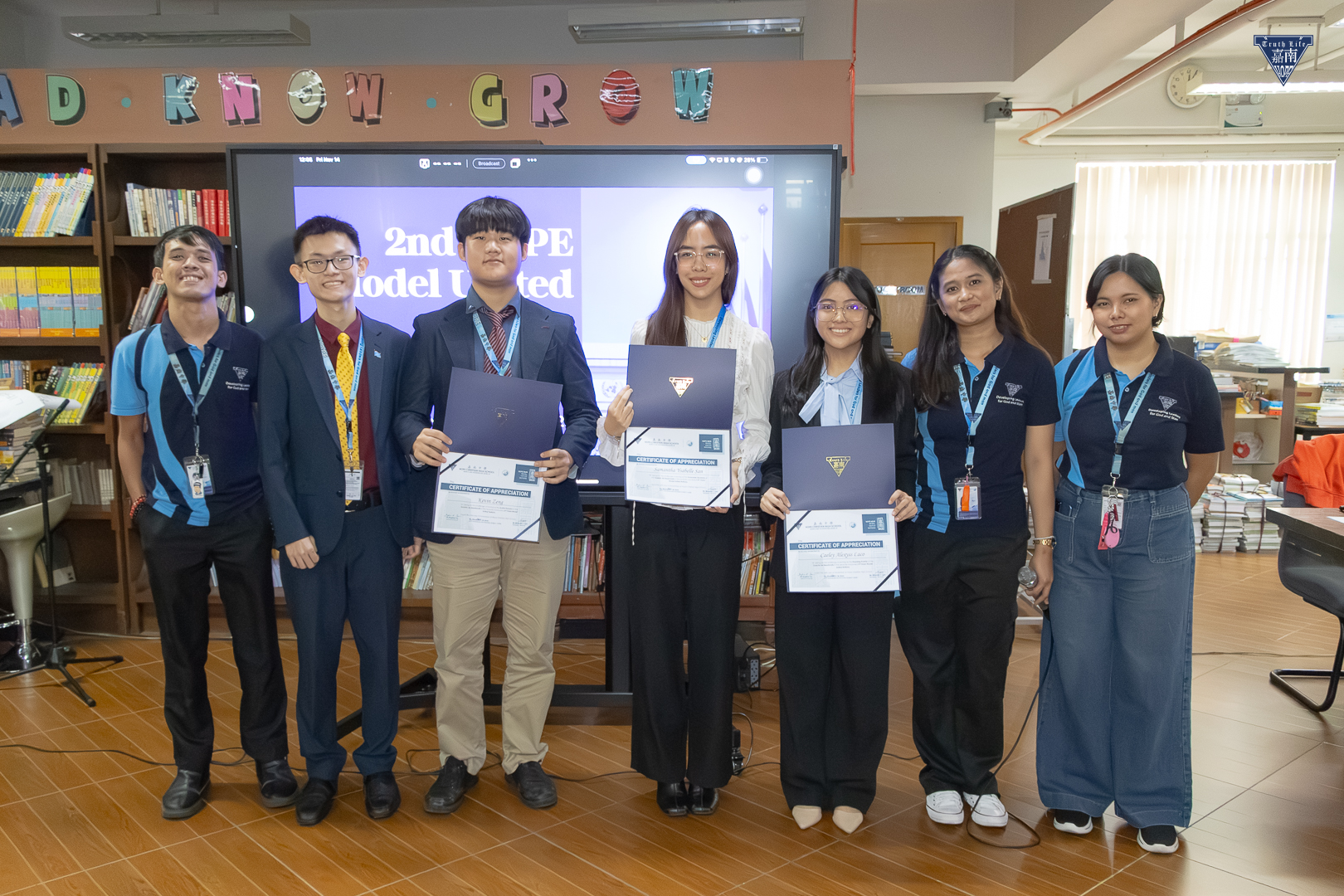
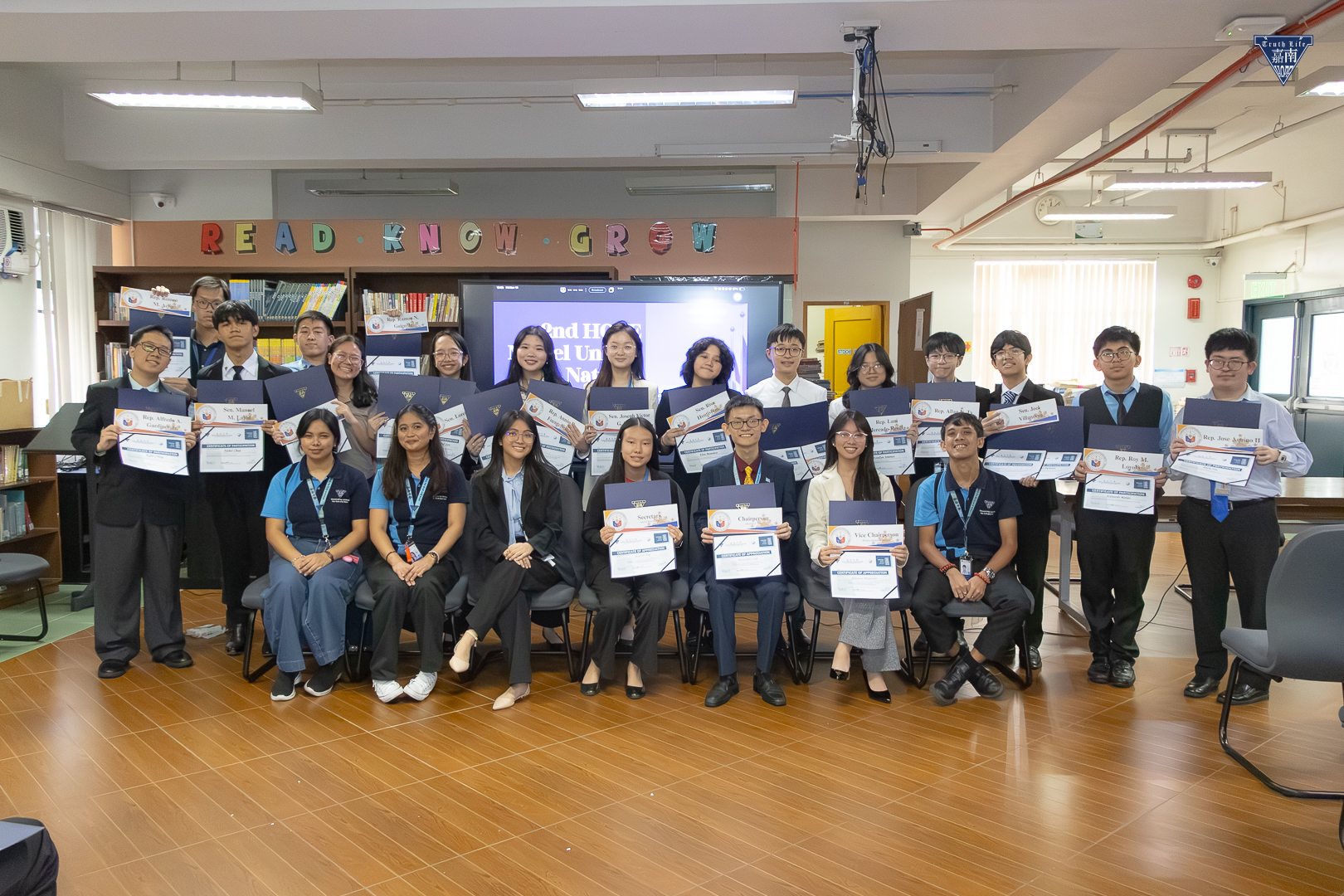
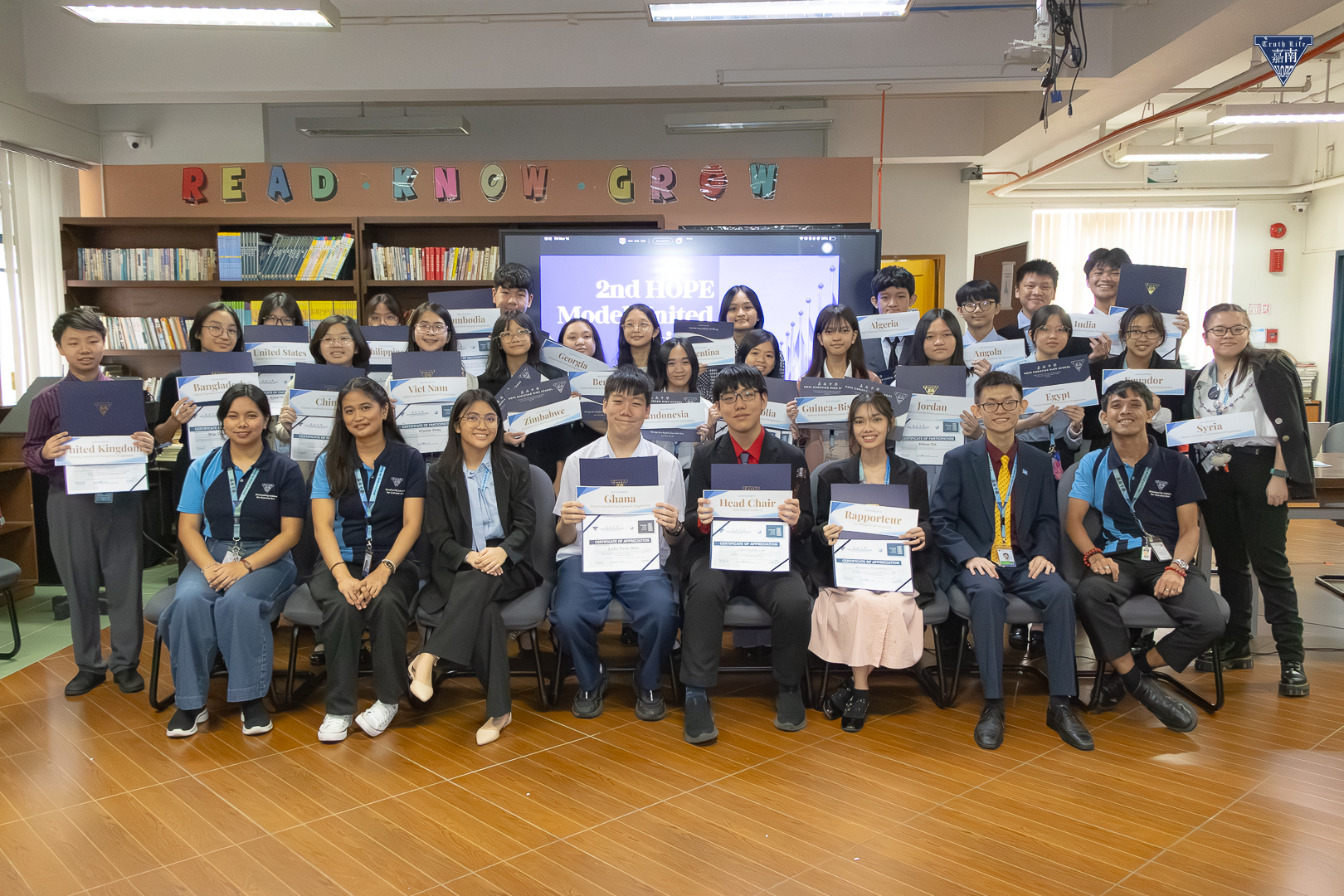
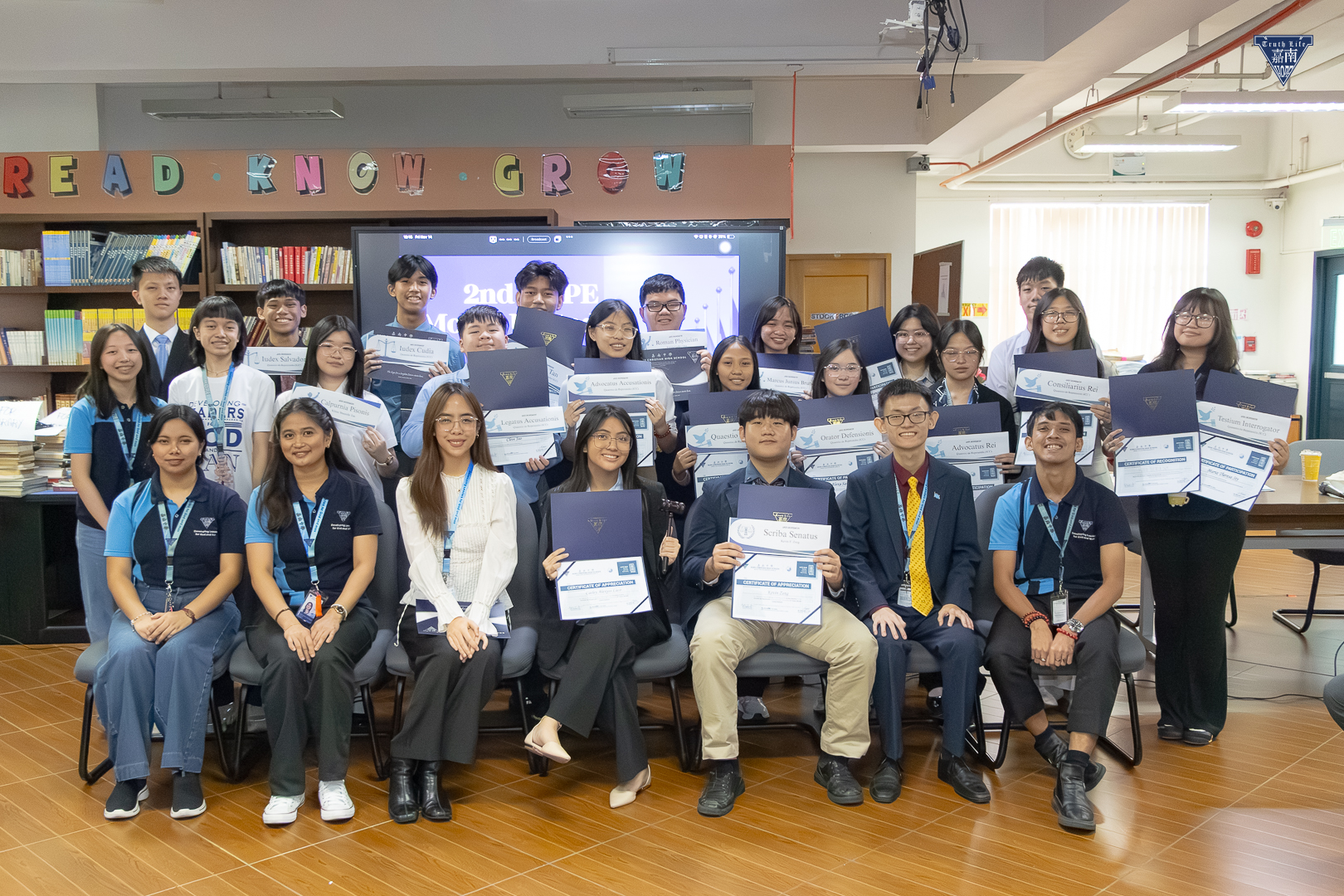
A mix of applause, amazement and shock resounded in the library as the delegates presented the result of their committee deliberations. This blend of reactions continued as the organizers of the Hope MUN began the awarding ceremony. Certificates of Verbal Commendation, Honorable Mention, Best Position Paper, and Most Outstanding Delegate were given to delegates whose effort and diplomatic prowess proved exemplary in each committee. Certificates of appreciation were also given to the board of dais and the Student Council Office (SCO) for their dedication to ensuring the success of the conference.
Hope MUN Awarding Ceremony
The conference closed with the heartfelt message of Deputy Secretary-General Caeley Laco. She expressed her gratitude to the organizers and participants of the Hope MUN and congratulated them on the successful conference filled with empathy, community, and courage. She also reminded the delegates that diplomacy does not end with the end of Hope MUN; its lessons of respect, kindness and critical thinking should extend into classrooms, communities and into the future.
Model United Nations is just a simulation, but it mirrors how real-world international organizations use diplomacy to discuss topics and amend policies that affect international and global communities. MUN illustrates how the collective decisions of a few diplomats and representatives impact the masses. As the Secretary-General hit the gavel for the last time, the end of the Hope MUN called for one thing: choose or better yet, be the diplomat that genuinely represents the people’s voices. Be good ambassadors of hope.
Secretary-General Lam officially closing the 2nd Hope MUN